
Opinion|Videos|November 18, 2026
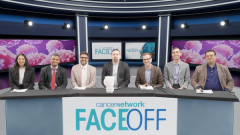
Comparing CELMoD Treatment Strategies in Relapsed/Refractory Multiple Myeloma
The faculty discuss how to contextualize the findings from SUCCESSOR-2 and EXCALIBER-RRMM when considering treatment options for patients with relapsed/refractory multiple myeloma.
Advertisement
Episodes in this series
The faculty discuss how to contextualize the findings from SUCCESSOR-2 and EXCALIBER-RRMM when considering treatment options for patients with relapsed/refractory multiple myeloma. They highlight the differences in trial populations, noting that SUCCESSOR-2 included a more heavily pretreated population with substantial anti-CD38-refractory disease, whereas EXCALIBER-RRMM primarily evaluated patients with one or two prior lines of therapy and limited prior anti-CD38 exposure. The panel considers how mezigdomide- and iberdomide-based regimens may address different clinical needs, depending on prior treatment, disease characteristics, and the intensity of therapy required. Faculty also compare these approaches with T-cell-redirecting therapies, discussing treatment logistics, toxicity, and the potential impact on quality of life. Safety considerations include neutropenia, infection risk, and thromboembolic events, with panelists noting that familiarity with immunomodulatory drugs may help clinicians manage some of these risks. The discussion emphasizes the need to evaluate efficacy and safety in the context of each patient's circumstances and to consider how CELMoD-based regimens may fit into treatment sequencing in both academic and community practice.
Advertisement
Related to this article

At the 2026 Chemotherapy Foundation Symposium, Ajai Chari, MD, explained how disease pace and BCMA sequencing guide choosing CAR T or bispecifics.

In the phase 1/2 TRANSCEND CLL 004 trial, liso-cel plus ibrutinib produced a 45% CR/CRi rate in a heavily pretreated relapsed/refractory CLL/SLL population.

The FDA has assigned a target action date of June 28, 2027, for selinexor plus ruxolitinib as a therapeutic regimen for patients with myelofibrosis.

In the phase 2 TRAP trial, the median PFS after SBRT was 3.0 months with detectable ctDNA vs 7.8 months without it in oligoprogressive CRPC.
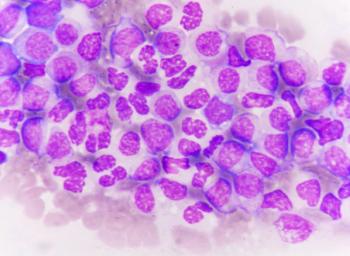
In the pivotal phase 3 REGAL trial, galinpepimut-S was generally well tolerated among patients with acute myeloid leukemia.
Amir T. Fathi, MD, discusses where venetoclax/azacitidine fits in fit patients with AML and why a phase 3 trial may be unlikely.
Data from the phase 1/2 ALKOVE-1 trial support the FDA approval of neladalkib in this non–small cell lung cancer population.

After an FDA Type C meeting, registrational trials of the DLL3-targeting ADC IDE849 in pretreated neuroendocrine carcinomas are set to begin by year-end.
Advertisement
Advertisement
Trending on CancerNetwork
1
FDA Approves Neladalkib in Advanced ALK+ Non–Small Cell Lung Cancer
2
Lung Cancer Survival Rate Climbs to 31%, Although Screening Gaps Persist
3
Selecting Patients With High-Risk Prostate Cancer for Perioperative ARPI Therapy
4
64Cu-SAR-bisPSMA Earns FDA Breakthrough Designation in Recurrent Prostate Cancer
5