

Opinion|Videos|November 18, 2026
Interpreting MRD-Negative Responses in Relapsed/Refractory Multiple Myeloma
The faculty discuss the clinical significance of MRD-negative complete responses observed in the EXCALIBER-RRMM study of iberdomide, daratumumab, and dexamethasone in relapsed/refractory multiple myeloma.
Advertisement
Episodes in this series
The faculty discuss the clinical significance of MRD-negative complete responses observed in the EXCALIBER-RRMM study of iberdomide, daratumumab, and dexamethasone in relapsed/refractory multiple myeloma. The panel considers the difference in MRD-negative CR rates between the investigational regimen and the comparator, discussing how response depth may inform the interpretation of clinical activity. Faculty emphasize that MRD negativity is associated with improved outcomes, while acknowledging the need for longer follow-up to determine whether the observed responses translate into durable MRD negativity and improved progression-free survival. The discussion also explores how clinicians should assess whether a new regimen offers sufficient benefit within an increasingly broad treatment landscape that includes CAR T-cell therapies and bispecific antibodies. Panelists consider the value of having treatment options with different mechanisms of action and the importance of sequencing therapies to maximize benefit over the course of the disease. They also highlight that EXCALIBER-RRMM primarily studied patients with one or two prior lines of therapy and limited prior anti-CD38 exposure, leaving questions about how these findings apply to more heavily pretreated populations.
Advertisement
Related to this article

At the 2026 Chemotherapy Foundation Symposium, Ajai Chari, MD, explained how disease pace and BCMA sequencing guide choosing CAR T or bispecifics.

In the phase 1/2 TRANSCEND CLL 004 trial, liso-cel plus ibrutinib produced a 45% CR/CRi rate in a heavily pretreated relapsed/refractory CLL/SLL population.

The FDA has assigned a target action date of June 28, 2027, for selinexor plus ruxolitinib as a therapeutic regimen for patients with myelofibrosis.

In the phase 2 TRAP trial, the median PFS after SBRT was 3.0 months with detectable ctDNA vs 7.8 months without it in oligoprogressive CRPC.
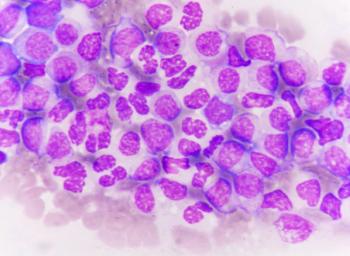
In the pivotal phase 3 REGAL trial, galinpepimut-S was generally well tolerated among patients with acute myeloid leukemia.
Amir T. Fathi, MD, discusses where venetoclax/azacitidine fits in fit patients with AML and why a phase 3 trial may be unlikely.
Data from the phase 1/2 ALKOVE-1 trial support the FDA approval of neladalkib in this non–small cell lung cancer population.

After an FDA Type C meeting, registrational trials of the DLL3-targeting ADC IDE849 in pretreated neuroendocrine carcinomas are set to begin by year-end.
Advertisement
Advertisement
Trending on CancerNetwork
1
FDA Approves Neladalkib in Advanced ALK+ Non–Small Cell Lung Cancer
2
Lung Cancer Survival Rate Climbs to 31%, Although Screening Gaps Persist
3
Selecting Patients With High-Risk Prostate Cancer for Perioperative ARPI Therapy
4
64Cu-SAR-bisPSMA Earns FDA Breakthrough Designation in Recurrent Prostate Cancer
5