
Opinion|Videos|November 18, 2026
Patient Selection and Sequencing of CELMoDs in Relapsed/Refractory Multiple Myeloma
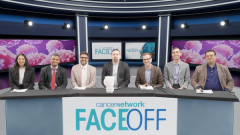
The faculty discuss how iberdomide, in combination with daratumumab and dexamethasone, may fit into treatment selection and sequencing for relapsed/refractory multiple myeloma.
Advertisement
The faculty discuss how iberdomide, in combination with daratumumab and dexamethasone, may fit into treatment selection and sequencing for relapsed/refractory multiple myeloma. Dr. Joshua Richter and the panel consider how prior anti-CD38 exposure, relapse characteristics, disease risk, and treatment readiness may influence patient selection. They highlight the potential role of this regimen as an accessible, non-T-cell-redirecting option for selected patients at early relapse, including those who may not be ready for CAR T-cell therapy. The discussion also addresses the significance of MRD-negative complete response as the primary endpoint supporting regulatory approval, while recognizing the need for continued follow-up to establish whether these responses translate into longer progression-free survival and ultimately overall survival. Faculty consider how CELMoD-based treatment may preserve future therapeutic options and support individualized sequencing as the relapsed/refractory multiple myeloma treatment landscape evolves. They also discuss the potential relevance of an oral regimen in community practice, where access to specialized T-cell-redirecting therapies may be more limited.
Advertisement
Related to this article

At the 2026 Chemotherapy Foundation Symposium, Ajai Chari, MD, explained how disease pace and BCMA sequencing guide choosing CAR T or bispecifics.

In the phase 1/2 TRANSCEND CLL 004 trial, liso-cel plus ibrutinib produced a 45% CR/CRi rate in a heavily pretreated relapsed/refractory CLL/SLL population.

The FDA has assigned a target action date of June 28, 2027, for selinexor plus ruxolitinib as a therapeutic regimen for patients with myelofibrosis.

In the phase 2 TRAP trial, the median PFS after SBRT was 3.0 months with detectable ctDNA vs 7.8 months without it in oligoprogressive CRPC.
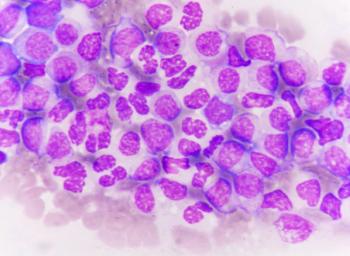
In the pivotal phase 3 REGAL trial, galinpepimut-S was generally well tolerated among patients with acute myeloid leukemia.
Amir T. Fathi, MD, discusses where venetoclax/azacitidine fits in fit patients with AML and why a phase 3 trial may be unlikely.
Data from the phase 1/2 ALKOVE-1 trial support the FDA approval of neladalkib in this non–small cell lung cancer population.

After an FDA Type C meeting, registrational trials of the DLL3-targeting ADC IDE849 in pretreated neuroendocrine carcinomas are set to begin by year-end.
Advertisement
Advertisement
Trending on CancerNetwork
1
FDA Approves Neladalkib in Advanced ALK+ Non–Small Cell Lung Cancer
2
Lung Cancer Survival Rate Climbs to 31%, Although Screening Gaps Persist
3
Selecting Patients With High-Risk Prostate Cancer for Perioperative ARPI Therapy
4
64Cu-SAR-bisPSMA Earns FDA Breakthrough Designation in Recurrent Prostate Cancer
5