
Opinion|Videos|June 30, 2026
Efficacy and Durability of Catadegbrutinib in Relapsed or Refractory Waldenström Macroglobulinemia
Author(s)Mazyar Shadman, MD, MPH
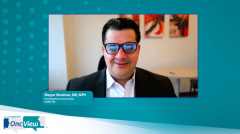
Dr Shadman contextualizes the efficacy of the BTK degrader catadegbrutinib in relapsed or refractory Waldenström macroglobulinemia, where it produced an overall response rate of 83.7%, a major response rate of 76.7%, and a very good partial response rate of 30.2% at a median follow-up of 16.6 months.
Advertisement
Dr Shadman contextualizes the efficacy of the BTK degrader catadegbrutinib in relapsed or refractory Waldenström macroglobulinemia, where it produced an overall response rate of 83.7%, a major response rate of 76.7%, and a very good partial response rate of 30.2% at a median follow-up of 16.6 months. He notes that while disease control is achievable in the relapse setting with available off-label agents, high-quality responses are uncommon, making a 30% very good partial response rate meaningful. Because deeper responses may translate into longer remission and time to next treatment, he regards these results as important. Drawing on experience with BTK inhibitors, where response quality improves over time, Dr Shadman expresses hope that the relatively short follow-up of under two years will deepen, potentially converting major responses to very good partial responses and some to complete responses. He characterizes the estimated 18-month progression-free survival of 68.6% as promising for a phase 1 assessment.
Advertisement
Related to this article

“When we give the most effective therapy at the time of new diagnosis, we get the most value out of the effort and time that we and our patients are spending,” said Neeraj Agarwal, MD, FASCO.

An aglatimagene besadenovec-based radiotherapy combination increased intratumoral lymphocyte fraction in intermediate- to high-risk localized prostate cancer.

The ROADS investigators reported no differences between cesium-131 tile-based radiation therapy and SRT in quality of life, functional status, or neurocognitive function.
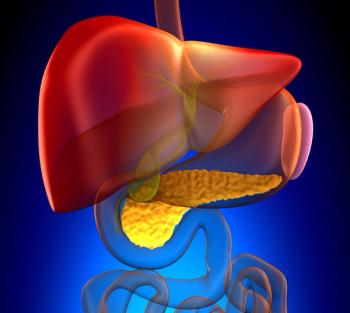
William A. Hall, MD, discussed the SOFT Preop study of preoperative SBRT vs conventional chemoradiation for pancreatic adenocarcinoma.
Chih-Yi “Andy” Liao, MD, discusses how oncologists are sequencing pemigatinib, futibatinib, and lirafugratinib and how their tolerability differs.

“It should be protocol that 100% of your patients with metastatic prostate cancer get germline testing. Full stop. No exceptions,” said Neal D. Shore, MD, FACS.
Chih-Yi “Andy” Liao, MD, discusses the FDA approval of lirafugratinib and what the field has learned about resistance to FGFR2 inhibitors.

In the phase 3 NRG-CC009 trial, SRS led to longer overall survival vs HA-WBRT plus memantine with similar neurocognitive failure in SCLC brain metastases.
Advertisement
Advertisement
Trending on CancerNetwork
1
BCMA/GPRC5D CAR T-Cell Therapy Shows Early Efficacy in R/R Multiple Myeloma
2
Multimodal Biopsy Combo Shows Low Morbidity in Suspected Prostate Cancer
3
Integrating Talazoparib Plus Enzalutamide Into HRR-Mutated mHSPC Care
4
Aglatimagene Combo Shows Sustained Immune Remodeling in Prostate Cancer
5