

Opinion|Videos|June 30, 2026
How BTK Degradation Differs from Inhibition
Author(s)Mazyar Shadman, MD, MPH
Dr Shadman explains how BTK degradation differs mechanistically from BTK inhibition.
Advertisement
Dr Shadman explains how BTK degradation differs mechanistically from BTK inhibition. Bruton tyrosine kinase is a central enzyme and protein in the pathophysiology of B-cell malignancies, including Waldenström macroglobulinemia and chronic lymphocytic leukemia. Covalent and non-covalent inhibitors, ibrutinib, acalabrutinib, zanubrutinib, and pirtobrutinib, block the enzyme's catalytic activity, but resistance frequently arises through mutations that impair drug binding. Degraders such as catadegbrutinib instead recruit cellular machinery to remove the entire BTK protein, addressing its scaffold function beyond enzymatic activity, and remain active even in patients who progress on prior BTK inhibitors. Dr Shadman emphasizes this is a genuinely distinct strategy rather than another form of inhibition, with a favorable safety profile that could support movement into earlier lines of therapy given the high safety standards in low-grade lymphomas. He adds that the heavily pretreated CaDAnCe-101 population mirrors the patients seen in clinic who have exhausted prior options and still require novel mechanisms of action.
Advertisement
Related to this article

“When we give the most effective therapy at the time of new diagnosis, we get the most value out of the effort and time that we and our patients are spending,” said Neeraj Agarwal, MD, FASCO.

An aglatimagene besadenovec-based radiotherapy combination increased intratumoral lymphocyte fraction in intermediate- to high-risk localized prostate cancer.

The ROADS investigators reported no differences between cesium-131 tile-based radiation therapy and SRT in quality of life, functional status, or neurocognitive function.
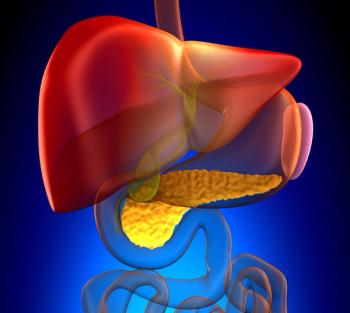
William A. Hall, MD, discussed the SOFT Preop study of preoperative SBRT vs conventional chemoradiation for pancreatic adenocarcinoma.
Chih-Yi “Andy” Liao, MD, discusses how oncologists are sequencing pemigatinib, futibatinib, and lirafugratinib and how their tolerability differs.

“It should be protocol that 100% of your patients with metastatic prostate cancer get germline testing. Full stop. No exceptions,” said Neal D. Shore, MD, FACS.
Chih-Yi “Andy” Liao, MD, discusses the FDA approval of lirafugratinib and what the field has learned about resistance to FGFR2 inhibitors.

In the phase 3 NRG-CC009 trial, SRS led to longer overall survival vs HA-WBRT plus memantine with similar neurocognitive failure in SCLC brain metastases.
Advertisement
Advertisement
Trending on CancerNetwork
1
BCMA/GPRC5D CAR T-Cell Therapy Shows Early Efficacy in R/R Multiple Myeloma
2
Multimodal Biopsy Combo Shows Low Morbidity in Suspected Prostate Cancer
3
Integrating Talazoparib Plus Enzalutamide Into HRR-Mutated mHSPC Care
4
Aglatimagene Combo Shows Sustained Immune Remodeling in Prostate Cancer
5