

Opinion|Videos|November 25, 2026
Evidence and Sequencing Strategies for CELMoDs in Relapsed/Refractory Multiple Myeloma
Author(s)Rahul Banerjee, MD, FACP, Muhamed Baljevic, MD
Dr. Rahul Banerjee and Dr. Muhamed Baljevic discuss the clinical evidence needed to establish the role of CELMoDs in relapsed/refractory multiple myeloma, particularly when used before or after T-cell-redirecting therapies.
Advertisement
Episodes in this series
Dr. Rahul Banerjee and Dr. Muhamed Baljevic discuss the clinical evidence needed to establish the role of CELMoDs in relapsed/refractory multiple myeloma, particularly when used before or after T-cell-redirecting therapies. Dr. Baljevic references the EXCALIBER-RRMM trial of iberdomide as an example of an MRD-based accelerated approval pathway and discusses measurable residual disease (MRD) as a potential correlate of long-term outcomes, including progression-free and overall survival. He also highlights the importance of evaluating progression-free survival on subsequent therapy (PFS2) and incorporating T-cell fitness and exhaustion markers as secondary endpoints in clinical trials. These measures may help clarify how prior CELMoD exposure influences the activity and sequencing of CAR T-cell therapy, bispecific antibodies, and trispecific antibodies. The experts emphasize the need for meaningful efficacy, safety, and longer-term outcome data, particularly as T-cell-redirecting therapies move into earlier lines of treatment.
Advertisement
Related to this article

Adding bezuclastinib to sunitinib may lead to additional responses after initial progression on sunitinib monotherapy, according to Neeta Somaiah, MD.
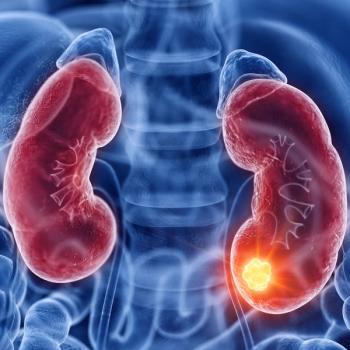
In a phase 1/2 pilot study, seleno-L-methionine plus axitinib and pembrolizumab yielded a 70% ORR in treatment-naive metastatic clear cell RCC.

Peak subgroup data at CTOS 2026 show numerically longer PFS with bezuclastinib plus sunitinib in exon 9-mutant GIST and activity after sunitinib failure.

Halneuron met the primary end point of a phase 2b trial, as more patients had at least 50% pain reduction at week 4 vs placebo in chemotherapy-induced neuropathic pain.

Neeta Somaiah, MD, explains how combining bezuclastinib and sunitinib provides complementary KIT coverage, including in the exon 9 subgroup.
Bezuclastinib plus sunitinib is now FDA approved for imatinib-pretreated GIST after the phase 3 PEAK trial showed a median PFS of 16.5 vs 9.2 months.
In honor of Pancreatic Cancer Awareness Month, experts discuss how advances in SBRT, MRI-guided adaptive radiation, and systemic therapy are reshaping care.
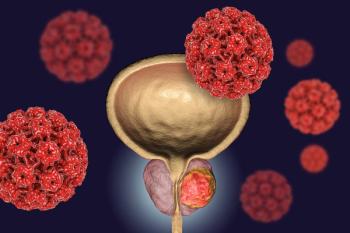
Copper Cu 64 PSMA I&T is under evaluation in 2 phase 3 prostate cancer trials, SOLAR-STAGE and SOLAR-RECUR.
Advertisement
Advertisement
Trending on CancerNetwork
1
FDA Approves Bezuclastinib Plus Sunitinib for Imatinib-Pretreated GIST
2
Bezuclastinib/Sunitinib Shows Activity in Exon 9, Crossover GIST Subgroups
3
Why Radiation Belongs in the Future of Pancreatic Cancer Care
4
Seleno-L-Methionine Combo Yields 40% CR Rate in Treatment-Naive ccRCC
5