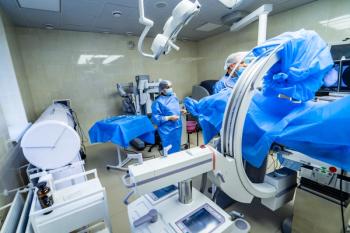
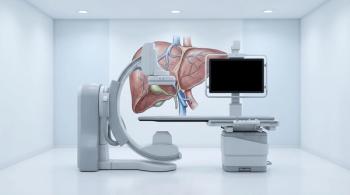
Zachary L. Bercu, MD, RPVI, FSIR, discusses the Liberty robotic system’s applications in liver and kidney cancer as well as the feasibility of remote procedures.
Kim Stravers highlighted who initiates the connection with a death doula and how their role differs from that of a nurse when caring for patients with cancer.
In this episode of Oncology On the Go, CancerNetwork® spoke with Kim Stravers, an International End-of-Life Doula Association (INELDA)–certified end-of-life doula, educator, and trainer based in the Phoenix Valley, to explore how death doulas support patients with cancer and their families across all stages of the disease trajectory.
Stravers opened by defining the scope of end-of-life doula work, clarifying that doulas provide nonmedical emotional, practical, and relational support to people confronting their mortality and those who care for them. She distinguished the role from hospice nursing and palliative care by emphasizing that doulas never act in a clinical capacity; they instead function as neutral companions who facilitate difficult conversations, help patients clarify their values and wishes, and advocate for individual autonomy across medical and personal decision-making. She also discussed her volunteer work within an interdisciplinary hospice team in Phoenix and described her invitation to speak at Grand Rounds for the Palliative Care Department at Mayo Clinic Arizona to introduce the role to clinical providers.
When addressing cancer-specific experiences, Stravers noted that patients often come to her late in their trajectory, frequently within the 6-month hospice eligibility window, and described nonpharmacological techniques she uses to support breakthrough pain and existential distress, including body scans and guided visualization. She also shared a detailed patient case involving a woman with pancreatic cancer and Lynch syndrome whose daughter previously died of the same disease, describing how the shared diagnosis intensified the patient's anticipatory anxiety and how weekly doula visits helped provide periods of calm.
Additional topics included the credentialing landscape for end-of-life doulas, which currently lacks a national licensure body, with organizations such as INELDA offering varied training and certification pathways. Stravers also addressed the portrayal of a death doula in the television drama The Pitt, affirming elements she found accurate while flagging several areas she viewed as outside the appropriate scope of doula practice.
Stravers holds certification through INELDA, where she also serves as an educator and trainer, as well as proficiency through the National End-Of-Life Doula Alliance (NEDA).


![“We want to make sure we are not producing a financial burden for patients in exchange for that convenience [with subcutaneous therapies],” said Thaddeus Beck, MD, FACP.](https://cdn.sanity.io/images/0vv8moc6/cancernetwork/cbb0bc385f194a5dd84702ed02a21020e3a6977b-1200x1800.jpg?w=350&fit=crop&auto=format)