

Opinion|Videos|November 9, 2026
How Metastatic Sites Shape First-Line Urgency
Terence W. Friedlander, MD, of UCSF Helen Diller Family Comprehensive Cancer Center tells Elizabeth R. Plimack, MD, MS, of Fox Chase Cancer Center that simply counting metastatic sites is not a helpful way to assign first-line therapy in advanced renal cell carcinoma (RCC), unless a single site can be removed or irradiated.
Advertisement
Episodes in this series
Terence W. Friedlander, MD, of UCSF Helen Diller Family Comprehensive Cancer Center tells Elizabeth R. Plimack, MD, MS, of Fox Chase Cancer Center that simply counting metastatic sites is not a helpful way to assign first-line therapy in advanced renal cell carcinoma (RCC), unless a single site can be removed or irradiated. What matters to him is where the disease is and what it is doing. Bone metastases worry him because they cause pain in perhaps a third to half of patients and raise fracture risk in weight-bearing areas. Liver involvement adds urgency because liver dysfunction can complicate tyrosine kinase inhibitor (TKI) use, and he urges brain imaging whenever disease volume is high. He notes that the CLEAR study showed benefit with lenvatinib plus pembrolizumab across lung, bone, and liver subgroups. Higher-risk sites push him toward immunotherapy plus a TKI, while a handful of lung metastases may allow dual immunotherapy, always guided by the patient’s goals.
Advertisement
Related to this article

Psychiatrists explain where ketamine and esketamine show real promise for depression in patients with cancer and where caution is still needed.

In a phase 2 study, azacitidine plus ruxolitinib produced a 78% objective response rate in patients with chronic phase myelofibrosis.

Shankar Siva, MBBS, PhD, FRANZCR, discussed when to consider cytoreductive SABR in patients with metastatic kidney cancer responding to systemic therapy.
At The Liver Meeting 2026, Daniel Q. Huang, MBBS, PhD, explained why cirrhosis-based HCC surveillance misses many patients with MASLD and how to find them.
At The Liver Meeting 2026, Hashem B. El-Serag, MD, MPH, discussed when patients with MASLD and F3 fibrosis may merit HCC surveillance.

At The Liver Meeting 2026, Pierre Gholam, MD, explained why liver tumor board plans often break down at implementation and how navigators can help.
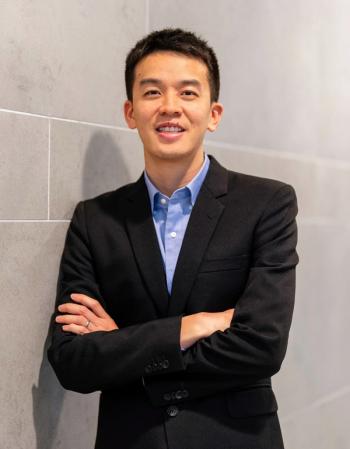
Surveillance guidelines limited to cirrhosis may miss up to a third of patients with MASLD-related HCC, according to Daniel Q. Huang, MBBS, PhD.
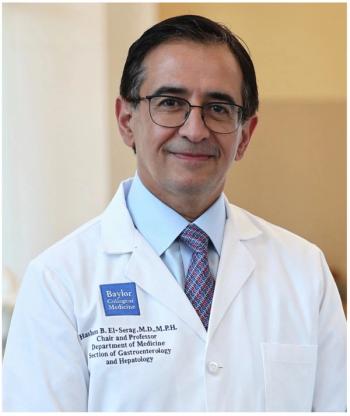
Hashem B. El-Serag, MD, MPH, discussed fibrosis-based HCC surveillance, ultrasound limits, chemoprevention, and alcohol screening for patients with MASLD.
Advertisement
Advertisement
Trending on CancerNetwork
1
Azacitidine Plus Ruxolitinib Shows Durable Responses in Myelofibrosis
2
Defining the Optimal Window for Cytoreductive SABR in Metastatic Kidney Cancer
3
Building Systems to Catch Liver and Other Cancers in Patients With MASLD
4
BOT+BAL Yields Long-Term Survival in Patients With Refractory MSS mCRC
5