

News|Videos|April 27, 2026
Introducing The Bispecifics Network: Importance of Education and Multi-D Care
Author(s)Ralph V. Boccia, MD, FACP
CancerNetwork, AJMC, and Pharmacy Times are producing The Bispecifics Network, where Ralph V. Boccia, MD, FACP, breaks down the importance of this initiative.
Advertisement
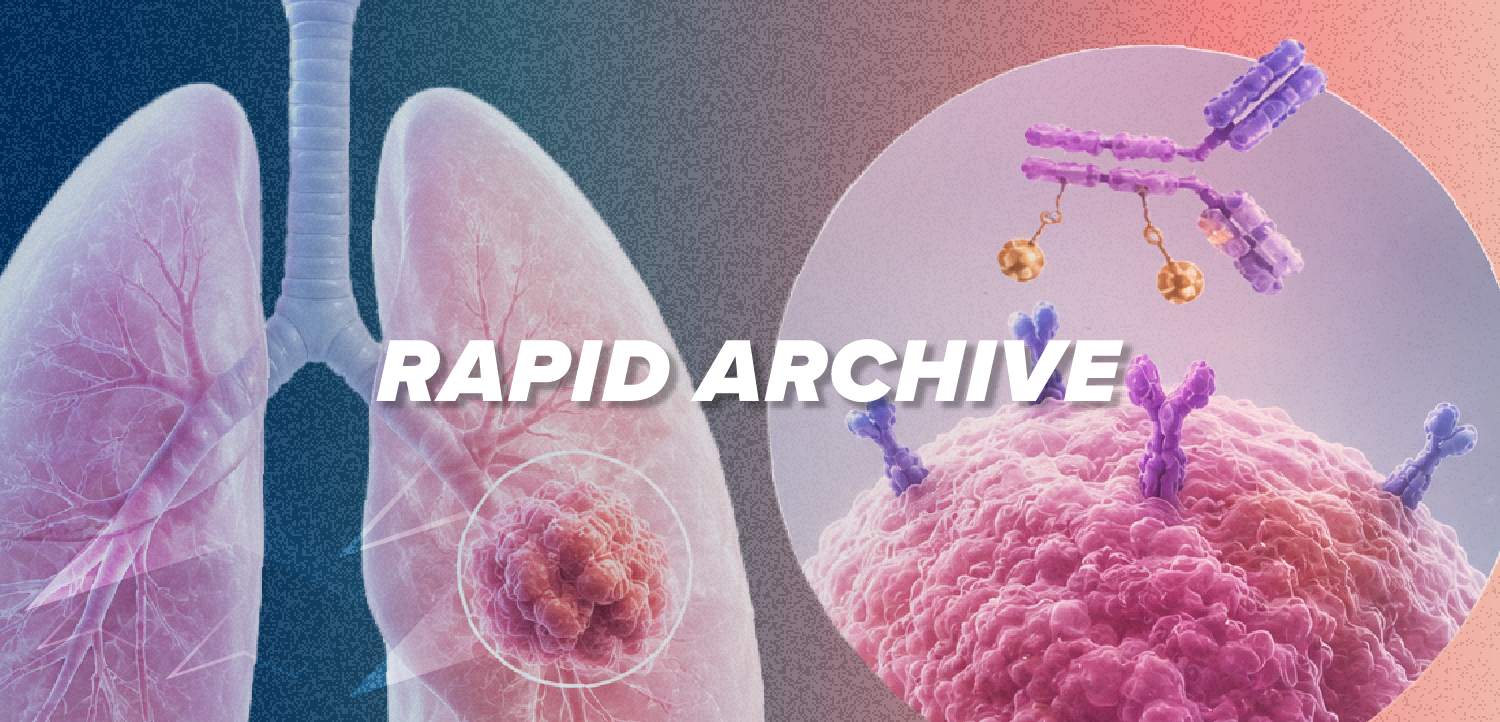
Ralph V. Boccia, MD, FACP, highlighted that the launch of The Bispecifics Network across CancerNetwork, The American Journal of Managed Care, and Pharmacy Times is an important initiative to bring multiple audiences up-to-speed on the use of bispecific antibodies in oncology.
Boccia, founder of The Center for Cancer and Blood Disorders, clinical associate professor at MedStar Georgetown University Hospital, and medical director of the International Oncology Network Clinical Research Program, discussed the uptake of bispecific antibodies in hematologic malignancies and how they will also soon be used in solid tumors as well. The solid tumor they are already used in is small cell lung cancer, which has seen slower adaptation because of the potential adverse effects associated with their use.
He also focused on the importance of multidisciplinary care, and how the administration of bispecific antibodies is a team approach. If patients experience adverse effects, the rest of the treating team will need to be clued in on how to manage and treat each patient.
Transcript:
The area of bispecifics, or T-cell engaging therapy, is a very hot topic. It is one of the newest therapeutics that we can use today to treat patients with hematologic malignancies, and in the not-too-distant future, a lot of solid tumors as well. That said, bispecifics are used in small cell lung cancer, so we do have some overlap with the hematologic malignancies, but there has been fairly slow uptake of these treatments because of the potential [adverse] effects that patients can get from them. There’s been a little bit of a reluctance, especially out in the community, to begin treating patients with bispecifics. It is our goal in [The Bispecifics Network] to inform the community, to help guide and teach the community how to implement these in a safe and effective fashion.
The adverse event profile of the bispecifics is a fairly complicated one that involves not only cardiovascular-like [adverse] effects, but also neurologic [adverse] effects. Having a multidisciplinary team to help you if these adverse events become problematic and can’t be managed by just the treating physician [is important because] then you need this team to help you through some of the toxic effects that can be seen.
Advertisement
Related Content
Advertisement



Latest CME














































Advertisement
Advertisement
Trending on CancerNetwork
1
Debating CAR T-Cell Therapy Vs Bispecifics at First Relapse in Myeloma
2
Perioperative Durvalumab Combo Boosts Survival in Resectable Gastric Cancer
3
Which Lung Cancer Presentations Will Move the Needle at WCLC 2026?
4
Neoadjuvant Atezolizumab Does Not Significantly Improve EFS in Early TNBC
5