
Opinion|Videos|July 8, 2024
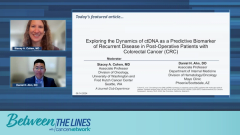
Key Findings from the INTERCEPT Study
Author(s)Stacey A. Cohen, MD, Daniel H. Ahn, DO
GI medical oncologists review recent findings from the INTERCEPT study evaluating the prognostic performance of circulating tumor DNA in clinical practice.
Advertisement
Episodes in this series
Advertisement
Related to this article
Poster presentations at IMS 2026 highlighted the use of venetoclax, daratumumab, and different combination regimens across various treatment settings.

Patient enrollment of the phase 3 IDeate-Lung02 trial assessing I-DXd vs chemotherapy in relapsed ES-SCLC will continue following the withdrawal.
Developers have resubmitted the biologics license application for tabelecleucel following feedback from a Type A meeting in April 2026.
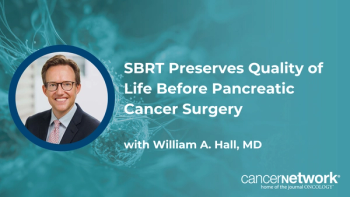
William A. Hall, MD, discussed how preoperative SBRT may serve as a platform for novel systemic therapies in pancreatic adenocarcinoma.
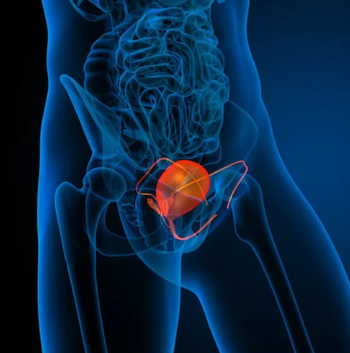
At 8 years, SBRT and radical prostatectomy had similar disease control in the PACE-A trial, with less urinary incontinence after SBRT.
Chih-Yi “Andy” Liao, MD, discusses early clinical data for KRAS G12C and G12D inhibitors in cholangiocarcinoma, noting that trials are just getting started.

“When we give the most effective therapy at the time of new diagnosis, we get the most value out of the effort and time that we and our patients are spending,” said Neeraj Agarwal, MD, FASCO.
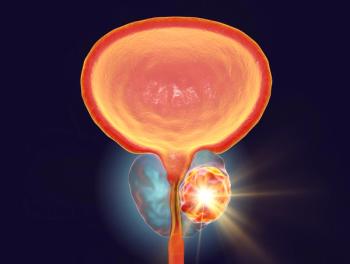
An aglatimagene besadenovec-based radiotherapy combination increased intratumoral lymphocyte fraction in intermediate- to high-risk localized prostate cancer.
Advertisement
Advertisement
Trending on CancerNetwork
1
Aglatimagene Combo Shows Sustained Immune Remodeling in Prostate Cancer
2
What Does TALAPRO-3 Mean for Frontline Treatment of HRR-Altered mHSPC?
3
Referral Barriers to Chimeric Antigen Receptor T-Cell Therapy in Multiple Myeloma
4
SBRT Matches Chemoradiation, Preserves QOL Before Pancreatic Surgery
5