

Opinion|Videos|October 1, 2026
Managing Zongertinib Toxicities and Supporting Adherence
This episode focuses on the safety profile of zongertinib and what it takes to keep patients on therapy.
Advertisement
Episodes in this series
This episode focuses on the safety profile of zongertinib and what it takes to keep patients on therapy. The panel describes diarrhea as the most common toxicity, largely low grade and manageable with over-the-counter antidiarrheals, with severe diarrhea far less common than with nonselective EGFR/HER2 inhibitors. Rash also tends to be low grade. Faculty highlight an easily overlooked requirement: frequent transaminase monitoring during the early months of therapy, as specified in the label, with drug holds and dose reductions for severe elevations. The discussion contrasts this profile with platinum-based chemotherapy, including myelosuppression, nausea, fatigue, and the burden of recurring infusions. The pharmacist perspective centers on adherence: setting expectations before the first dose, prescribing supportive care in advance, encouraging early outreach for breakthrough symptoms, and scheduling proactive check-ins for patients who never enter the infusion center, including stable patients seen only every few months.
Advertisement
Related to this article
Chih-Yi “Andy” Liao, MD, discusses early clinical data for KRAS G12C and G12D inhibitors in cholangiocarcinoma, noting that trials are just getting started.

“When we give the most effective therapy at the time of new diagnosis, we get the most value out of the effort and time that we and our patients are spending,” said Neeraj Agarwal, MD, FASCO.

An aglatimagene besadenovec-based radiotherapy combination increased intratumoral lymphocyte fraction in intermediate- to high-risk localized prostate cancer.

The ROADS investigators reported no differences between cesium-131 tile-based radiation therapy and SRT in quality of life, functional status, or neurocognitive function.
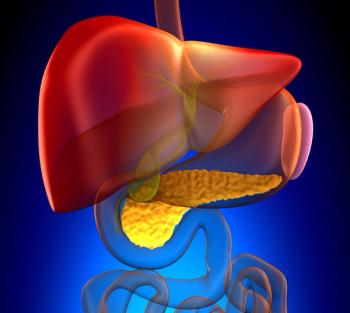
William A. Hall, MD, discussed the SOFT Preop study of preoperative SBRT vs conventional chemoradiation for pancreatic adenocarcinoma.
Chih-Yi “Andy” Liao, MD, discusses how oncologists are sequencing pemigatinib, futibatinib, and lirafugratinib and how their tolerability differs.

“It should be protocol that 100% of your patients with metastatic prostate cancer get germline testing. Full stop. No exceptions,” said Neal D. Shore, MD, FACS.
Chih-Yi “Andy” Liao, MD, discusses the FDA approval of lirafugratinib and what the field has learned about resistance to FGFR2 inhibitors.
Advertisement
Advertisement
Trending on CancerNetwork
1
Aglatimagene Combo Shows Sustained Immune Remodeling in Prostate Cancer
2
What Does TALAPRO-3 Mean for Frontline Treatment of HRR-Altered mHSPC?
3
SBRT Matches Chemoradiation, Preserves QOL Before Pancreatic Surgery
4
Tile-Based Radiation Improves Surgical Bed Recurrence in Brain Metastases
5