Leah Katz, MD, MPH, discusses IDEA, TARGIT-B, NeoORB, and other breast radiation data from ASTRO 2026, and why patient selection is the unifying theme.
At the BIG10 CRC Summit, Mingjia Li, MD, outlined how pre-operative hemoglobin may signal treatment response in resectable NSCLC.
The perioperative chemoimmunotherapy landscape for resectable non–small cell lung cancer (NSCLC) continues to evolve rapidly, with growing evidence supporting neoadjuvant approaches, expanding use of pathological complete response (pCR) as a surrogate outcome measure, and persistent gaps in biomarker-guided patient selection. Against that backdrop, a retrospective analysis from The Ohio State University Wexner Medical Center examined the prognostic significance of treatment-related hemoglobin changes during neoadjuvant chemoimmunotherapy, identifying pre-operative hemoglobin below 10 g/dL as a signal worthy of closer clinical attention.1
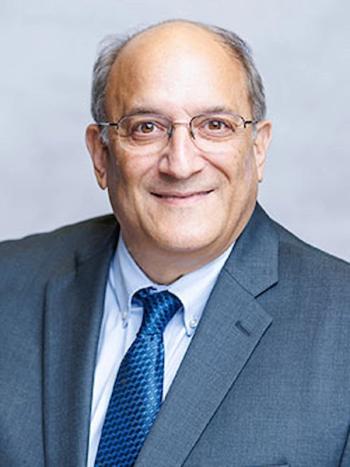
CancerNetwork® spoke with Mingjia Li, MD, at the 2026 Big Ten Cancer Research Consortium (CRC) Summit about his team’s retrospective findings. Li also highlighted the current state of evidence on perioperative vs neoadjuvant-only regimens and what biomarker advances will be needed to refine patient selection and toxicity prediction in resectable NSCLC.
Li is an assistant professor of internal medicine and a medical oncologist specializing in lung cancers at The Ohio State University Wexner Medical Center in Columbus, Ohio.
Li: One possibility is that pre-operative hemoglobin reflects a combination of baseline hemoglobin and the dynamic change over time. For example, somebody with a hemoglobin of 14 g/dL who drops by 3 grams will be at 11 g/dL, vs somebody who started at 11 g/dL and ends up at 8 g/dL. Even though the magnitude of decline may be the same, one scenario could indicate that a patient is not doing so well on neoadjuvant chemoimmunotherapy.
With that in mind, I would also be cautious in interpreting patients with low baseline hemoglobin. Even though it was not significant in our initial analysis that we presented at NCCN—it was a relatively small cohort—we saw a trend between low baseline hemoglobin and poor outcome. Since then, we have doubled the cohort with more institutions joining our research. Hopefully, in the near future, we can take a closer look at the same topic.
Our data indicate that anemia deserves closer attention during treatment. However, our research did not show that intervention, or any change in chemotherapy, will lead to any improvement in outcome. We are still in the process of trying to sort out all the etiologies of anemia during the neoadjuvant period. Right now, we don’t have data or evidence to say that changing treatment will have any effect on the outcome of neoadjuvant therapy. But this topic deserves closer attention.
As thoracic oncologists, we always wonder which approach to give: neoadjuvant, adjuvant, or both. Currently, our feeling is that neoadjuvant therapy is probably the better regimen, given that the antigen is still in the body and the immune system can mount a response in that setting. Additionally, 20% to 30% of patients who receive neoadjuvant chemoimmunotherapy achieve a pCR at the time of surgery, and these patients do incredibly well afterward. But the real question is, do they need more treatment after surgery? We don’t know.
There are currently multiple trials ongoing to answer this. For example, [the phase 3 PROSPECT-Lung trial (NCT06632327)] and several others.² Hopefully, in the near future, we will know what the better regimen is and who the right patients are to receive each approach.
In the neoadjuvant setting, the data currently support chemoimmunotherapy over chemotherapy alone. For patients who are suitable and fit enough to undergo surgical resection, chemoimmunotherapy is recommended over chemotherapy in general. In terms of patient selection, we definitely take medical comorbidities into consideration. For patients who are not fit for surgery and not fit for chemoimmunotherapy, there are other viable options, such as radiotherapy. But overall, for patients who are fit, chemoimmunotherapy is preferred over chemotherapy alone.
Currently, in the neoadjuvant setting for thoracic oncology, we don’t have great biomarkers to help us select the right patient, and this area deserves more attention. We know that 20% to 30% of patients who receive chemoimmunotherapy can achieve a pCR and do very well, but for the rest, outcomes are still suboptimal; these patients are still at risk for toxicities such as severe immune-related AEs. Unfortunately, the biomarkers we have right now, including PD-L1, are not great at helping us select the right patient.
There are biomarkers such as STK11 and KEAP1 mutations that are typically associated with poor outcomes on immunotherapy-based treatment. However, they are not absolute predictors. I have a strong feeling that novel biomarkers being developed today can potentially help to solve this problem in the future.
Immunotherapy has changed how we treat patients. We have seen [patients] live longer and live better. However, more attention is needed in biomarker research to help us select the right patient and find the right treatment. In addition, we need more new treatments that can improve outcomes for patients in the future.