

Opinion|Videos|February 18, 2025
Patient Perspective: Key Aspects of Supportive Care in the EGFR-Mutant Advanced NSCLC Journey
Panelists discuss key aspects of supportive care from the patient perspective in the EGFR-mutant advanced NSCLC journey, focusing on the strategies and resources that have been most helpful in managing symptoms and improving quality of life throughout treatment.
Advertisement
Episodes in this series

Video content above is prompted by the following:
- Dr. Spira asks Melinda: Can you briefly share key aspects of your supportive care that helped you through your journey?
Advertisement
Related to this article
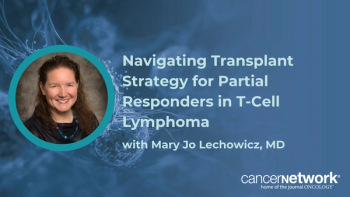
Mary Jo Lechowicz, MD, discussed how pre-transplant depth of response informs the choice between autologous and allogeneic HSCT in T-cell lymphoma.

Jasmine Zain, MD, described the molecular workup to determine whether a secondary malignancy after CAR T-cell therapy reflects direct insertional mutagenesis.
SOHO 2026 sessions covered chemoimmunotherapy in frontline DLBCL, treatment selection via molecular classifiers, and bispecific antibodies for unfit patients.
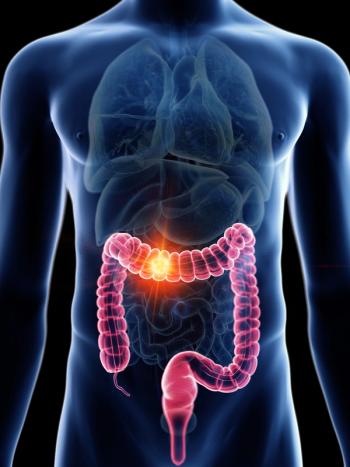
The FDA cleared the Triton 1 robotic endoscopy system for diagnostic and therapeutic procedures such as colorectal cancer screening and lesion removal.

ASTRO’s first standalone clinical practice guideline for bladder cancer recommends trimodal therapy vs radical cystectomy for select muscle-invasive disease cases.

Investigators are evaluating cesalatamig among patients with advanced cancer in the international phase 1/2 BiPAVE-001 trial.
The FDA granted fast track designation to the oral pan-KRAS inhibitor KST-6051 for patients with KRAS-mutant advanced or metastatic solid tumors.
Based on updated data from the TRUST-1 trial, a sNDA for taletrectinib has been approved by the FDA for patients with TKI-naive ROS1+ NSCLC.
Advertisement
Advertisement
Trending on CancerNetwork
1
FDA Approves sNDA for Taletrectinib in TKI-Naive Advanced ROS1+ NSCLC
2
IASO208 Receives FDA IND Clearance for Relapsed/Refractory B-Cell Lymphoma
3
SOHO 2026: Key Updates Across the Multiple Myeloma Continuum
4
PALOMA-2 Shows Improved Survival vs Historical IV Amivantamab Data
5