
Opinion|Videos|June 30, 2026
Relapsed/Refractory Multiple Myeloma: CARTITUDE-4 and the Evolving Role of BCMA CAR T-Cell Therapy
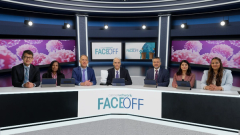
Dr. Saad Usmani reviews key findings from the phase 3 CARTITUDE-4 trial and discusses the growing role of ciltacabtagene autoleucel (cilta-cel) in patients with second-line and earlier-relapse relapsed/refractory multiple myeloma. The discussion highlights the study population, including patients with lenalidomide-refractory disease and high-risk clinical features, as well as the significant progression-free survival benefit observed with BCMA-directed CAR T-cell therapy compared with standard triplet regimens. Dr. Usmani and the panel examine the depth and durability of response, including high rates of complete response and sustained MRD negativity, and discuss the concept of treatment-free remission as a unique advantage of CAR T-cell therapy. Faculty also explore practical considerations such as patient selection, manufacturing timelines, bridging therapy, disease burden control, and quality-of-life outcomes. The conversation further addresses important safety considerations, including cytokine release syndrome, neurotoxicity, Parkinsonism-like events, immune effector cell-associated enterocolitis, access challenges, and the logistical barriers associated with delivering CAR T-cell therapy in real-world multiple myeloma practice.
Advertisement
Episodes in this series
Dr. Saad Usmani reviews key findings from the phase 3 CARTITUDE-4 trial and discusses the growing role of ciltacabtagene autoleucel (cilta-cel) in patients with second-line and earlier-relapse relapsed/refractory multiple myeloma. The discussion highlights the study population, including patients with lenalidomide-refractory disease and high-risk clinical features, as well as the significant progression-free survival benefit observed with BCMA-directed CAR T-cell therapy compared with standard triplet regimens. Dr. Usmani and the panel examine the depth and durability of response, including high rates of complete response and sustained MRD negativity, and discuss the concept of treatment-free remission as a unique advantage of CAR T-cell therapy. Faculty also explore practical considerations such as patient selection, manufacturing timelines, bridging therapy, disease burden control, and quality-of-life outcomes. The conversation further addresses important safety considerations, including cytokine release syndrome, neurotoxicity, Parkinsonism-like events, immune effector cell-associated enterocolitis, access challenges, and the logistical barriers associated with delivering CAR T-cell therapy in real-world multiple myeloma practice.
Advertisement
Related to this article

“When we give the most effective therapy at the time of new diagnosis, we get the most value out of the effort and time that we and our patients are spending,” said Neeraj Agarwal, MD, FASCO.
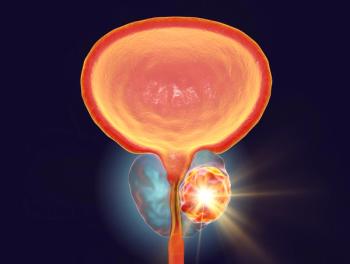
An aglatimagene besadenovec-based radiotherapy combination increased intratumoral lymphocyte fraction in intermediate- to high-risk localized prostate cancer.

The ROADS investigators reported no differences between cesium-131 tile-based radiation therapy and SRT in quality of life, functional status, or neurocognitive function.
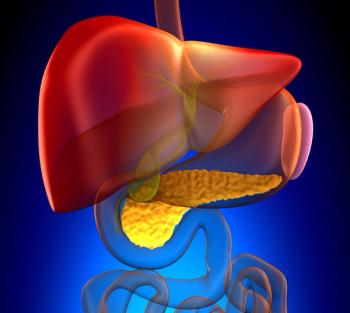
William A. Hall, MD, discussed the SOFT Preop study of preoperative SBRT vs conventional chemoradiation for pancreatic adenocarcinoma.
Chih-Yi “Andy” Liao, MD, discusses how oncologists are sequencing pemigatinib, futibatinib, and lirafugratinib and how their tolerability differs.

“It should be protocol that 100% of your patients with metastatic prostate cancer get germline testing. Full stop. No exceptions,” said Neal D. Shore, MD, FACS.
Chih-Yi “Andy” Liao, MD, discusses the FDA approval of lirafugratinib and what the field has learned about resistance to FGFR2 inhibitors.

In the phase 3 NRG-CC009 trial, SRS led to longer overall survival vs HA-WBRT plus memantine with similar neurocognitive failure in SCLC brain metastases.
Advertisement
Advertisement
Trending on CancerNetwork
1
Multimodal Biopsy Combo Shows Low Morbidity in Suspected Prostate Cancer
2
BCMA/GPRC5D CAR T-Cell Therapy Shows Early Efficacy in R/R Multiple Myeloma
3
Integrating Talazoparib Plus Enzalutamide Into HRR-Mutated mHSPC Care
4
Lirafugratinib Approval Adds a Third FGFR2 Inhibitor in Cholangiocarcinoma
5