Now Playing
Experts unpack how frontline CD38 quadruplets reshape relapse strategy and high‑risk definitions, spotlighting talquetamab’s promise in myeloma.
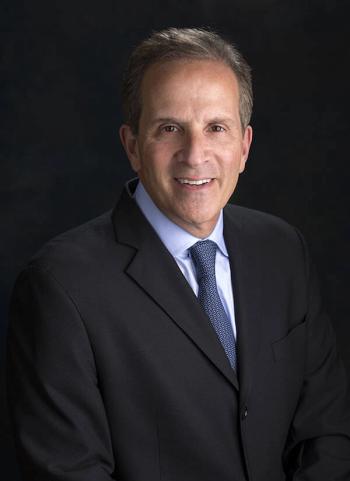
Dr. Ajai Chari and Dr. Rahul Banerjee open the discussion by examining how the treatment landscape for relapsed/refractory multiple myeloma (RRMM) has evolved in the era of CD38-based quadruplet regimens. Dr. Banerjee reviews the growing adoption of quadruplet therapy across newly diagnosed patient populations, including transplant-eligible and selected transplant-ineligible patients, and discusses how these approaches are reshaping expectations for outcomes and disease control. The conversation then shifts to the impact of frontline treatment choices on management at first relapse, particularly as increasing numbers of patients become lenalidomide-exposed, lenalidomide-refractory, and exposed to anti-CD38 antibodies. Dr. Chari and Dr. Banerjee explore the concept of functional high-risk disease, including evolving definitions of early relapse and the implications of updated risk stratification criteria. They also discuss emerging challenges in the post-CD38 era, highlighting ongoing questions surrounding daratumumab exposure, potential synergy with T-cell redirecting therapies, and how these factors may influence treatment selection for patients with RRMM.