

Opinion|Videos|July 10, 2026
Relapsed/Refractory Multiple Myeloma: Interpreting MonumenTAL-3 Efficacy and Safety Findings
Author(s)Ajai Chari, MD, Rahul Banerjee, MD, FACP
Dr. Ajai Chari and Dr. Rahul Banerjee review the key efficacy and safety findings from the phase 3 MonumenTAL-3 study in relapsed/refractory multiple myeloma (RRMM).
Advertisement
Episodes in this series
Description - Dr. Ajai Chari and Dr. Rahul Banerjee review the key efficacy and safety findings from the phase 3 MonumenTAL-3 study in relapsed/refractory multiple myeloma (RRMM). The faculty discuss the significant progression-free survival benefit observed with talquetamab-based combinations compared with daratumumab, pomalidomide, and dexamethasone, highlighting the magnitude of benefit achieved across both talquetamab-containing treatment arms. The conversation explores the emerging overall survival data and considers the implications of introducing T-cell–redirecting therapies earlier in the disease course. Dr. Banerjee and Dr. Chari also examine practical differences between the talquetamab plus daratumumab and talquetamab plus daratumumab and pomalidomide regimens, including efficacy considerations and treatment-related toxicities. A substantial portion of the discussion focuses on adverse event management, including cytokine release syndrome, taste alterations, skin and nail changes, weight loss, and infection risk. The faculty highlight the unique safety profile associated with GPRC5D-directed therapy and discuss how dosing modifications, supportive care strategies, and growing clinical experience may help optimize treatment outcomes for patients with RRMM.
Advertisement
Related to this article

Ravi Patel, MD, PhD, discusses expanding theranostics access, personalized dosing strategies, and translational research in radiation oncology.

Jeffrey V. Matous, MD, discusses how to counsel patients on chronic, low-grade toxicities to support adherence to ramantamig.

The FDA approved adjuvant atezolizumab with chemotherapy for patients with resected stage III dMMR colon cancer based on results from the phase 3 ATOMIC trial.

“No one should be excluded from any clinical trial,” said Paul G. Rubinstein, MD, regarding patients with HIV-associated cancers in cooperative group studies.
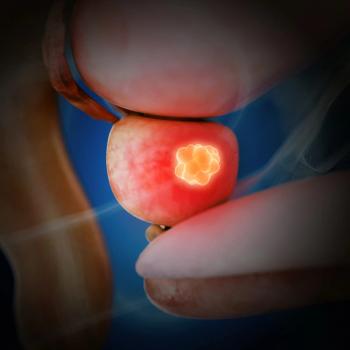
Interim phase 2 data show a median PFS of 17.7 months with carotuximab plus apalutamide vs 2 months with apalutamide alone in metastatic CRPC.
Ahead of a fourth-quarter 2026 FDA decision, TALAPRO-3 investigators outline the testing, monitoring, and sequencing steps needed to adopt the regimen.

Iberdomide plus daratumumab/dexamethasone met the second dual primary end point of the phase 3 EXCALIBER-RRMM trial in relapsed/refractory multiple myeloma.

Melody Rasouli, MD, MBA, FACOG, explained how random-start ovarian stimulation and rapid sperm banking fit fertility preservation into cancer care.
Advertisement
Advertisement
Trending on CancerNetwork
1
FDA Approves Atezolizumab/Chemo for Stage III dMMR Colon Cancer
2
Novel Cancer Vaccine Plus Temozolomide Miss Primary End Point in Glioblastoma
3
FDA Approves Tucatinib Combo as Maintenance in HER2+ Breast Cancer
4
Iberdomide Combination Doubles PFS vs SOC Therapy in R/R Multiple Myeloma
5