

Opinion|Videos|May 5, 2025
Research Considerations for ctDNA Testing in Colorectal Cancer
Author(s)John L. Marshall, MD, Mark Lewis, MD
Panelists discuss how research on circulating tumor DNA (ctDNA) testing in colorectal cancer requires careful consideration of standardized collection protocols, analytical validation, clinical utility assessment, integration with existing biomarkers, and longitudinal monitoring to establish its role in personalized treatment decision-making.
Advertisement
Episodes in this series
Advertisement
Related to this article

Chih-Yi “Andy” Liao, MD, discusses early clinical data for KRAS G12C and G12D inhibitors in cholangiocarcinoma, noting that trials are just getting started.

“When we give the most effective therapy at the time of new diagnosis, we get the most value out of the effort and time that we and our patients are spending,” said Neeraj Agarwal, MD, FASCO.
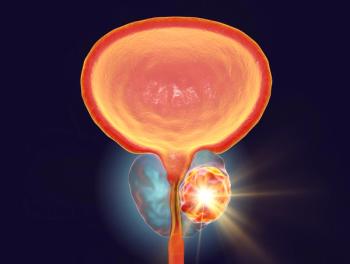
An aglatimagene besadenovec-based radiotherapy combination increased intratumoral lymphocyte fraction in intermediate- to high-risk localized prostate cancer.

The ROADS investigators reported no differences between cesium-131 tile-based radiation therapy and SRT in quality of life, functional status, or neurocognitive function.
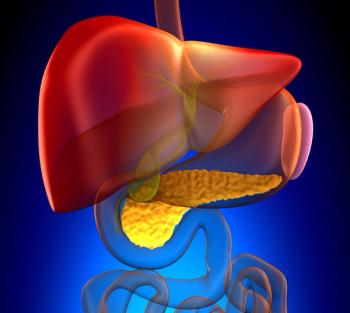
William A. Hall, MD, discussed the SOFT Preop study of preoperative SBRT vs conventional chemoradiation for pancreatic adenocarcinoma.

Chih-Yi “Andy” Liao, MD, discusses how oncologists are sequencing pemigatinib, futibatinib, and lirafugratinib and how their tolerability differs.

“It should be protocol that 100% of your patients with metastatic prostate cancer get germline testing. Full stop. No exceptions,” said Neal D. Shore, MD, FACS.

Chih-Yi “Andy” Liao, MD, discusses the FDA approval of lirafugratinib and what the field has learned about resistance to FGFR2 inhibitors.
Advertisement
Advertisement
Trending on CancerNetwork
1
Aglatimagene Combo Shows Sustained Immune Remodeling in Prostate Cancer
2
What Does TALAPRO-3 Mean for Frontline Treatment of HRR-Altered mHSPC?
3
SBRT Matches Chemoradiation, Preserves QOL Before Pancreatic Surgery
4
Tile-Based Radiation Improves Surgical Bed Recurrence in Brain Metastases
5