
Opinion|Videos|February 24, 2025
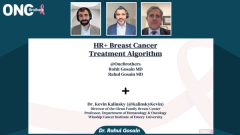
Treatment of Locally Advanced Disease
With Kevin Kalinsky, MD, the Oncology Brothers discuss the treatment of locally advanced disease, which typically involves a multimodal approach, including surgery, radiation, and systemic therapies such as chemotherapy, immunotherapy, or targeted agents. The goal is to control tumor spread, reduce recurrence risk, and improve survival outcomes.
Advertisement
Advertisement
Related to this article

Trastuzumab botidotin more than doubled median PFS vs trastuzumab emtansine in HER2-positive advanced breast cancer in the phase 3 KL166-III-06 trial.
Camizestrant/palbociclib did not significantly improve PFS vs anastrozole/palbociclib in first-line ER+/HER2– breast cancer in the phase 3 SERENA-4 trial.

Erica L. Mayer, MD, MPH, discussed the practical questions clinicians must answer as the SERENA-6 early-switch approach with camizestrant enters practice.
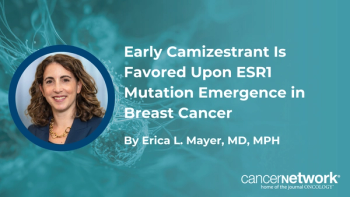
Erica L. Mayer, MD, MPH, explained why oncologists should switch to camizestrant at ESR1 mutation emergence rather than reserve oral SERDs for progression.
Adding atezolizumab to neoadjuvant chemotherapy did not significantly improve EFS in early TNBC, but node-positive and high-TIL subgroups showed benefit.

Lisa Cassileth, MD, FACS, spoke about how mastectomy flap necrosis can delay systemic therapy and radiation, and what teams can do.

Lisa Cassileth, MD, FACS, discussed how BMI and mastectomy flap quality drive MSFN risk more than implant-specimen size difference.

Lisa Cassileth, MD, FACS, explained her initial interpretation of lower mastectomy flap necrosis rates in an upsized implant group.
Advertisement
Advertisement
Trending on CancerNetwork
1
FDA Approves sNDA for Taletrectinib in TKI-Naive Advanced ROS1+ NSCLC
2
IASO208 Receives FDA IND Clearance for Relapsed/Refractory B-Cell Lymphoma
3
SOHO 2026: Key Updates Across the Multiple Myeloma Continuum
4
PALOMA-2 Shows Improved Survival vs Historical IV Amivantamab Data
5