
Opinion|Videos|October 18, 2024
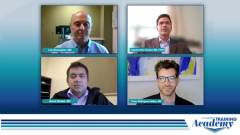
When Is the Right Time? Navigating Key Moments for Referring Multiple Myeloma Patients to an Academic Center
Panelists discuss how the initial process of identifying and referring potential candidates for bispecific therapy from the community setting to an academic center involves careful patient assessment, clear communication channels, and established referral protocols to ensure timely and appropriate treatment initiation.
Advertisement
Episodes in this series
Video content above is prompted by the following:
- Could you describe the initial process of identifying and referring potential candidates for bispecific therapy from the community setting to an academic center?
Advertisement
Related to this article

In a phase 2 trial, CD38-targeted immune-PET detected active multiple myeloma in some patients with no signs of disease on standard fluorodeoxyglucose PET/CT.

“If it is successful, you should be able to access this combination wherever you are,” said Natalie S. Callander, MD, of the UW Carbone Cancer Center.

Data from the phase 3 CERVINO trial support the application for etentamig as a treatment for adults with relapsed or refractory multiple myeloma.
The MagnetisMM-32 trial may support elranatamab as an important option for those whose disease has progressed following anti-CD38 therapy and lenalidomide.
Advertisement
Advertisement
Trending on CancerNetwork
1
Setting Up an HDR Brachytherapy Program Amid a National Decline
2
Zamto-Cel Improves EFS vs R-GemOx in Transplant-Ineligible R/R LBCL
3
Biomarker Sequencing, PD-L1 Status, and FLOT Dosing in Gastroesophageal Cancer
4
CD38-Targeted Immuno-PET Helps Detect Active Multiple Myeloma
5