
A population-based study in Minnesota showed that a recent rapid rise in the incidence of thyroid cancer is attributable to the increased diagnosis of clinically occult, subclinical lesions.
A population-based study in Minnesota showed that a recent rapid rise in the incidence of thyroid cancer is attributable to the increased diagnosis of clinically occult, subclinical lesions.
According to a recent study, treatments aimed at preventing skeletal-related events in patients with advanced cancer and bone metastases could reduce pain and the need for opioids.
Adding pertuzumab to first-line therapy for HER2-positive breast cancer has been shown to yield a survival benefit, but a new analysis says adding the drug is not cost effective.
Preoperative chemotherapy, both with or without concurrent radiotherapy, is feasible among patients with localized, high-risk soft-tissue sarcoma, according to a new phase III trial.
A new laboratory study shows that inhibiting the uptake of certain dipeptides could represent a novel therapeutic approach to inhibiting chronic myeloid leukemia proliferation.
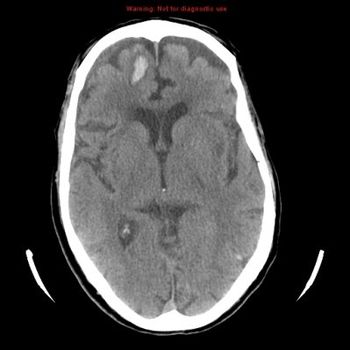
Gross total resection was associated with significantly lower all-cause mortality in patients with atypical and malignant meningioma, according to a new study.

Adding bevacizumab to paclitaxel did not improve outcomes in a phase II trial of patients with angiosarcoma.
The presence of the truncated form of human epidermal growth factor receptor 2 (p95HER2) in circulating tumor cells is associated with poor survival in breast cancer patients.
Often excluded from early trials, adults with high-grade gliomas may be good candidates for solid tumor phase I studies of single agents, according to a new analysis.
A new study identified the molecule known as N1,N12-diacetylspermine as a potential biomarker for early-stage non–small-cell lung cancer.
Both chemotherapy and anti-HER2 therapy can improve survival in HER2-positive breast cancer patients with brain metastases who undergo whole-brain radiotherapy.
Differences in failure-to-rescue rates may explain a wide variation in mortality in patients undergoing lung cancer resection at different hospitals, according to a new study.
Use of the diabetes drug pioglitazone was not associated with a significantly increased risk of bladder cancer, in a large cohort study.
Ponatinib yielded complete cytogenetic responses in most patients with newly diagnosed chronic-phase CML, but the risk of vascular events suggests other agents should first be considered.
New classification guidelines for histologic subtypes of stage I lung adenocarcinoma offer prognostic value, according to a recent study.
Limited resection is not as effective as lobectomy in older patients with early-stage lung cancer, according to a new study.
Treatment of CML with various tyrosine kinase inhibitors can induce changes in glomerular filtration rate over time and have other kidney-related effects.

Results of a study suggest that durable survival is possible in melanoma patients treated with MAPK inhibitors, and is perhaps similar to the survival observed with ipilimumab.
A retrospective study was used to develop nomograms predictive of both metastasis-free and overall survival for patients with nonmetastatic osteosarcoma.

Whole-exome sequencing found that mutations of the NF1 gene are an important driver mutation in melanoma, and the third most frequently mutated gene.
Six carbonyl compounds in exhaled breath can effectively discriminate between lung cancer patients and healthy patients, says a new study.

The FDA approved the proteasome inhibitor carfilzomib for the treatment of multiple myeloma, when used in combination with lenalidomide and dexamethasone.
In a phase I study, gemcitabine given concurrently with fixed-dose EBRT showed promising results following surgery in patients with high-risk soft-tissue sarcoma.
Patients diagnosed with colorectal cancer at younger ages are more likely to have an underlying hereditary syndrome than older patients, according to a new study.
The use of BEAMing technology on circulating DNA to identify multiple mutations in real time could help guide treatment in colorectal cancer patients.
Adding tivantinib to erlotinib improved progression-free survival but not overall survival in patients with previously treated non-small-cell lung cancer.
The FDA has granted Orphan Drug Designation to the immunotherapy DPX-Survivac, which is in development for the treatment of ovarian cancer.
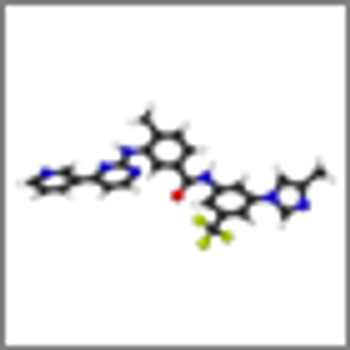
Long-term follow-up of a phase II study shows that nilotinib is highly effective in treating chronic phase CML as a first-line therapy, though with relatively common cardiovascular toxicity associated with treatment.
The use of CT-guided radiofrequency ablation is well tolerated and effective among patients with inoperable stage IA non-small-cell lung cancer.
Patients with CML undergoing treatment with dasatinib had a narrower spectrum of mutations in BCR-ABL1 compared to those treated with imatinib.