

Development of the oral DHX9 inhibitor, ATX-559, has been halted following adverse events in a phase 1/2 trial of patients with metastatic solid tumors.
Development of the oral DHX9 inhibitor, ATX-559, has been halted following adverse events in a phase 1/2 trial of patients with metastatic solid tumors.

A partial clinical hold has been placed on the phase 2 LINNET trial following the report of several serious safety events, including 1 treatment-related death.
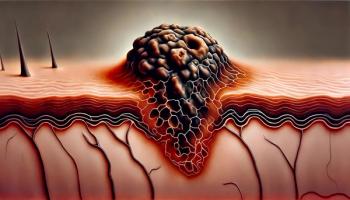
James Larkin, MD, PhD, highlighted toxicities associated with immune checkpoint inhibitors in melanoma at a recent Physicians Education Resource meeting.

SRN-101, an AAV-based immuno-gene therapy, has received fast track designation for the treatment of recurrent high-grade glioma.

First-line nivolumab plus chemotherapy provides a durable survival benefit in advanced gastric cancers, particularly in patients with a PD-L1 CPS of 5 or higher.
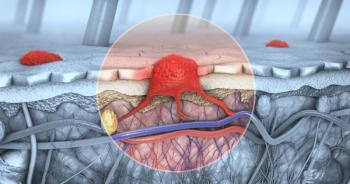
Omid Hamid, MD, presented at the 22nd Annual International Symposium on Melanoma and Other Cutaneous Malignancies on the evolving landscape of perioperative immunotherapy and targeted therapy.
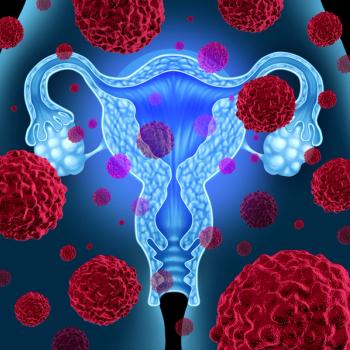
Pembrolizumab/lenvatinib yielded a 40% ORR in patients with recurrent gynecologic clear cell carcinoma, including those with prior anti-angiogenic therapy.

The FDA has cleared an IND application for FG001, allowing the developer to initiate its first US registration trial in patients with high-grade glioma.
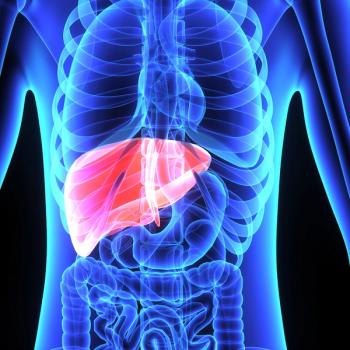
A phase 1 trial evaluating PLT012 in HCC, among other solid tumors, is currently underway and will report safety and preliminary clinical activity data.
Charlotte Ivey Rivers, MD, discussed the importance of rare CNS tumor research, upcoming trial data in meningioma, and the role of functional radiosurgery.
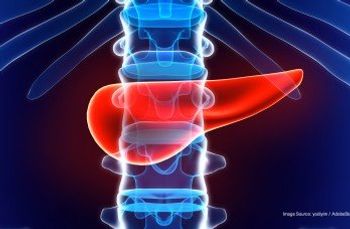
Neoadjuvant mFOLFIRINOX plus nivolumab in borderline-resectable pancreatic ductal adenocarcinoma demonstrated a 100% R0 resection rate.

Phase 2 CRDF-004 findings show that adding onvansertib to FOLFIRI and bevacizumab improves PFS in first-line RAS-mutated metastatic colorectal cancer.

Patient characteristics such as female sex and receipt of pylorus-preserving gastrectomy were protective of gallstone disease risk in those who had gastric cancer.

Encorafenib, cetuximab, and FOLFIRI improved PFS vs in treatment-naive BRAF V600E-mutant metastatic colorectal cancer in the BREAKWATER trial.

Neoadjuvant therapy improves survival for patients with upfront resectable pancreatic cancer and minor PMV abutment vs an upfront surgical approach.

The PRECEDE Consortium is a multidisciplinary effort to drive the earlier detection of pancreatic cancer and raise the survival rate to 50%.
HCB101 in combination with HER2-targeted therapy or ramucirumab plus paclitaxel achieved positive responses among patients with first- and second-line gastric cancer.
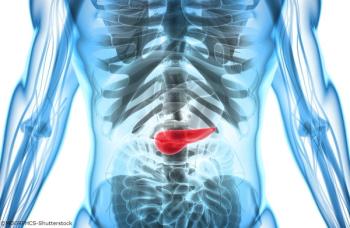
PANOVA-3 findings demonstrated that patients with previously untreated pancreatic cancer experienced better outcomes when adding TTFields to chemotherapy.

Surgical updates for invasive breast cancer from the NCCN Breast Cancer meeting revealed insights on neoadjuvant endocrine therapy and SLNB omission.

Nivolumab improved 9-year recurrence-free survival compared with ipilimumab for resected stage III or IV melanoma in the phase 3 CheckMate 238 trial.
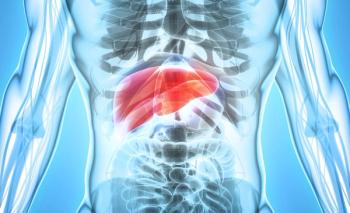
Irpagratinib demonstrated superior survival among patients with hepatocellular carcinoma who were pretreated with ICIs and mTKIs.

Supporting results for zenocutuzumab in patients with NRG1 fusion–positive CCA come from the phase 1/2 eNRGy trial.

Parul Barry, MD, discusses advances such as ultrahypofractionated radiation and the growing role of AI in streamlining workflows for breast cancer care.
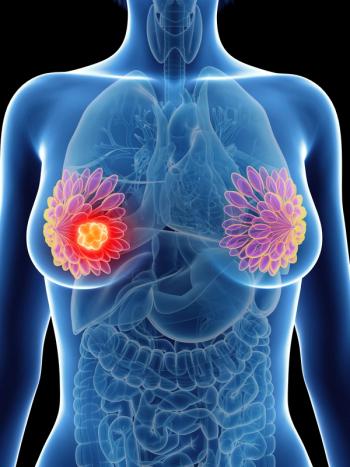
J. Isabelle Choi, MD, outlined evidence-based strategies for radiation dose escalation in locoregionally advanced breast cancer.
Findings from a phase 2 study demonstrate the feasibility of conducting genomically driven trials among patients with meningiomas.
A phase 1/2 trial will evaluate N17350 in patients with pretreated, advanced solid tumors, such as head and neck neoplasms, NSCLC, and melanoma, among others.

Phase 1 QUILT-3.002 data showed that combining an IL-15 superagonist with rituximab achieved a 78% CR rate in those with rituximab-refractory disease.
Treatment with zanzalintinib plus atezolizumab led to improvements in OS and PFS vs regorafenib alone in patients with metastatic colorectal cancer.

Rivoceranib plus camrelizumab achieved a median OS of 23.8 months vs 15.2 months with sorafenib alone in patients with unresectable hepatocellular carcinoma.

Intensive surveillance and surgical resection for hepatic metastases from uveal melanoma improved long-term remission in a retrospective study.