
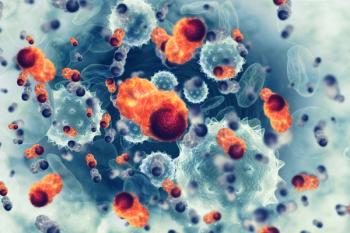
Data from a phase 1 trial validate FcRH5 as a “good target” in multiple myeloma therapy, according to Adam D. Cohen, MD.
Data from a phase 1 trial validate FcRH5 as a “good target” in multiple myeloma therapy, according to Adam D. Cohen, MD.

Adding mFOLFOX6 and bevacizumab to atezolizumab cut the risk of progression or death by 58% vs atezolizumab alone in dMMR/MSI-H metastatic colorectal cancer.
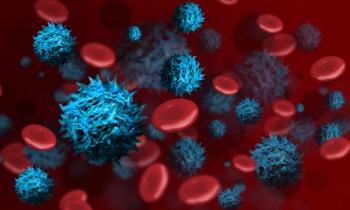
Cema-cel received RMAT and fast track designations for first-line consolidation therapy in MRD-positive large B-cell lymphoma based on phase 2 ALPHA3 data.

In part 1 of a 2-part interview, Frank McCormick, PhD, discusses the technical hurdles that made KRAS resistant to drug development, the NCI's RAS Initiative, and the RASolute 302 data.
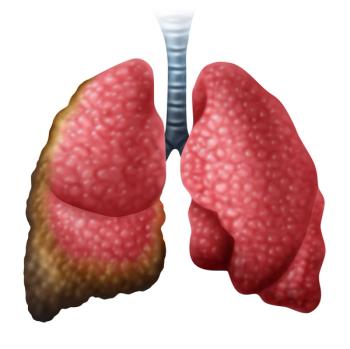
Data from a first-in-human phase 1 trial assessing ISM6331 in mesothelioma and other solid tumors will be presented at the ESMO Congress 2026.
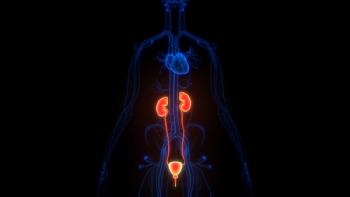
Key genitourinary oncology updates emerged from ASCO 2026, focusing on balancing efficacy and AEs.

Final phase 3 BOND-003 Cohort C results showed a 75.5% complete response rate with cretostimogene grenadenorepvec in BCG-unresponsive NMIBC.

Risvutatug rezetecan improved progression-free survival in the phase 3 ARTEMIS-011 trial for patients with relapsed osteosarcoma.
No adverse effects or injuries associated with the presence of particulate matter in 3 lots of injectable cyclophosphamide have been reported to date.
As the FDA's ODAC prepares to weigh in ahead of an August 2, 2026, decision date, take a look at RP1's clinical trial and regulatory journey.
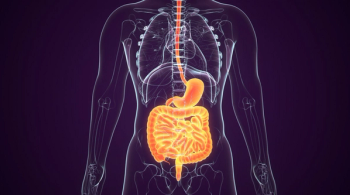
Sonesitatug vedotin met dual primary survival end points in the phase 3 CLARITY-Gastric01 trial in CLDN18.2-positive gastric/GEJ cancer.
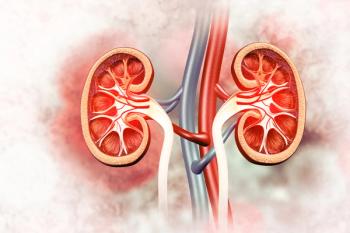
Health-related quality of life was comparable between belzutifan plus lenvatinib and cabozantinib among those with previously treated renal cell carcinoma.

In a phase 3 trial, ensartinib raised the 24-month disease-free survival rate to 86.4% vs 53.5% with placebo in patients with resected ALK-positive NSCLC.

"I can’t make [treatment] decisions for you, but I can give you realistic expectations," said Herbert Lepor, MD, of NYU Langone Health.
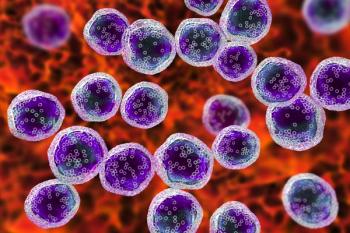
A multidisciplinary panel discussed second-line CAR T-cell candidacy, real-world referral barriers, and the management of delayed toxicities in DLBCL.
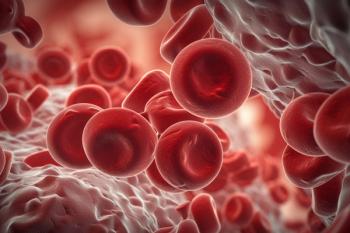
Among evaluable patients with B-cell NHL from the dose-escalation portion of the trial without CNS involvement, all CRs were sustained through 6 months.

Based on phase 2 data, adding consolidative thoracic radiation cannot be recommended outside of clinical trials for unselected patients with ES-SCLC.

Nikesh Shah, MD, discussed the specific factors that shape the choice between a bispecific and CAR T-cell therapy in follicular lymphoma.

TALAPRO-3 trial findings support the regulatory decision for the talazoparib-based regimen in HRR-altered metastatic castration resistant prostate cancer.
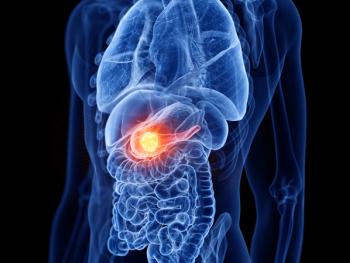
The FDA has accepted the new drug application for daraxonrasib in metastatic pancreatic ductal adenocarcinoma based on results from the phase 3 RASolute 302 study.

Data from the phase 3 MonumenTAL-6 trial demonstrate the potential to target BCMA and GPRC5D simultaneously in multiple myeloma care.
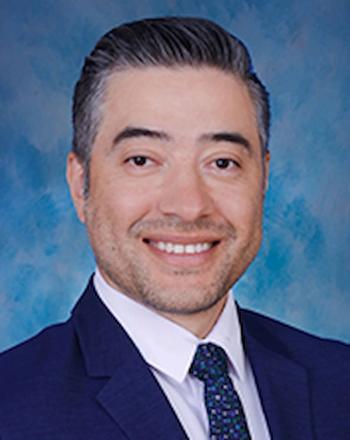
Carlos Silva Rondon, MD, of Moffitt Cancer Center discussed factors guiding selection between CAR T therapy or bispecific antibodies in follicular lymphoma.
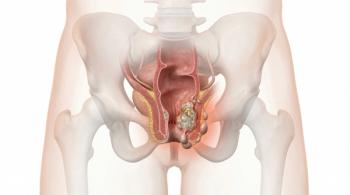
Fast track designation supports pelareorep's development for anal cancer that progresses after first-line checkpoint inhibitor-based therapy.
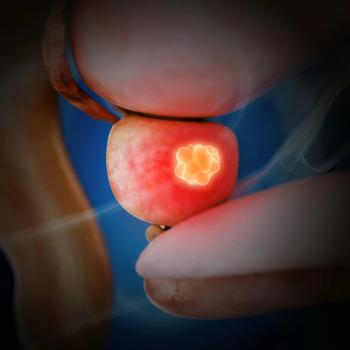
Investigators will evaluate carotuximab plus radium-223 to overcome treatment resistance in metastatic CRPC with bone metastases.
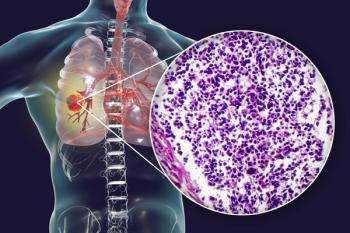
Updated phase 3 HARMONi trial data show ivonescimab plus chemotherapy improves overall survival in Western and Asian EGFR-mutant NSCLC groups.
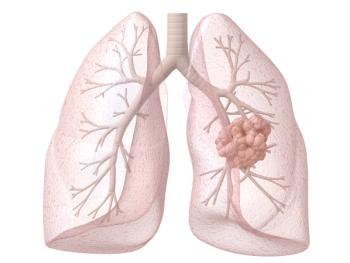
Exploratory data showed that serplulimab maintenance or continuation beyond initial progression may yield incremental survival benefits in ES-SCLC.
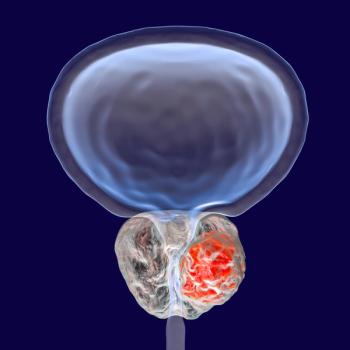
A 10-year analysis of 3477 patients found low prostate cancer–specific mortality with focal high-intensity focused ultrasound or cryotherapy for nonmetastatic disease.
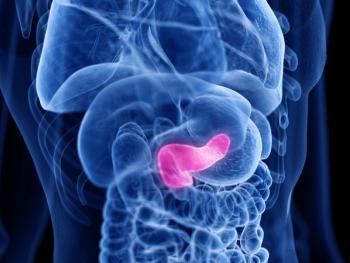
A peptide vaccine targeting KRAS variants was safe and produced durable T-cell responses in individuals with hereditary predisposition for pancreatic ductal adenocarcinoma.
Patients with a multiple myeloma relapse within 36 months of up-front quadruplet therapy and transplantation should be prioritized for immunotherapy, said Gayathri Ravi, MD.

Traditional acupuncture plus auricular acupressure improved overall quality of life among patients with HNSCC undergoing radiotherapy.