

The phase 3 HARMONi-6 trial showed ivonescimab plus chemotherapy significantly improved OS vs tislelizumab plus chemotherapy in advanced squamous NSCLC.
The phase 3 HARMONi-6 trial showed ivonescimab plus chemotherapy significantly improved OS vs tislelizumab plus chemotherapy in advanced squamous NSCLC.

FOLFIRI is viable as a chemotherapy backbone with the BREAKWATER regimen as a treatment for patients with frontline BRAF V600E-mutant metastatic colorectal cancer.
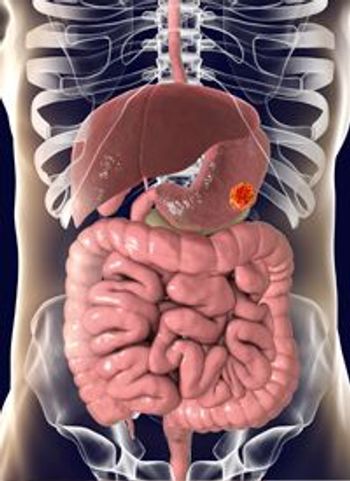
Data from the phase 3 CIRCULATE trial may justify ctDNA-guided treatment escalation strategies in pMMR stage II colon cancer.
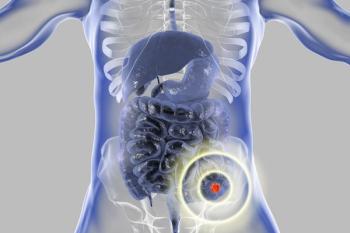
A remote mobile health intervention tripled the odds of CRC screening completion in at-risk childhood cancer survivors in the randomized ASPIRES trial.
Patients in this multiple myeloma population who received DVRd achieved an overall MRD-negativity rate at 10–5 sensitivity of 61.1% vs 40.0% with VRd.
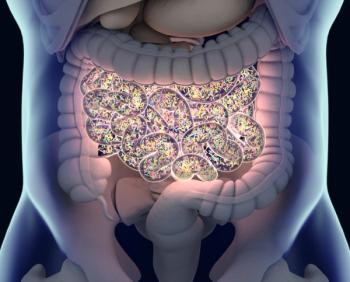
Serial ctDNA assessment after 3 months of adjuvant chemotherapy stratified recurrence risk and identified which patients with resected CRC benefit from extended treatment.

A personalized neoantigen vaccine plus an anti-PD-1 was feasible, safe, and generated durable anti-tumor immune responses in newly diagnosed glioblastoma.

In the phase 3 PEAK trial, bezuclastinib plus sunitinib produced a median PFS of 16.5 months vs 9.2 months for sunitinib monotherapy in advanced GIST.
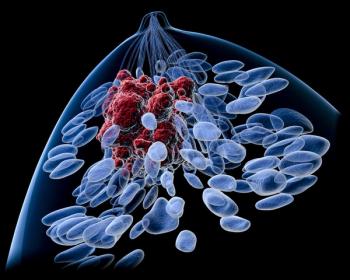
The assay may identify a group comprising approximately two-thirds of patients who do not have a meaningful chance of benefit from adjuvant chemotherapy.

Teclistamab monotherapy significantly improved PFS and OS vs investigator's choice in the phase 3 MajesTEC-9 trial in RRMM.

Yelena Y. Janjigian, MD, presented safety findings from DESTINY-Gastric03 at the 2026 ASCO Annual Meeting in HER2-expressing advanced gastric, GEJ, or esophageal adenocarcinoma.

A deep learning analysis of tumor microenvironment features using QuantCRC and ctDNA improved prognostic discrimination in stage III colon cancer.

The 48-month OS rate was 78.6% with pembrolizumab vs 60.4% with placebo among patients with advanced or recurrent endometrial cancer.

Delaying cytoreductive surgery until after 6 cycles of neoadjuvant chemotherapy did not improve DFS vs interval surgery after 3 cycles in patients with advanced high-grade epithelial ovarian cancer.

Long-term follow-up from the phase 3 RUBY trial revealed a 54% estimated cure rate with the dostarlimab combination in dMMR/MSI-H primary advanced or recurrent endometrial cancer.

Saum Ghodoussipour, MD, suggested that advances in liquid biopsy tracking, next-generation ADCs, and organ-sparing approaches may be featured at ASCO 2026.
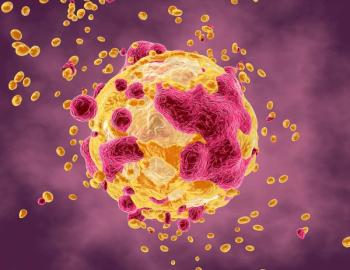
The regulatory submission was supported by results from the phase 3 PEAK trial which evaluated the combination against standard second-line monotherapy.

Nathan Goodyear, MD, explained why exercise must be treated as a precise, prescribable therapy in oncology to combat AEs and improve long-term survival.

Sonikpreet Aulakh, MBBS, MD, discussed the shift toward multiomic personalization and tumor microenvironment reprogramming in neuro-oncology.
Explore key insights on operationalizing bispecific antibodies in community oncology, outpatient step-up dosing, and shared staffing infrastructure.
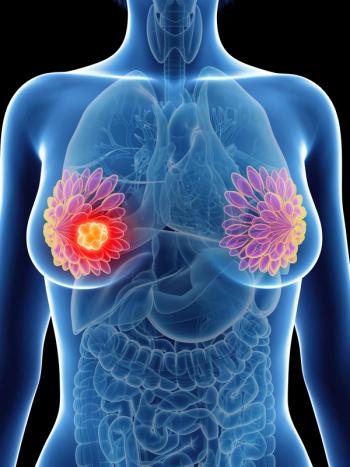
The FDA extends camizestrant review. Plus, promising Bria-IMT survival data and a ctDNA blood test that spots breast cancer recurrence 4 years early.

Findings from a cohort study demonstrated that coexposure to a COVID-19 mRNA vaccine within 90 days of anti–PD-(L)1 treatment improved OS in patients with cancer.

Nathan Goodyear, MD, discussed how structured exercise programs can reprogram the tumor immune microenvironment and enhance therapeutic efficacy.

The FDA has approved the updated Guardant360 Liquid CDx, a blood-based cancer test combining genomic and epigenomic analysis, across multiple tumors.
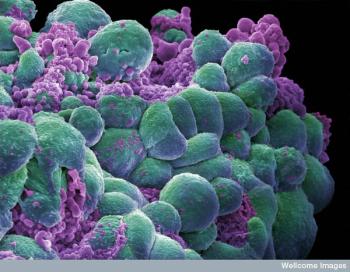
Sac-TMT demonstrated a significant improvement in PFS vs chemotherapy as first-line treatment for unresectable locally recurrent or metastatic TNBC.

The approval, based on the phase 3 TROPION-Breast02 trial, marks a significant shift in the first-line treatment of patients with mTNBC.

See which trials in lung, gastrointestinal, and genitourinary cancers to be on the lookout for at 2026 ASCO.

A telephone-based weight loss intervention from the phase 3 BWEL trial improved physical function, fatigue, and social role outcomes vs health education alone in patients with stage II to III breast cancer and BMI of at least 27.

The ArteraAI Prostate Test is now available to predict mortality risk and guide treatment for metastatic hormone-sensitive prostate cancer.
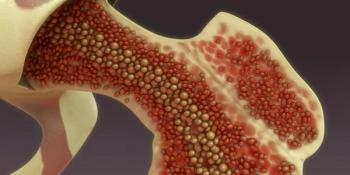
The FDA has granted rare pediatric disease designation and orphan drug designation to FL118 for the treatment of osteosarcoma.