
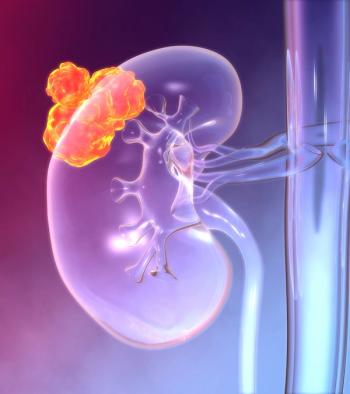
In a phase 2 trial, pembrolizumab/denosumab produced a 31% objective response rate in patients with pretreated advanced clear cell renal cell carcinoma.
In a phase 2 trial, pembrolizumab/denosumab produced a 31% objective response rate in patients with pretreated advanced clear cell renal cell carcinoma.

Laura Alder, MD, discussed a retrospective analysis evaluating tarlatamab’s efficacy and safety in patients with SCLC and brain metastases excluded from DeLLphi-304.

Men with disabilities were less likely to have received prior PSA testing than men without disabilities, with mobility disability showing the most consistent association.

Detailed findings from the phase 3 DESTINY-Lung04 trial will be presented at a future medical meeting and shared with regulatory health authorities.
The FDA has cleared an investigational new drug application for C-CAR039, a CD19/CD20 bispecific CAR T-cell therapy, in relapsed/refractory large B-cell lymphoma.

In a retrospective cohort study, neoadjuvant chemoimmunotherapy produced a deep pathologic response in 67.0% of patients with resectable HNSCC.

The FDA has granted OncoSil Medical a humanitarian device exemption for its intratumoral radiation device in unresectable, non-metastatic distal cholangiocarcinoma.
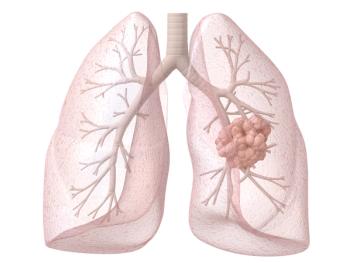
The phase 3 eVOLVE-Lung02 trial will halt after an independent committee concluded that volrustomig plus chemotherapy was unlikely to improve survival.

A new ASTRO clinical practice guideline expands radiotherapy recommendations across resectable, locally advanced, recurrent, and metastatic pancreatic cancer.

Barbara Burtness, MD, discussed the biological rationale for dual EGFR/MET targeting and how the OrigAMI-4 data may reshape treatment workflows for HNSCC.
A multidisciplinary panel discussed CAR-T candidacy and second-line treatment sequencing for patients with relapsed/refractory DLBCL.
NETTER-2 findings showed a consistent reduction in the risk of progression or death with first-line lutetium Lu 177 dotatate in advanced GEP-NETs groups.

Investigators will submit full results from the REZILIENT3 trial assessing zipalertinib in EGFR-mutated NSLCC at a future international medical meeting.

Final DeFianCe trial results showed baseline plasma DKK1 predicts deepening sirexatamab benefit in second-line colorectal cancer.

Phase 1b study data show that izalontamab brengitecan produced a 48.1% objective response rate in previously treated extensive-stage small cell lung cancer.

Black women with epithelial ovarian cancer who lived in socially vulnerable neighborhoods had significantly worse survival than White women in similar areas.

The FDA approved the PGDx elio tissue complete CDx to identify patients with advanced melanoma with BRAF V600E/K variants eligible for targeted therapy.

ARNT expression was consistent across RCC subtypes and was not associated with survival in a real-world analysis, according to Yu-Wei Chen, MD, MS.
In a phase 1 dose-escalation trial, duvelisib plus azacitidine produced a 46% overall response rate in relapsed/refractory T-cell lymphoma.

The phase 2 SANRECO trial met its primary end point, with 88% of this polycythemia vera population achieving a response with divesiran vs 19% with placebo.
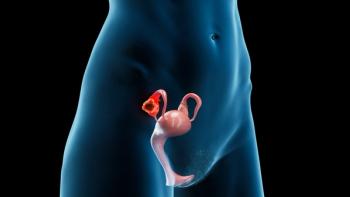
Age of 35 years or older, stage III/IV disease, and nondysgerminoma histology were linked with worse cancer-specific survival in malignant ovarian germ cell tumors.

Ami Shah, MD, Megan Kruse, MD, and Ruta Rao, MD, discuss DESTINY-Breast09, -11, and -05 data on trastuzumab deruxtecan in HER2-positive breast cancer.

City of Hope’s national clinical trials model can activate a study across a network of 40 sites in 4 states within 90 days, according to Edward Kim, MD, MBA.

The FDA granted fast track designation to BI-1808 plus pembrolizumab, which produced a 24% confirmed ORR in pretreated platinum-resistant ovarian cancer.
Updated results from the phase 2 ELIANA trial support tisa-cel as definitive therapy for pediatric and young adult patients with relapsed/refractory B-ALL.

Allegheny Health Network Department of Urology is offering a gemcitabine intravesical system to provide the therapy for BCG-unresponsive NMIBC.

In a phase 1b/2 trial, epcoritamab plus bendamustine/rituximab produced a 96% complete response rate in patients with untreated follicular lymphoma.
The FDA has approved RP1 plus nivolumab for adults with advanced melanoma who progressed on anti–PD-1 therapy.
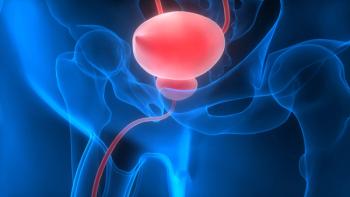
A phase 2/3 trial will evaluate enfortumab vedotin plus either ivonescimab or pembrolizumab as frontline therapy for locally advanced/metastatic bladder cancer.

In a study, Black and Hispanic parents were largely willing to enroll children in oncology trials, while clinicians cited hardship and gatekeeping as barriers.