

The agency set a Prescription Drug User Fee Act target action date for January 6, 2027, for patients with NMIBC with papillary tumors without CIS.
The agency set a Prescription Drug User Fee Act target action date for January 6, 2027, for patients with NMIBC with papillary tumors without CIS.
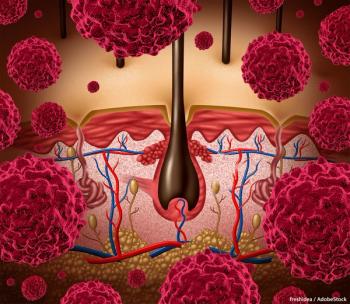
Statistical significance was not met with either dose level of fianlimab plus cemiplimab compared with the control arm for patients with advanced melanoma.
Investigators evaluated how subcutaneous isatuximab affected workflow and safety for patients with multiple myeloma.

Based on data from the DESTINY-Breast11 and DESTINY-Breast05 trials, the FDA has approved T-DXd as neoadjuvant and adjuvant treatment for patients with HER2-positive early breast cancer.

Researchers evaluated how a yoga intervention impacted cancer-related fatigue levels among patients undergoing active treatment for solid tumors.
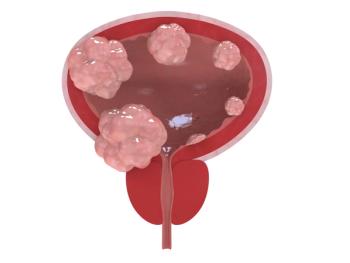
Nurses at Johns Hopkins Nursing utilized a checklist for the chemotherapy gel administration via nephrostomy tube in patients with urothelial cancer.

Cedars-Sinai investigators transitioned hematology-oncology units to progressive care models to improve safety for patients receiving immunotherapy.

A total of 100 RNs successfully completed the full chemotherapy training program during the 2024 and 2025 evaluation periods.

Results from the phase 3 VOLGA trial demonstrate that perioperative durvalumab plus neoadjuvant enfortumab vedotin significantly improved EFS and OS in MIBC.

Dana Chase, MD, discussed recent shifts in second-line endometrial cancer care, the role of molecular testing, and the potential of antibody-drug conjugates.

Hua-Jay Cherng, MD, explored how ctDNA and MRD are shifting from theoretical markers to actionable clinical tools in DLBCL.

Steven M. Horwitz, MD, discussed the PRIMO dosing strategy to manage adverse effects in lymphoma.

The FDA has granted RMAT designation to RZ-001, a first-in-class RNA trans-splicing ribozyme gene therapy, for the management of hepatocellular carcinoma.
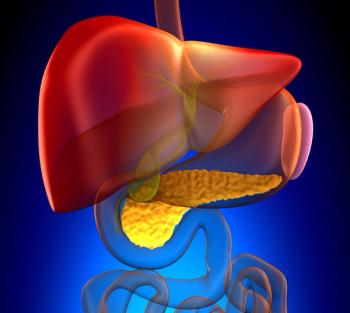
Data from the phase 1/2 RMC-6236-001 trial show that the RAS(ON) multiselective inhibitor daraxonrasib yielded responses in pretreated RAS-mutated PDAC.

Ralph V. Boccia, MD, FACP, discussed the operational hurdles of administering bispecific antibodies in community settings.

Jennifer Effie Amengual, MD, discussed using epigenetic drugs to enhance immune surveillance and other novel lymphoma therapeutic strategies.

Mohamed Adam, MD, discusses switching from open to robotic Whipple procedures and the impending integration of AI-driven navigation in surgical oncology.

The FDA’s decision is based on data from the phase 1/2 eNRGy trial, which demonstrated that zenocutuzumab yielded responses in NRG1+ cholangiocarcinoma.

The ASPHO Conference brings together the world’s leading experts in pediatric oncology and hematology, and this collection of posters detail new findings in care.

PSA score at 24 weeks was the strongest predictor of survival, with a PSA concentration of 0.2 ng/mL or less predicting favorable outcomes in this group.
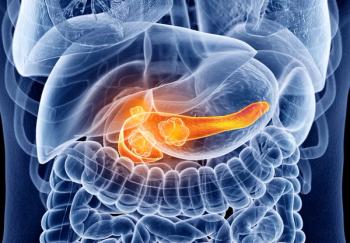
Philip Blumenfeld, MD, discussed the feasibility of radium 224 Alpha DaRT sources delivered via endoscopic ultrasound for patients with pancreatic cancer.

Craig H. Moskowitz, MD, discussed the transition toward molecularly defined lymphoma care and the declining role of autologous stem cell transplantation.

The FDA issued a “safe to proceed” letter for an expanded access program for daraxonrasib in metastatic pancreatic ductal adenocarcinoma.

Hiba Siddiqui, BSc, of Dana-Farber discussed how targeting the CD44-SPP1 axis may overcome therapy resistance in muscle-invasive bladder cancer.

The ODAC has noted there was no clinical benefit of camizestrant for patients with HR+/HER2– advanced or metastatic breast cancer with ESR1 mutation and radiographic progression.

The FDA granted priority review to tislelizumab plus zanidatamab and chemotherapy for the first-line treatment of advanced HER2-positive gastric cancers.

Shikha Gupta, PhD, discussed the biology of tRCC and the mechanistic rationale behind combining CDK4/6 inhibition with selective mTORC1 targeting.

The conditional marketing authorization for tovorafenib in pediatric patients with low-grade glioma harboring a BRAF alteration is based on data from the FIREFLY-1 trial.

Alex Herrera, MD, analyzed the SWOG S1826 trial, highlighting how nivolumab plus AVD improved survival and reduced AEs in advanced Hodgkin lymphoma.
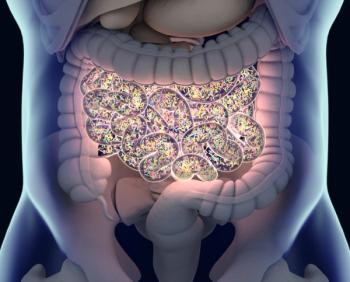
Updated interim data from a phase 1/2 study of the DR5 agonist ozekibart plus FOLFIRI demonstrated a 20% ORR and 87% DCR in late-line colorectal cancer.