

“We want to make sure we are not producing a financial burden for patients in exchange for that convenience [with subcutaneous therapies],” said J. Thaddeus Beck, MD, FACP.
“We want to make sure we are not producing a financial burden for patients in exchange for that convenience [with subcutaneous therapies],” said J. Thaddeus Beck, MD, FACP.

Ayal Aizer, MD, MHS, discussed Alliance A071801 trial data favoring fractionated SRS over single-fraction SRS after brain metastasis resection.

In the phase 3 Alliance A071801 trial, postoperative fractionated SRS improved surgical bed control vs single-fraction SRS without added toxicity.
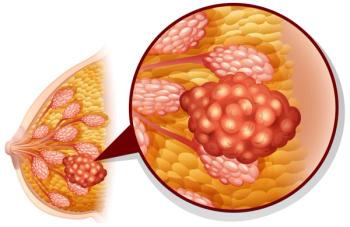
In the phase 3 evERA trial, interim overall survival data showed a positive trend in favor of giredestrant/everolimus vs endocrine therapy plus everolimus.

“We are not just treating the cancer; we are treating the patient,” said Marcio A. Fagundes, MD.

Poster presentations at IMS 2026 highlighted the use of venetoclax, daratumumab, and different combination regimens across various treatment settings.
Developers have resubmitted the biologics license application for tabelecleucel following feedback from a Type A meeting in April 2026.

At 8 years, SBRT and radical prostatectomy had similar disease control in the PACE-A trial, with less urinary incontinence after SBRT.

“When we give the most effective therapy at the time of new diagnosis, we get the most value out of the effort and time that we and our patients are spending,” said Neeraj Agarwal, MD, FASCO.

An aglatimagene besadenovec-based radiotherapy combination increased intratumoral lymphocyte fraction in intermediate- to high-risk localized prostate cancer.

The ROADS investigators reported no differences between cesium-131 tile-based radiation therapy and SRT in quality of life, functional status, or neurocognitive function.
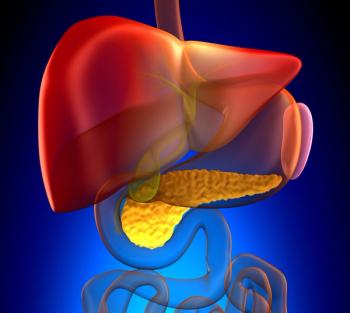
William A. Hall, MD, discussed the SOFT Preop study of preoperative SBRT vs conventional chemoradiation for pancreatic adenocarcinoma.

“It should be protocol that 100% of your patients with metastatic prostate cancer get germline testing. Full stop. No exceptions,” said Neal D. Shore, MD, FACS.

In the phase 3 NRG-CC009 trial, SRS led to longer overall survival vs HA-WBRT plus memantine with similar neurocognitive failure in SCLC brain metastases.

In a phase 1 first-in-human trial, BMS-986453 showed a favorable safety profile and high response rates in relapsed/refractory multiple myeloma.
Extended belantamab mafodotin dosing intervals were associated with maintained vision-related function in the phase 1 DREAMM-9 study.
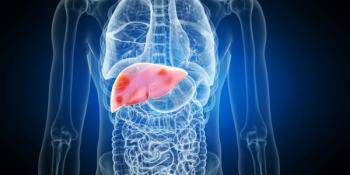
The phase 3 NRG-GI003 trial showed no overall survival benefit with proton therapy over photon therapy in patients with advanced hepatocellular carcinoma.

In a secondary analysis of the DEPROMP trial, 94.8% of biopsy-naive men had no AEs immediately after multimodal MRI- and PSMA PET/CT–guided prostate biopsy.

10-year CHN HYPOPMRT data show 3-week postmastectomy RT with nodal irradiation maintains locoregional control without added severe late toxicity.

Andy Liao, MD, discusses KRAS-targeted strategies, molecular profiling, multidisciplinary care, and FGFR2 inhibitor sequencing in cholangiocarcinoma.

“To me, the biggest differentiator might be how the patient wants to experience care,” said Krish Patel, MD, on treatment options for patients with lymphoma.
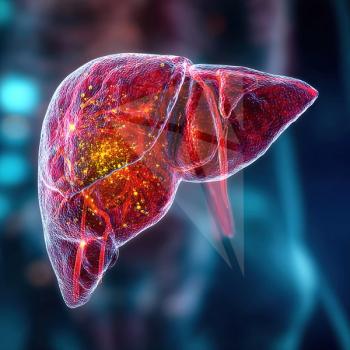
A personalized ctDNA assay demonstrated 100% specificity but limited sensitivity for detecting recurrence after liver transplantation in HCC and CCA.
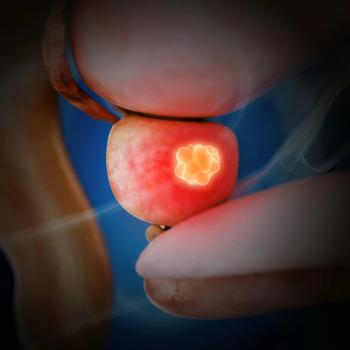
The FDA cleared the SpaceOAR Flex System, a hydrogel spacer used during prostate cancer radiotherapy, in a 510(k) supported by the HYDROSPACE trial.

Phase 2 ASPEN-06 data showed higher response rates with evorpacept added to trastuzumab, ramucirumab, and paclitaxel in HER2-positive gastric cancer.

In 62 patients with ICI-naive HPV16-Positive HNSCC, 17.7% experienced grade 3 or 4 treatment-related adverse events.
A patient-reported outcomes analysis from the phase 3 IRAKLIA trial showed higher satisfaction with subcutaneous isatuximab via on-body injector.

The phase 3 EXCALIBER-RRMM trial supports iberdomide plus daratumumab and dexamethasone as a new standard of care in relapsed/refractory multiple myeloma.
In the phase 3 CERVINO trial, etentamig showed an early overall survival signal in patients with triple-class exposed relapsed/refractory multiple myeloma.

In the phase 2 IBEX trial, iberdomide plus subcutaneous daratumumab post-transplant maintenance improved MRD status in patients with multiple myeloma.

Elizabeth Thompson, MD, discusses pediatric cancer, proton therapy, and her work as a peer reviewer for CURiE.