The FDA cleared TriSalus’s TriNav Advance device, which extends the SmartValve-based drug delivery technology to improve tumor penetration during liver embolization.
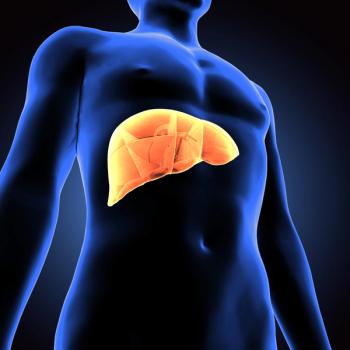
The FDA has granted RMAT designation to RZ-001, a first-in-class RNA trans-splicing ribozyme gene therapy, for the management of hepatocellular carcinoma.
The FDA has granted regenerative medicine advanced therapy (RMAT) designation to RZ-001 for the treatment of patients with hepatocellular carcinoma (HCC), according to a news release from the developer, Rznomics Inc.1 RZ-001 is designed to selectively target hTERT-expressing cancer cells, replacing tumor-specific hTERT RNA with a therapeutic transgene to induce apoptosis.2
Seong-Wook Lee, PhD, chief executive officer and founder of Rznomics, stated, “Receiving RMAT designation for RZ-001 is a profound validation of the innovation and competitiveness of our RNA editing platform by the FDA. We will concentrate our resources on global development and commercialization to provide a breakthrough therapeutic option in the field of HCC, where unmet medical needs remain exceptionally high.”1
The FDA’s decision comes following the efficacy of RZ-001 highlighted in a phase 1b/2a trial (NCT06695026) shared at the
Preliminary clinical activity for RZ-001 was highlighted in an updated data cutoff of April 8, 2026, from an ongoing phase 1b/2a study involving 13 evaluable patients. According to RECIST v1.1 criteria, the objective response rate (ORR) was 38.5% (n = 5/13), which included confirmed complete responses (CRs) in early cohorts. When including unconfirmed CRs and partial responses, the ORR was 46.2% (n = 6/13). When evaluated by mRECIST criteria, the ORR increased to 61.5% (n = 8/13).
Antitumor activity appeared rapid and durable, including 3 responses ongoing at 36 weeks and 2 responses ongoing at 30 weeks, as of the analysis. The best change from baseline in target lesion size reached 100% reduction in 1 patient using RECIST v1.1 criteria and 5 patients using mRECIST criteria.
The multicenter, open-label, randomized phase 1b/2a trial was designed to evaluate the safety, tolerability, and efficacy of RZ-001 in combination with valganciclovir (Valcyte) and the standard-of-care regimen of atezolizumab (Tecentriq) and bevacizumab (Avastin). The study employed a dose-escalation framework across 3 cohorts, testing RZ-001 at concentrations of 1x10¹¹ VP/mL, 3x10¹¹ VP/mL, and 1x10¹² VP/mL. RZ-001 was administered via a single intratumoral injection on day 1, followed by oral valganciclovir at 900 mg twice daily from days 2 through 22. Systemic therapy consisted of atezolizumab at 1200 mg and bevacizumab at 15 mg/kg administered every 3 weeks for up to 2 years.
Eligibility criteria required patients to have histologically confirmed, unresectable HCC with BCLC stage B or C disease. Patients must have been naive to prior systemic therapy, refractory or unsuitable for transarterial chemoembolization, and have confirmed hTERT expression in tumor tissue as determined by a central assay.
The primary end points of the study were safety, tolerability, and target lesions per RECIST v1.1 and HCC mRECIST criteria.
The safety analysis included 13 patients treated across the dose-escalation cohorts, and no dose-limiting toxicities were reported. While all patients (100%) experienced at least 1 treatment-emergent adverse event (TEAE), the majority of events were grade 1 or 2. Grade 3 or higher TEAEs occurred in 53.8% (n = 7/13) of the population, while grade 3 treatment-related AEs (TRAEs) were observed in 30.8% (n = 4/13) of patients.
Of note, no grade 4 or 5 TRAEs were observed, and the incidence of serious TRAEs was 7.7% (n = 1/13). No modifications were necessary for RZ-001 dosing, though 15.4% each of patients permanently discontinued atezolizumab and bevacizumab due to TEAEs.