Cancer Network Staff
Advertisement
Articles by Cancer Network Staff

Patients with extensive-stage small cell lung cancer show greater response when atezolizumab is added to carboplatin and etoposide versus placebo in the IMpower133 trial.
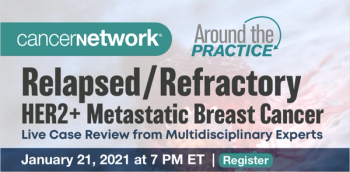
Register for CancerNetwork's live, interactive event featuring leaders in oncology reviewing and discussing patient cases in breast cancer.
With the rise of precision oncology, genomic profiling is growing in its utility to support clinical decision making. Lung cancer experts can use this resource to guide therapy selection in NSCLC. Learning more about advancements in this space can improve patient outcomes and advance the field of precision oncology.



The use of PARP inhibitors in frontline maintenance therapy has greatly reduced the risk of recurrence in patients with ovarian cancer.

CancerNetwork® spoke with Ahmet Murat Aydin, MD, about a study designed to evaluate bipolar radiofrequency ablation.

Establishing a multidisciplinary oral chemotherapy clinic in a community hospital is feasible and could help reduce emergency department visits, recognize adverse events earlier, and improve staff and patient satisfaction.
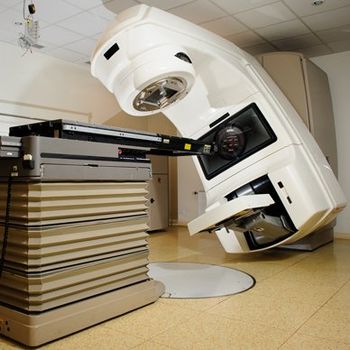
A study found that several disease- and treatment-specific factors are associated with an increased risk of near misses or safety incidents in patients undergoing radiation therapy.

The use of several simple improvement measures including a “chemotherapy huddle” can result in a marked, sustained reduction in chemotherapy errors in a pediatric oncology setting.

A substantial portion of emergency department visits by patients undergoing cancer treatment may be preventable, and those potentially preventable visits account for a high percentage of the emergency department visit costs.
The use of a customized clinical pathways program that helps manage complexity and guide decisions resulted in a sharp decrease in costs per patient in an analysis of stage IV non–small-cell lung cancer.
Advertisement
Advertisement
Advertisement
Trending on CancerNetwork
1
CELMoDs After T-Cell–Engaging Therapy in Multiple Myeloma
2
Key Takeaways for Multidisciplinary Lung Cancer Care From WCLC 2026
3
Neoantigen Vaccine Shows Encouraging Activity in Head and Neck Cancer
4
Pembrolizumab/Enfortumab Vedotin Earns Positive CHMP Opinion in MIBC
5