Advancing Neuro-Oncology at ASCO: What To Know Before You Go
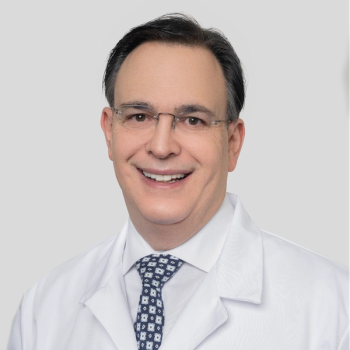
Sonikpreet Aulakh, MBBS, MD, discussed the shift toward multiomic personalization and tumor microenvironment reprogramming in neuro-oncology.
As the neuro-oncology community reflects on the advancements of the past year and looks toward upcoming clinical data at the
CancerNetwork: Looking back at the last 12 months, what is the biggest shift you have observed across neuro-oncology?
Aulakh: The field has moved decisively from empiric one-size-fits-all approaches to TMEreprogramming and multiomic personalization as core therapeutic strategies. We are no longer just describing the immunosuppressive microenvironment; we are beginning to therapeutically dismantle it. The standout example this year is the phase 1 NeoVax-pembrolizumab [Keytruda] data where ex vivo neoantigen-specific T-cell responses correlated with improved overall survival.1 Complementary mechanistic work on gap junction inhibition to restore cuproptosis and [to overcome] radioresistance shows how precisely targeting intercellular communication and metabolic vulnerabilities can sensitize glioblastoma. Even imaging is catching up. FET-PET’s histopathology-validated superiority over contrast-enhanced MRI for true tumor extent gives us a far better window into the infiltrative TME. These advances mark a genuine inflection point where biology is finally informing bedside decisions.
As we head into ASCO 2026, how would you characterize the current mood of the neuro-oncology field?
Cautiously optimistic with real momentum but grounded in realism. There is a genuine excitement around emerging data in immunotherapy combinations, IDH-mutant glioma management, and real-world applications of established therapies. At the same time, we continue to confront persistent challenges, including geographic and economic access to specialized neuro-oncology care. Overall, the mood is that progress is accelerating, but we must translate these insights faster and more equitably across all patient populations.
For ASCO this year, what abstract are you most looking forward to seeing across central nervous system (CNS) tumors?
With over 86 poster presentations in the CNS tumors track this year, plus several important oral and rapid oral abstracts, there is a tremendous breadth of work on display. I am particularly eager for the long-term vorasidenib [Voranigo] quality of life and seizure data—it’s likely practice-changing for IDH-mutant gliomas—and the neoadjuvant fractionated stereotactic radiotherapy plus resection strategy for brain metastases, which smartly addresses local control, leptomeningeal disease risk, and radiation necrosis.2,3
In glioma and glioblastoma specifically, I am excited about the NeoVax personalized neoantigen vaccine in combination with pembrolizumab. That stands out as it directly demonstrates TME reprogramming into immunogenicity and survival benefits in responders. The HEG1/Cx43 interaction work elegantly links gap junction-mediated copper flux to radioresistance and cuproptosis blockade.4 FET-PET’s histopathology-validated superiority for tumor visualization is a major step forward for precise targeting.5 The AI knowledge-distilled EfficientNet model for rapid, scalable glioma diagnosis addresses real-world implementation barriers.6 Conditional survival analysis and tumor treating field outcomes in patients with poor performance status add important pragmatic layers.7 These abstracts collectively highlight the powerful convergence of mechanistic insight, advanced technology, and clinical pragmatism that the field needs.
If you were to identify one emerging trend to keep a close eye on throughout the meeting, what would it be?
The convergence of spatial and multiomic TME profiling with rationally designed cellular and microenvironment-targeted therapies. We are seeing this clearly in the NeoVax data; neoantigen-specific T-cell responses tied to survival, gap junction disruption, and neoantigen-specific adoptive T-cell approaches. This is the direction the field is heading: moving beyond broad checkpoint blockade toward more precise, patient-specific reprogramming of the glioblastoma ecosystem.
Immunotherapy has been historically challenging in glioblastoma/CNS malignancies. What approaches are necessary to move the needle?
We need 3 interlocking pieces. One: superior patient selection using tumor microenvironment biomarkers and multiomics rather than generic markers. Two: rational combinations that actively reprogram the immunosuppressive microenvironment, whether through neoantigen vaccines, targeted disruption of pathways to restore cuproptosis, or other tumor microenvironment-modulating agents. And three: innovative delivery methods and trial designs, including local-regional cellular therapies, blood-brain barrier opening technologies, and more inclusive protocols. Single-agent PD-1 inhibition has shown us what does not work. These emerging data are showing us what can.
What role do you think multidisciplinary teamwork is playing right now in advancing neuro-oncology care?
It is absolutely foundational and more important now than ever. The complexity of modern multiomic data, including spatial transcriptomics, TCR sequencing, and advanced imaging such as FET-PET, requires real-time integration across specialties. When neurosurgeons, radiation oncologists, neuropathologists, and medical neuro-oncologists review the same datasets together in tumor boards, molecular findings are rapidly translated into actionable treatment plans. Siloed care is no longer viable in this field.
Looking beyond ASCO, what trials or research otherwise are you excited to see report in the future?
On a wider scale, I am eager for longer-term readouts from next-generation local-regional and adoptive cellular immunotherapies, perioperative IDH inhibitor window-of-opportunity trials, and innovative TME reprogramming strategies. Importantly, I hope we will see far more research that deliberately tackles accessibility in neuro-oncology. The data presented this year on economic measures, especially specialty density and CNS tumor outcomes, highlighted how neuro-oncology expertise remains heavily concentrated in major metropolitan centers, leaving larger parts of the country in “care deserts”. Scientific breakthroughs mean little if patients cannot access them. Pragmatic decentralized trial designs, telemedicine-supported platforms, and deliberate inclusion of real-world rural populations will be essential to make these advances truly equitable. Ultimately, the real test for the field will be whether we can translate these rich multiomic and TME insights from correlative biology into reliable companion diagnostics and personalized treatment strategies that finally move us beyond one-size-fits-all standards.
In the next 5 years, what current standard of care treatments for high-grade glioblastomas do you hope we have completely abandoned?
Blanket chemotherapy for every patient with glioblastoma regardless of MGMT methylation status, molecular profile, or tumor microenvironment characteristics [should be abandoned]. The conditional survival data presented this year and the rapidly emerging multiomic predictors already make it clear that this one-size-fits-all maintenance approach is outdated. In 5 years, I hope we will have replaced it with truly personalized, risk-adapted maintenance strategies guided by the very biology we are illuminating right now at this meeting.
References
- Ghannam JY, Kovarsky D, Marrah L, et al. A personalized neoantigen vaccine to reprogram the immune landscape of glioblastoma. J Clin Oncol. 2026;44(suppl_16):2006. doi:10.1200/JCO.2026.44.16_suppl.2006
- Wick W, Mellinghoff IK, van den Bent MJ, et al. Impact of vorasidenib vs placebo on seizure rates and quality of life: exploratory analysis from the phase 3 INDIGO study. J Clin Oncol. 2026;44(suppl_16):2043. doi:10.1200/JCO.2026.44.16_suppl.2043
- Mitsuya K, Onoe T, Harade H, et al. Neoadjuvant fractionated stereotactic radiotherapy followed by surgical resection for brain metastases: a multicenter, single arm phase II trial (NEO-TACTICS). J Clin Oncol. 2026;44(suppl_16):2003. doi:10.1200/JCO.2026.44.16_suppl.2003
- Guo L, Hu H, Xiao M, et al. Interrupting HEG1/Cx43 interaction to promote cuproptosis via inhibiting gap junction to overcome glioblastoma radioresistance. J Clin Oncol. 2026;44(suppl_16):2047. doi:10.1200/JCO.2026.44.16_suppl.2047
- Stuerzl R, Kirchleitner SV, Lorenz J, et al. Histopathology-verified comparison of FET PET and contrast-enhanced MRI for tumor visualization in glioblastoma. J Clin Oncol. 2026;44(suppl_16):2049. doi:10.1200/JCO.2026.44.16_suppl.2049
- Palaniswamy G, Krishnan E, Sethuraj JR, et al. Use of knowledge-distilled EfficientNet to enable rapid, scalable glioma diagnosis. J Clin Oncol. 2026;44(suppl_16):2040. doi:10.1200/JCO.2026.44.16_suppl.2040
- Butt OH, Daitchman D, Horesh Y, et al. Tumor treating fields therapy in patients with newly diagnosed glioblastoma and poor performance status: real-world analysis of patients treated in the US. J Clin Oncol. 2026;44(suppl_16):2044. doi:10.1200/JCO.2026.44.16_suppl.2044