
A new risk model was effective at identifying individuals subsequently diagnosed with early and potentially curable lung cancer.
A new risk model was effective at identifying individuals subsequently diagnosed with early and potentially curable lung cancer.
In patients with chronic myeloid leukemia treated with bosutinib who were resistant or intolerant to previous tyrosine kinase inhibitors, health-related quality of life was well maintained over the long term.
Extended AI did not improve disease-free survival for all HR-positive breast cancers; however, certain high-risk patients may benefit from therapy beyond 5 years.
Women with early breast cancer have varying outcomes with zoledronic acid treatment depending on MAF positivity, according to the AZURE trial.
A phase II study found that the immunotherapy agent pembrolizumab has meaningful clinical activity in patients with two subtypes of advanced sarcoma.
Elderly patients, including those treated with an R-CHOP regimen, tend to have poor outcomes regardless of salvage therapy.
The combination of selumetinib and docetaxel did not improve progression-free survival among patients with advanced or metastatic non–small-cell lung cancer vs placebo plus docetaxel.
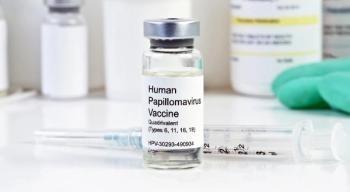
A large cohort study found no concerning safety issues associated with the use of human papillomavirus (HPV) vaccine in adult women. There was an increased rate of celiac disease, but this may be related to general underdiagnosis of the condition and its unmasking at vaccination visits.
The pharmaceutical company AstraZeneca retracted a paper and acknowledged that some preclinical data were falsified regarding its developmental agent acalabrutinib, which is under investigation for use in a number of malignancies.
Extending the platinum-free interval following disease progression in ovarian cancer with a non-platinum agent does not improve outcomes over the standard practice of using a platinum-based chemotherapy, according to a prospective trial.
A new randomized trial found that neoadjuvant trastuzumab/pertuzumab alone yields a substantially worse rate of pathologic complete response compared with paclitaxel plus the two anti-HER2 agents for women with early HER2-positive breast cancer.
Abbreviated chemotherapy is as effective as a full course in patients with chronic lymphocytic leukemia who achieve early minimal residual disease–negative complete responses.

The USPSTF issued a new draft recommendation for cervical cancer screening, recommending screening with cervical cytology every 3 years for women aged 21 to 29, and offering a choice between cytology every 3 years and high-risk human papillomavirus testing every 5 years for those aged 30 to 65 years.
Patients with upper tract urothelial carcinoma who do not undergo definitive therapy have poorer outcomes than those who do, according to a new study.
The second-generation EGFR tyrosine kinase inhibitor dacomitinib significantly improved progression-free survival over gefitinib as a first-line therapy for EGFR–positive non–small-cell lung cancer, according to a randomized phase III trial.
A large database study found that most patients with stage I endometrioid epithelial ovarian cancer or ovarian clear cell cancer do not have better survival outcomes when treated with adjuvant chemotherapy.

The FDA has granted Priority Review status to pertuzumab (Perjeta) for the treatment of HER2-positive early breast cancer. The FDA will review the agent in combination with trastuzumab and chemotherapy, for use in the adjuvant setting.
Survival of patients with myelofibrosis who undergo splenectomy is adversely affected by older age, the need for transfusion, and leukocyte and circulating blast cell counts, according to a new analysis.
Treatment with obinutuzumab along with chemotherapy resulted in longer progression-free survival than rituximab and chemotherapy in patients with previously untreated advanced-stage follicular lymphoma, according to a large randomized trial.
A new study found significant gaps in the monitoring of responses to tyrosine kinase inhibitor therapy in patients with chronic myeloid leukemia. Patients are more likely to be monitored in Europe, at academic centers, and if they are younger than 65.
Long-term use of the long-acting insulin analog glargine is associated with an increased risk of breast cancer in women with type 2 diabetes, according to a new population-based cohort study.
Treatment with tyrosine kinase inhibitors for chronic myeloid leukemia is risky for pregnant patients, according to a new study, with the potential for congenital malformations in the baby.
Maintenance therapy with rituximab following autologous stem cell transplantation prolonged progression-free, event-free, and overall survival compared with observation in patients with mantle cell lymphoma, according to a new study.
The FDA has granted accelerated approval to pembrolizumab (Keytruda) for the treatment of locally advanced or metastatic gastric or gastroesophageal junction adenocarcinoma.
Non-Hodgkin lymphoma patients who have preexisting cardiovascular risk factors are at an increased risk of heart failure and are often prescribed anthracyclines less frequently, according to a large population-based study.
Elderly breast cancer patients with severe mental illness had a twofold increased risk of all-cause mortality compared to those without mental illness, according to a new study.
The presence of more comorbidities had an effect on all-cause mortality, but not prostate cancer-specific mortality, in a large cohort study of men with prostate cancer.

Supplementation with B vitamins was associated with an increased risk of lung cancer among men, though not among women, according to a new study.
HLA-mismatched microtransplant offers good complete remission rates in older patients with acute myeloid leukemia, according to a new study.
A new study identified simple risk factors that could help identify patients with extranodal marginal zone lymphoma of the mucosa-associated lymphoid tissue (MALT lymphoma) at high risk for poor outcomes.