

The GARNET trial expansion cohorts showed durable antitumor activity across multiple populations of patients treated with dostarlimab in advanced endometrial cancer.

Kristie L. Kahl is vice president of content at MJH Life Sciences, overseeing CURE®, CancerNetwork®, the journal ONCOLOGY, Targeted Oncology, and Urology Times®. She has been with the company since November 2017.
She is a graduate of Rider University, where she acquired a Bachelors of Art in journalism, as well as a graduate of Temple University, where she received her Masters of Science in Sports Management.
Follow Kristie on Twitter at @KristieLKahl, or email her at kkahl@mjhlifesciences.com.
The GARNET trial expansion cohorts showed durable antitumor activity across multiple populations of patients treated with dostarlimab in advanced endometrial cancer.

Results from a cohort of the TAPUR study showed that the combination of cobimetinib plus vemurafenib demonstrated antitumor activity among patients with BRAF mutations who are not otherwise eligible for treatment with other FDA-approved therapies.

The KRAS G12C inhibitor adagrasib demonstrated an objective response rate of 43% and disease control rate of 80% among patients with previously treated KRAS G12C–mutated non–small cell lung cancer.
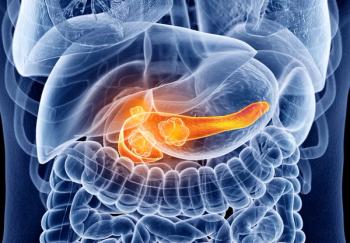
Nimotuzumab plus gemcitabine improved overall survival in patients with KRAS wild-type advanced pancreatic cancer, especially in those who did not need surgery for obstruction of a pancreatic bile duct.
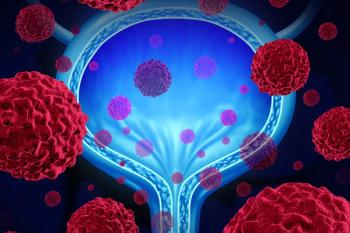
The addition of an immune checkpoint inhibitor to CG0070 induced a complete response rate of 88.9% among 18 patients in the phase 2 CORE1 trial.

Genetic determinants of PSA proved to robustly predict prostate cancer diagnoses and improve the detection of aggressive disease; however, larger and more diverse studies are still required.

The time-limited combination of ibrutinib plus chemoimmunotherapy in younger fit patients with chronic lymphocytic leukemia increased the rate of complete responses with bone marrow undetectable minimal residual disease, regardless of IGHV mutation, according to long-term follow-up data.

Among patients with newly diagnosed multiple myeloma, 80% of a study cohort reached MRD negativity following treatment with daratumumab, carfilzomib, lenalidomide, and dexamethasone.

The infusion of E-Coli- and Erwinia-derived asparaginase therapies combined with chemotherapy appeared to be well tolerated with biological efficacy in patients with acute lymphoblastic leukemia under the age of 55, providing an additional option for patients for whom further asparagine treatment is contraindicated due to toxicity.
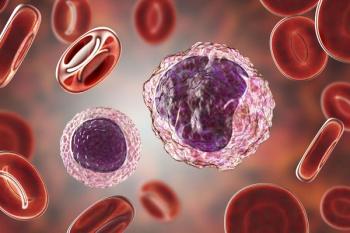
Data presented at 2021 ASH indicate that 2-year progression-free survival rates were improved when ibrutinib was added to rituximab plus mini-CHOP in an elderly cohort of patients with previously untreated diffuse large B-cell lymphoma.

The combination of daratumumab with bortezomib, cyclophosphamide, and dexamethasone continued to improve hematologic and organ responses after 18 months of follow-up.

Patients with hormone receptor-positive, HER2-negative early breast cancer did not see a benefit when adjuvant palbociclib was added to standard endocrine therapy.

Patients with BCG-unresponsive non-muscle invasive bladder cancer may benefit from treatment with avelumab and BCG induction therapy

Investigators believe the use of biomarkers can determine the results of de-escalated neoadjuvant T-DM1 in HR-positive/HER2-positive early breast cancer.

Treatment with sunitinib resulted in improved efficacy results in the FIRSTMAPPP trial for patients with malignant pheochromocytoma and paraganglioma.
Dr. Christopher Lieu shares his insights into gaps in care in the adjuvant setting in colorectal cancer.
An expert in CRC describes key findings from clinical trials related to personalized detection of molecular recurrence in early stage CRC.

Javier L. Munoz, MD, MS, FACP, discusses how the sequencing of therapies has changed in the last year.
An expert in relapsed/refractory follicular lymphoma discusses the approval of tazemetostat as a treatment and reviews the phase 2 clinical trial data.
Javier L. Munoz, MD, MS, FACP, describes the current third-line treatment options available for relapsed/refractory follicular lymphoma.

Preliminary data from the phase 1b GO30103 study indicated that the combination of tiragolumab plus atezolizumab may have promise in patients with heavily pretreated metastatic esophageal cancer.
Dr. Lee Schwartzberg comments on unmet needs in the treatment of early-stage HR+ [hormone receptor-positive] breast cancer.
Current recommendations for conducting genomic testing in patients with HR+ [hormone receptor-positive] breast cancer, as outlined by the NCCN clinical practice guidelines.
Dr. Lee Schwartzberg highlights recent changes to the NCCN guidelines in terms of guidance for genomic testing in HR-positive breast cancer based on updates to the RxPONDER trial and data supporting the use of the Breast Cancer Index.
Common scenarios for which genomic testing is recommended to aid in treatment decisions for patients with hormone receptor-positive breast cancer.
Lee Schwartzberg, MD, FACP, of West Cancer Center & Research Institute, discusses the role of genomic testing in hormone receptor-positive breast cancer and compares information provided by various assays approved for use.
A specialist explains the factors considered when it comes to choosing treatments for patients with relapsed/refractory follicular lymphoma, and the clinical endpoints to look for.
Javier L. Munoz, MD, MS, FACP, describes the effects of R/R FL and discusses the current treatment options available.
An overview of predictive and prognostic biomarkers used by breast oncologists to aid in adjuvant treatment decisions for HR-positive disease, as outlined by the NCCN guidelines.
The rationale for treating patients with early stage HR-positive breast cancer with extended adjuvant therapy based on lessons learned through clinical trial evidence and real-world practice.