






Non-Small Cell Lung Cancer (NSCLC)
Latest News
Advertisement
Latest Videos































































Advertisement
More News

Health Canada approved nivolumab in combination with platinum-doublet chemotherapy for the neoadjuvant treatment of patients with resectable non–small cell lung cancer prior to surgery.
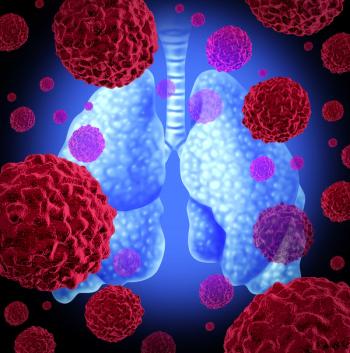
Early findings indicate that CLN-081 may hold promise in patients with advanced EGFR exon 20 insertion mutation–positive non–small cell lung cancer.

Trevor M. Feinstein, MD, spoke about how quality of life was improved for patients with EGFR wild-type stage IIIB/IV non–small cell lung cancer receiving plinabulin in addition to docetaxel the phase 3 DUBLIN-3 trial.

Trevor M. Feinstein, MD, discussed the phase 3 DUBLIN-3 trial evaluating docetaxel with or without plinabulin for patients with EGFR wild-type stage IIIB/IV non–small cell lung cancer.
Alexander I. Spira, MD, PhD, FACP, highlights several unanswered questions within the KRAS G12C–positive non–small cell lung cancer space.
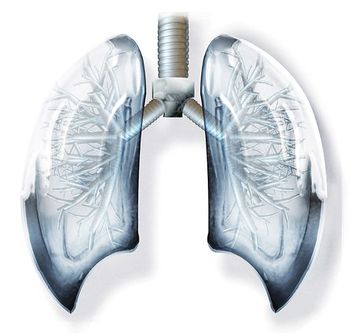
In an update to the phase 3 CANOPY-A trial, investigators reported that canakinumab did not significantly improve disease-free survival over placebo in patients with completely resected non–small cell lung cancer.

The phase 3 JAVELIN Lung did not produce statistically significant overall or progression-free survival benefit with avelumab for non–small cell lung cancer.
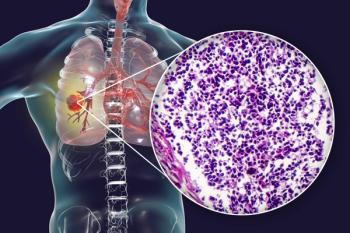
Ociperlimab plus tislelizumab showed promising antitumor activity in patients with treatment-naïve, metastatic, PD-L1–positive non–small cell lung cancer who were treated on the phase 1 AdvanTig-105 trial.
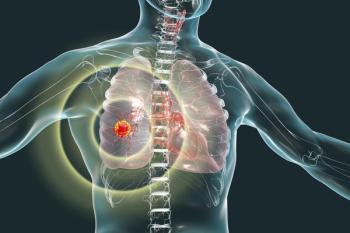
Results from the phase 3 RATIONALE-303 trial presented at 2022 WCLC showed an overall survival benefit when patients with non–small cell lung cancer were treated with second- or third-line tislelizumab compared with docetaxel.
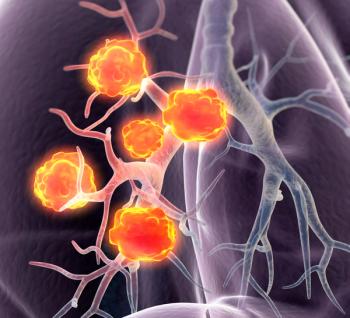
Results from a phase 1b trial showed efficacy potential of sotorasib plus SHP2 inhibitor RMC-4630 for patients with pretreated or KRAS G12C inhibitor–naïve non–small cell lung cancer.

Regular approval has been granted to capmatinib for the treatment of patients with metastatic non–small cell lung cancer whose tumors harbor a MET exon 14 skipping mutation.
At ASCO 2022, Roy S. Herbst, MD, PhD, reviews a substudy of the phase 2 Lung-MAP trial which investigates ramucirumab plus pembrolizumab for patients with advanced non–small cell lung cancer who demonstrated resistance to previous immunotherapy.

Adults with previously treated unresectable or metastatic non–small cell lung cancer whose tumors harbor HER2 mutations may now be treated with fam-trastuzumab deruxtecan-nxki.
Results from cohort C of the phase 2 VISION trial showed continued efficacy when tepotinib was given to patients with non–small cell lung cancer harboring MET exon 14 skipping alterations.
Patients with advanced PD-L1–positive non–small cell lung cancer and squamous histology who were treated with sitravatinib plus tiselizumab had promising antitumor activity.

TROPION-Lung02 trial provides evidence of datopotamab deruxtecan and pembrolizumab efficacy in patients with advanced/metastatic non–small cell lung cancer and no actionable genomic alterations.

Durvalumab plus tremelimumab in the first-line setting yielded improved overall survival vs chemotherapy in patients with metastatic non–small cell lung cancer.

At the 2022 WCLC, Brandon Sheffield, MD, presented data demonstrating the advantage of next-generation sequencing over other biomarker testing strategies in patients with non–small cell lung cancer.

Patients with metastatic nonsquamous cell non–small cell lung cancer who harbor STK11, KEAP1, and KRAS mutations experienced a survival benefit following treatment with tremelimumab plus durvalumab and chemotherapy in the first line.
EGFR C797X mutations identified as leading cause of acquired resistance to osimertinib, according to real-world data from 2022 WCLC.

According to data from the phase 1 CHRYSALIS-2 trial that were presented at 2022 WCLC, a combination containing amivantamab, lazertinib, and chemotherapy was effective in patients with pretreated non–small cell lung cancer harboring EGFR mutations.
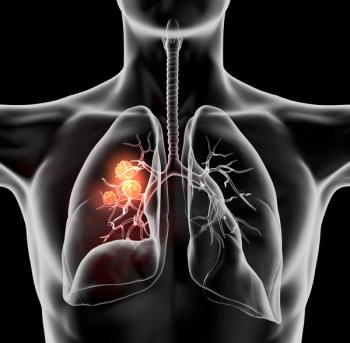
The phase 3 POSEIDON trial showed superior overall survival in patients with PD-L1–negative metastatic non–small cell lung cancer who were given durvalumab and chemotherapy plus tremelimumab.
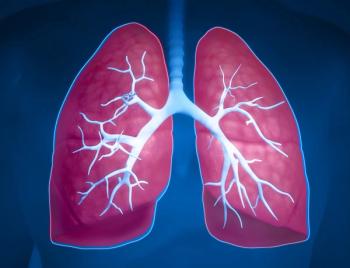
The novel KRAS G12C inhibitor GDC-6036 induced a high response rate in patients with previously treated KRAS G12C mutation–positive non–small cell lung cancer.
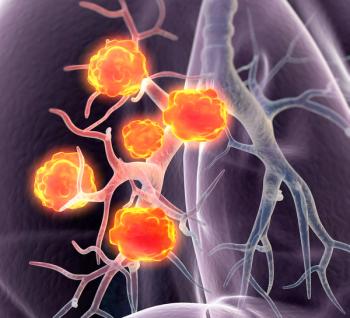
Neoadjuvant Nivolumab/Chemo Demonstrates Superiority Vs Chemo Alone in Resectable Stage IIIA/B NSCLC
Data from the phase 2 NADIM II trial appear to reinforce the superiority of nivolumab and chemotherapy vs chemotherapy alone after the regimen significantly improved overall survival progression-free survival, and pathologic complete response in patients with stage IIIA/B non–small cell lung cancer, according to investigators.

Data indicate that atezolizumab may achieve overall survival benefit compared with best supportive care in resected non–small cell lung cancer.
Advertisement
Advertisement
Trending on CancerNetwork
1
FDA Approves Tucatinib Combo as Maintenance in HER2+ Breast Cancer
2
Novel Cancer Vaccine Plus Temozolomide Miss Primary End Point in Glioblastoma
3
Personalized Vaccines May Have Utility Across All Lung Cancer Stages
4
Considering Talquetamab and Emerging Bispecifics in R/R Multiple Myeloma
5