Researchers compared the ability of a novel prognostic score vs existing scores to identify patients with high-risk DLBCL.
Researchers compared the ability of a novel prognostic score vs existing scores to identify patients with high-risk DLBCL.

The results of a follow-up analysis to the phase III MAVORIC study were presented at the ASH 2018 Annual Meeting & Exposition.
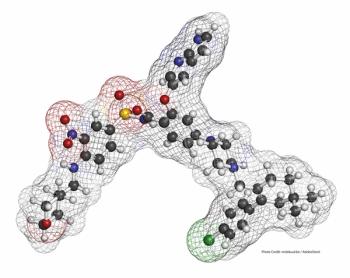
In the single-arm, multicenter, phase II part of the CAVALLI trial, the researchers analyzed the efficacy of 800-mg venetoclax plus R-CHOP in all first-line DLBCL patients.
Research presented at ASH 2018 examined whether checkpoint blockade therapy sensitizes patients with relapsed/refractory NHL to consequent treatment.

Researchers studied clonal hematopoiesis of indeterminate potential (CHIP) as a way to assess risk for increased mortality in lymphoma patients.

Researchers developed an enhanced genomic model combining clinical factors and select gene mutations in order to better predict survival in patients with DLBCL who were administered first-line R-CHOP.

Adding rituximab to MBVP induction chemotherapy does not improve outcomes for patients with primary central nervous system lymphoma.

In this interview we discuss how a short diagnosis-to-treatment interval in newly diagnosed diffuse large B-cell lymphoma is associated with worse outcomes and how this could lead to trials favoring patients with a longer diagnosis-to-treatment interval and better expected outcomes.
Patients with Hodgkin lymphoma treated with a drug combination including brentuximab vedotin achieved superior progression-free survival, with a reduction in the risk for progression, death, or need for additional anticancer therapy, compared with the standard four-drug chemotherapy regimen.

In this interview, we discuss the biology and the therapeutic strategies for primary mediastinal B-cell lymphoma.
The use of anti-CD19 chimeric antigen receptor T cells induced a nearly sixfold higher rate of complete response compared with historical outcomes in patients with refractory, aggressive non-Hodgkin lymphoma.
Lenalidomide maintenance significantly improves survival in patients with relapsed diffuse large B-cell lymphoma (DLBCL) who are not eligible for autologous stem cell transplantation (ASCT).

As part of our coverage of the ASH Annual Meeting, we are discussing novel agents and strategies for relapsed/refractory Hodgkin lymphoma.