
The mechanism of CTO1681 may allow it to reduce the production of a broad range of proinflammatory cytokines in DLBCL.
The mechanism of CTO1681 may allow it to reduce the production of a broad range of proinflammatory cytokines in DLBCL.
“Compared with pivotal trials, epcoritamab and glofitamab continue to be applied in a broad population of patients with high-risk large B-cell lymphoma,” said Taylor R. Brooks, MD.
Treatment with CAR T-cell therapy for LBCL, like liso-cel, can impact QOL based on restrictions made on the label.
Prior bendamustine exposure correlated with worse complete response rates with axi-cel among those with relapsed/refractory follicular lymphoma.
The 48-month OS rate for the TRANSFORM plus long-term follow-up study was 61.5% for patients with R/R LBCL.
The 3-year event-free survival was 88.9% and 30.0% in patients with high-risk LBCL who did and did not achieve a CR at 6 months, respectively.
Data showed no significant differences in the incidence of CRS and ICANS with the use prophylactic dexamethasone in a retrospective review.
Data from a phase 1/2 trial support sonrotoclax as a promising treatment option in previously treated relapsed/refractory mantle cell lymphoma.
Lenalidomide, tafasitamab, rituximab, and acalabrutinib alone may allow 57% of patients with newly diagnosed LBCL to receive less than the standard number of chemotherapy cycles without compromising curative potential.
The phase 3 EPCORE FL-1 trial showed that adding epcoritamab to R2 delivered superior PFS and response rates for patients with relapsed/refractory FL vs R2 alone.
“We can conclude that in combination with dose-attenuated chemotherapy, [epcoritamab] may have a role in the treatment of patients with historically poor outcomes,” said Chan Cheah, MD.
An ORR of 100% was noted in the 160 mg odronextamab/CHOP cohort in untreated DLBCL.
An ORR of 91.4% was observed with zanuburtinib plus R-CHOP in patients with DLBCL.
Preliminary phase 2 trial data show durvalumab plus lenalidomide was superior to durvalumab alone in refractory/advanced cutaneous T-cell lymphoma.
Developing odronextamab combinations following CAR T-cell therapy failure may help elicit responses in patients with diffuse large B-cell lymphoma.
Cytokine release syndrome was primarily low or intermediate in severity, with no grade 5 instances reported among those with diffuse large B-cell lymphoma.
Safety results from a phase 2 trial show that most toxicities with durvalumab treatment were manageable and low or intermediate in severity.
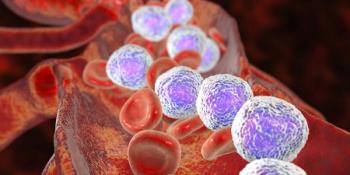
Results from the CLOVER WaM trial saw a clinical benefit rate of 98.2% in patients with Waldenström Macroglobulinemia treated with Iopofosine I 131.
Investigators are currently evaluating mosunetuzumab in relapsed disease or comparing it with rituximab in treatment-naïve follicular lymphoma.
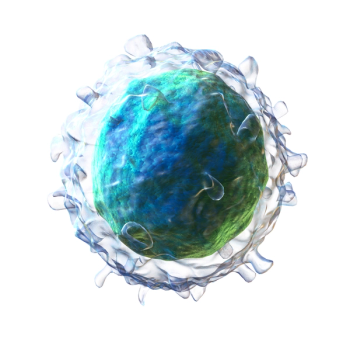
Phase 3 data support tafasitamab plus lenalidomide/rituximab as a potential new standard of care in patients with relapsed/refractory follicular lymphoma.

Autologous transplant did not confer significantly improved overall survival regardless of induction intensity in a phase 3 trial.
Long-term ORR, DOR, PFS, and OS data from the phase 2 Zuma-5 trial supports the use of axi-cel use in relapsed/refractory indolent Non-Hodgkin lymphoma treatment.
Regardless of high-risk features, brexucabtagene autoleucel demonstrated positive and durable responses in BTK-naive MCL.
Glofitamab with polatuzumab vedotin benefited patients with high-grade B-cell lymphomas and who failed prior CAR T-cell therapy.
Phase 2 data support epcoritamab monotherapy as a promising chemotherapy-free option for older patients with newly diagnosed LBCL.
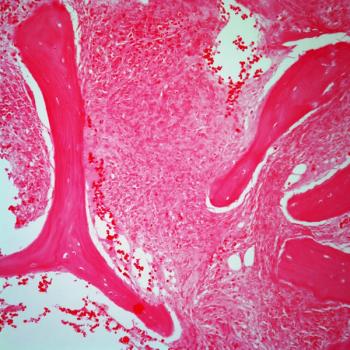
Findings from the phase 1/2 CaDAnCe-101 trial showed that promising ORRs in R/R WM and R/R CLL/SLL stemmed from BGB-16673 treatment.
For patients with CLL and SLL, sonrotoclax with zanubrutinib yielded high rates of overall response in the phase 1/1b BGB-11417-101 study.
Tisagenlecleucel shows high rates of MRD-negative status among patients with relapsed/refractory follicular lymphoma in the ELARA trial.
Almost a 100% complete response rate was noted with Zilovertamab Vedotin/R-CHP for patients with DLBCL.
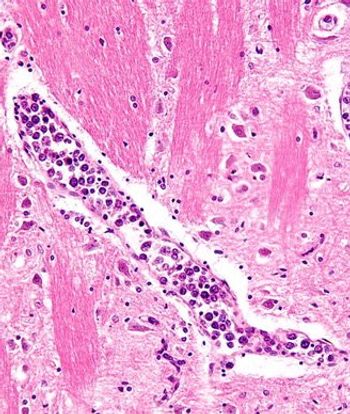
For patients with relapsed/refractory large B-cell lymphoma, PFS and OS data from CD-19-directed, 4-1BB CAR T-cell Liso-cel therapy were consistent with prior results.