
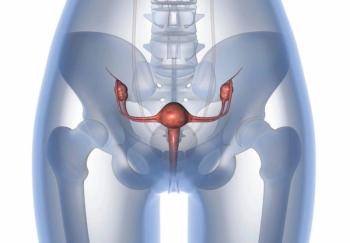
Data from the phase 3 CALLA trial indicated that multidisciplinary collaboration and a good quality control strategy are key to providing optimal chemoradiotherapy delivery in locally advanced cervical cancer.
Data from the phase 3 CALLA trial indicated that multidisciplinary collaboration and a good quality control strategy are key to providing optimal chemoradiotherapy delivery in locally advanced cervical cancer.

Results from the phase 2 NRG-HN004 trial found durvalumab plus radiotherapy did not show improved progression-free survival vs cetuximab in patients with locoregionally advanced head and neck cancer who had a contraindication to cisplatin.

Stereotactic body radiation therapy is a new standard of care option for patients with locally advanced hepatocellular carcinoma, according to a presentation on the phase 3 NRG/RTOG 1112 trial assessing sorafenib combined with stereotactic body radiation therapy.

CancerNetwork® sat down with C. Jillian Tsai, MD, PhD, at the 2021 American Society for Radiation Oncology to talk about the use of stereotactic body radiation therapy to treat breast and lung cancer.
CancerNetwork® sat down with C. Jillian Tsai, MD, PhD, at the 2021 American Society for Radiation Oncology to talk about why consolidative radiotherapy may be beneficial against oligoprogression in metastatic breast and lung cancer.

CancerNetwork® sat down with Andrew Cook, MD, at the 2021 American Society for Radiation Oncology to discuss the potential role of gabapentin in head and neck cancer despite garnering negative results in oropharynx cancer.
CancerNetwork® sat down with Andrew Cook, MD, at the 2021 American Society for Radiation Oncology to discuss outcomes with gabapentin compared with opioids for increasing quality of life and decreasing treatment-related pain in oropharyngeal cancer.
CancerNetwork® sat down with Andrew Cook, MD, at the 2021 American Society for Radiation Oncology to talk about using prophylactic gabapentin for those receiving chemoradiotherapy for oropharyngeal cancer.

Patients with human papillomavirus–associated oropharyngeal squamous cell carcinoma experienced good quality of life and promising survival benefit after being treated with de-escalated adjuvant radiation therapy.

Patients with up to 5 oligometastases tolerated stereotactic body radiation therapy well, with investigators identifying a relatively safe toxicity profile of grade 2 or higher adverse effects.

Patients with human papillomavirus–associated oropharyngeal squamous cell carcinoma experienced efficacious survival benefits from treatment with primary radiotherapy.
Although there was no resulting benefit to overall survival with the addition of short-term androgen deprivation to dose-escalated radiotherapy, patients with intermediate-risk prostate cancer experienced other disease benefits with this treatment approach.

Patients receiving trastuzumab for HER2-positive breast cancer on the phase 3 HERA trial did not have an increased risk of cardiotoxicity from radiation therapy.

Patients who were treated with extreme hypofractionation after breast conserving surgery saw no increase in ill-treatment effects compared with those receiving moderate hypofractionation.

A retrospective review found that external-beam radiation therapy has been underutilized as a bridging therapy in patients with hepatocellular carcinoma seeking transplant, although its prevalence has increased over the past decade.

Investigators believe that a systems-based intervention could reduce or even eliminate racial gaps in cancer treatment completion and improve outcomes.

Stereotactic body radiotherapy added to standard of care treatment resulted in better progression-free survival for those with oligoprogressive non–small cell lung cancer.
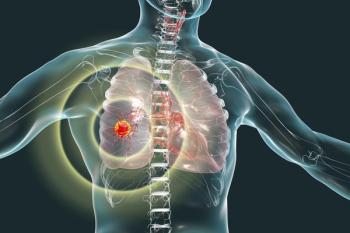
This study found that found that mini-strokes and heart attacks were significantly less common among patients with locally advanced non-small cell lung cancer who underwent proton therapy versus conventional photon-based radiation therapy.

In working patients with head and neck cancer receiving radiotherapy, weight loss and an increase in pain, fatigue, and ECOG status were all found to be significantly associated with reductions in working days per week.
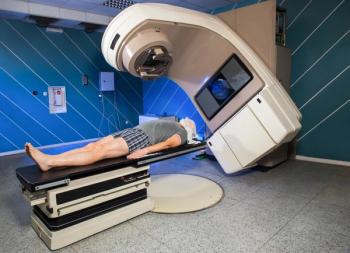
This study suggested that the racial composition of clinical trials involving radiation therapy does not match that of the overall US population.

A study presented at the ASTRO Annual Meeting found that adding the advanced PET radiotracer fluciclovine (Axumin) to conventional imaging for patients with recurrent prostate cancer may improve disease-free survival rates.

“Sexual dysfunction is an unfortunately common side effect of cancer treatment, and there appears to be a large gender disparity in how physicians discuss sexual health with their patients,” said lead study author James Taylor, MD, MPH.

Researchers found there has been a 17% growth in radiation therapy facilities over the last 15 years, with expansion specifically improving for those who already live near such facilities.

This study indicated that patients with up to 3 lung metastases from primary tumors in other sites who were treated with stereotactic body radiation therapy fared comparably well whether their radiation was delivered in 1 or 4 treatment sessions.

Stereotactic body radiotherapy may be superior to conventional palliative radiotherapy in improving the complete response rate for pain related to spinal metastases at 3- and 6-months post-radiation.

When compared with whole brain radiation therapy, researchers discovered highly focused radiation therapy led to less cognitive decline while simultaneously delivering equivalent overall survival rates.

This peer-to-peer exchange highlights results of a study that tested whether analyzing circulating tumor DNA (ctDNA) during treatment with chemoradiotherapy could predict outcomes in patients with localized lung cancer.

In this interview we discuss results of the HYBRID trial, which tested a hypofractionated regimen of 36 Gy over six fractions in elderly muscle-invasive bladder cancer patients who were ineligible for standard treatments.

This video highlights an education session on the challenge of perineural invasion in head and neck cancer from the 2017 ASTRO Annual Meeting.

This video highlights a large-scale profiling effort that seeks to identify and classify mutant alleles driving resistance to radiation therapy across different cancer types.