

From shortening treatment duration without compromising efficacy in breast and prostate cancer to improving quality of life, experts share the main takeaways from the 2022 ASTRO Annual Meeting.
From shortening treatment duration without compromising efficacy in breast and prostate cancer to improving quality of life, experts share the main takeaways from the 2022 ASTRO Annual Meeting.

PSMA-targeting PET ligand 18F-rhPSMA-7.3 yielded high detection rates for patients with recurrent prostate cancer regardless of factors such as PSA levels, PSA doubling time, or Gleason scores, according to Benjamin H. Lowenritt, MD, FACS.
Pooling data with other radiation trials, looking more closely at central non-small cell lung cancer, and exploring secondary outcomes represent the next steps in terms of analyzing stereotactic body radiation (SBRT) vs conventional hypofractionated radiotherapy (CRT), according to Anand Swaminath, MD.

Findings from the phase 3 CALLA trial indicated that intensity modulated radiation therapy was administered in 88.1% of patients with high-risk locally advanced cervical cancer treated with durvalumab and chemoradiotherapy vs 88.1% with placebo and chemoradiotherapy.
Anand Swaminath, MD, reviews the design of the phase 3 LUSTRE trial comparing a 3-week conventional radiotherapy regimen with stereotactic body radiotherapy among patients with stage I medically inoperable non-small cell lung cancer.
Future focuses following the phase 3 SPOTLIGHT trial will include identifying sites of recurrence and different intensity levels for 18F-rhPSMA-7.3 in suspected recurrent prostate cancer, according to Benjamin H. Lowenritt, MD, FACS.
Stereotactic body radiation therapy yielded numerical improvements in terms of local control compared with conventional hypofractionated radiotherapy among patients with stage I medically inoperable non–small cell lung cancer, according to findings from the phase 3 LUSTRE trial.
Jyoti S. Mayadev, MD, indicated that durvalumab (Imfinzi) plus chemotherapy resulted in low rates of high-grade late-onset toxicities in the phase 3 CALLA trial, which may be due in part to the quality of the technology employed during the study.
The goal of the analysis of the phase 3 SPOTLIGHT trial was to evaluate how clinical factors impact 18F-rhPSMA-7.3 detection rates in a population of patients with suspected recurrent prostate cancer, according to Benjamin H. Lowenritt, MD, FACS.
Data from the phase 3 LUSTRE trial indicated that stereotactic body radiotherapy is a safe and effective alternative to conventional radiation for use in patients with stage I medically-inoperable non-small lung cancer, according to an expert from Juravinski Cancer Centre in Canada.
Jyoti S. Mayadev, MD, indicated that future research for cervical cancer will be focused on combination immune checkpoint inhibitors and biomarker research.
Novel PSMA-targeting PET ligand 18F-rhPSMA-7.3 adds to the recurrent prostate cancer armamentarium, according to Benjamin H. Lowentritt, MD, FACS.
Durvalumab appeared to have no impact on the ability to deliver safe and timely radiation therapy to patients with high-risk locally advanced cervical cancer, according to Jyoti S. Mayadev, MD.

Supplemental radiation doses delivered concomitantly with hypofractionated whole breast irradiation in 15 fractions demonstrated non-inferior ipsilateral breast recurrence and similar toxicity compared with sequential boosts following whole breast irradiation in high-risk early-stage breast cancer.
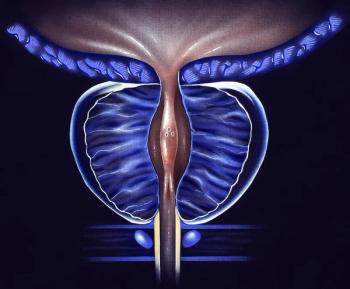
The addition of metastasis-directed therapy to intermittent hormone therapy appeared to improve survival in patients with oligometastatic prostate cancer, according to early data from the phase 2 EXTEND trial.
Patients with prostate cancer who experienced an increase in prostate-specific antigen level after radical prostatectomy appeared to benefit from a short course of androgen deprivation therapy after post-operative immediate salvage radiotherapy.

Induction chemotherapy combined with concurrent lobaplatin chemoradiotherapy improved safety outcomes without sacrificing efficacy vs a cisplatin-based regimen in patients with head and neck squamous cell carcinoma.
The 12-month progression-free survival rates among patients with high-risk locally advanced cervical cancer were comparable with durvalumab plus chemoradiotherapy vs placebo plus radiotherapy.
Data from the phase 3 SPOTLIGHT trial indicated that 18F-rhPSMA-7.3 PET yielded a positive detection rate in patients with recurrent prostate cancer, and increased along with prostate-specific antigen level.
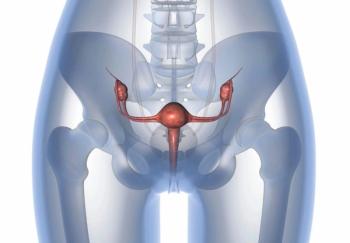
Data from the phase 3 CALLA trial indicated that multidisciplinary collaboration and a good quality control strategy are key to providing optimal chemoradiotherapy delivery in locally advanced cervical cancer.

Results from the phase 2 NRG-HN004 trial found durvalumab plus radiotherapy did not show improved progression-free survival vs cetuximab in patients with locoregionally advanced head and neck cancer who had a contraindication to cisplatin.
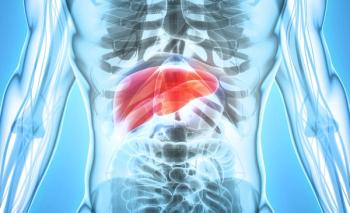
Stereotactic body radiation therapy is a new standard of care option for patients with locally advanced hepatocellular carcinoma, according to a presentation on the phase 3 NRG/RTOG 1112 trial assessing sorafenib combined with stereotactic body radiation therapy.

CancerNetwork® sat down with C. Jillian Tsai, MD, PhD, at the 2021 American Society for Radiation Oncology to talk about the use of stereotactic body radiation therapy to treat breast and lung cancer.
CancerNetwork® sat down with C. Jillian Tsai, MD, PhD, at the 2021 American Society for Radiation Oncology to talk about why consolidative radiotherapy may be beneficial against oligoprogression in metastatic breast and lung cancer.

CancerNetwork® sat down with Andrew Cook, MD, at the 2021 American Society for Radiation Oncology to discuss the potential role of gabapentin in head and neck cancer despite garnering negative results in oropharynx cancer.
CancerNetwork® sat down with Andrew Cook, MD, at the 2021 American Society for Radiation Oncology to discuss outcomes with gabapentin compared with opioids for increasing quality of life and decreasing treatment-related pain in oropharyngeal cancer.
CancerNetwork® sat down with Andrew Cook, MD, at the 2021 American Society for Radiation Oncology to talk about using prophylactic gabapentin for those receiving chemoradiotherapy for oropharyngeal cancer.

Patients with human papillomavirus–associated oropharyngeal squamous cell carcinoma experienced good quality of life and promising survival benefit after being treated with de-escalated adjuvant radiation therapy.

Patients with up to 5 oligometastases tolerated stereotactic body radiation therapy well, with investigators identifying a relatively safe toxicity profile of grade 2 or higher adverse effects.

Patients with human papillomavirus–associated oropharyngeal squamous cell carcinoma experienced efficacious survival benefits from treatment with primary radiotherapy.