

The addition of radiotherapy to CAR T-cell therapy may particularly benefit patients with localized disease, according to Timothy Robinson, MD, PhD.
The addition of radiotherapy to CAR T-cell therapy may particularly benefit patients with localized disease, according to Timothy Robinson, MD, PhD.
Timothy Robinson, MD, PhD, discusses how radiation may play a role as bridging therapy to CAR T-cell therapy for patients with relapsed/refractory DLBCL.

Results showed of the phase 3 ADRIATIC study found that treatment with durvalumab elicited similar radiation pneumonitis incidences vs placebo for LS-SCLC.

James Ninia, MD, discussed a phase 2/3 trial seeking to answer whether complete consolidation offers more benefit than incomplete consolidation in SCLC.

Overall survival benefit was significant with complete vs incomplete consolidation therapy, but lost significance when stratified by disease burden.
James Ninia, MD, discussed treatment options for patients with extensive-stage small cell lung cancer undergoing metastasis-directed radiotherapy.

Whole or accelerated partial breast ultra-hypofractionated radiation in older patients with early breast cancer may reduce recurrence with low toxicity.
Ultra-hypofractionated radiation in those 65 years or older with early breast cancer yielded no ipsilateral recurrence after a 10-month follow-up.
The unclear role of hypofractionated radiation in older patients with early breast cancer in prior trials incentivized research for this group.
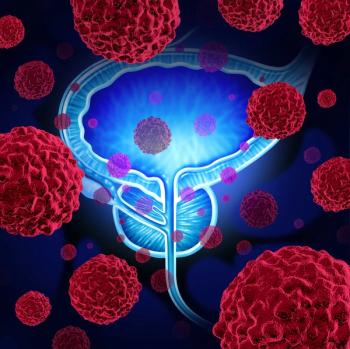
Phase 2 data support further evaluation of nivolumab plus standard radiotherapy in patients with Gleason grade 5 prostate cancer.
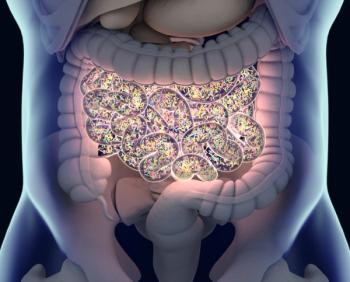
Results from the INNATE trial showed the use of sotigalimab to be a safe and efficacious regimen for patients with rectal cancer.
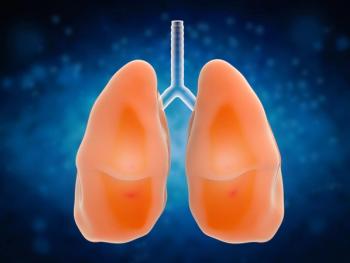
Data show that twice-daily radiotherapy may confer improved survival vs once-daily radiation in patients with limited-stage small cell lung cancer.

Retrospective study data show that patients with inflammatory bowel disease may not require modification of standard radiotherapy for pelvic malignancies.
Prospective trial data may help guide treatment planning for patients with inflammatory bowel disease planning to undergo radiotherapy.

Efficacy findings were enhanced when 177Lu-Dotatate was used to treat patients with grade II/III recurrent meningioma.

UNITED is the first trial to assess MR-guided weekly adaptive on-line and real-time radiotherapy with clinical target volume margin reductions.
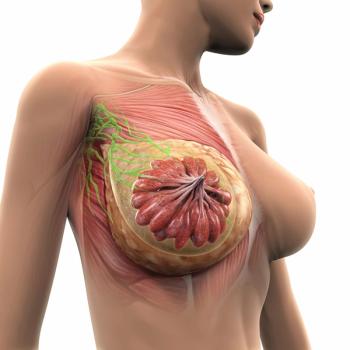
Hypofractionated postmastectomy radiotherapy was noninferior to standard radiation in patients who underwent a mastectomy.

Experimental regimens did not cross the threshold to show superiority vs standard cisplatin plus 70 Gy radiation in those with HPV-associated oropharynx cancer.
Data show no differences in bowel function between treatment arms based on factors including age, disease risk, and fractionation schedule.

Findings suggest that harnessing the tumoral node microenvironment may improve the ability to predict extracapsular nodal extensions in patients with oropharyngeal carcinoma.
Patients with factors such as lymphovascular space invasion or positive glossectomy specimen margins may be considered for adjuvant radiotherapy to optimize disease control of tongue squamous cell carcinoma.
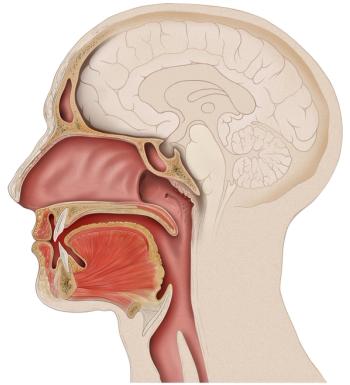
A prospective phase 2 trial evaluated the use of de-escalation therapy for patients with p16-positive squamous cell carcinoma.
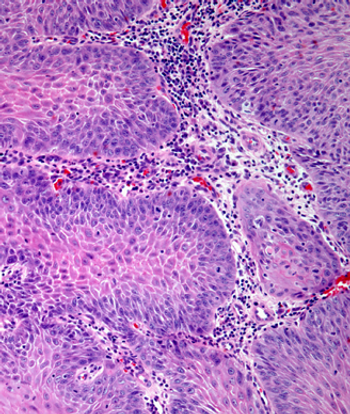
The role of multimodal approaches such as FDG-PET imaging may require further investigation in patients with human papillomavirus–positive oropharyngeal cancer, according to Samuel Regan, MD.
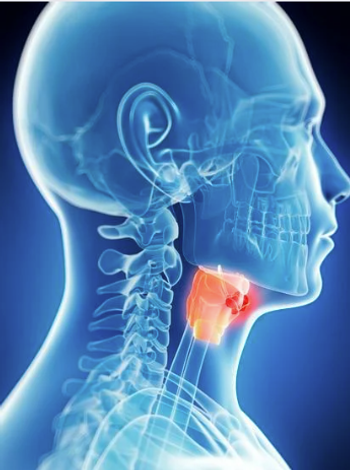
The use of postoperative adjuvant radiation therapy led to less weight loss in patients with HPV-positive oropharynx cancer, according to Wade L. Thorstad, MD.

Frontline pembrolizumab with or without chemotherapy appears to remain a standard of care for patients with recurrent or metastatic head and neck squamous cell carcinoma based on data from the LEAP-010 study.

Results from a phase 1/2 trial show clinical activity of APG-115 in patients with p53 wild-type salivary gland cancer.
Results from cohort A of a pilot study of patients with HPV–associated oropharyngeal carcinoma did not meet its primary end point.

Those with breast cancer who have undergone implant-based reconstruction following mastectomy have similar outcomes with hypofractionated vs conventionally fractionated radiotherapy.

Diagnostic CT-enabled radiation therapy also reduces patient-reported time burden in the palliative setting.
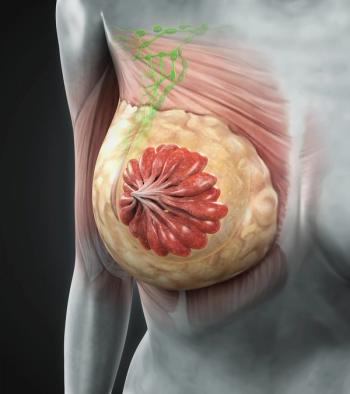
Data from the FABREC trial support the use of hypofractionated postmastectomy radiotherapy in patients with breast cancer following implant-based reconstruction.