

Twice-daily radiotherapy prolongs survival vs once-daily radiation among those with LS-SCLC, even with the incorporation of immunotherapy.
Twice-daily radiotherapy prolongs survival vs once-daily radiation among those with LS-SCLC, even with the incorporation of immunotherapy.

Less lymphocyte depletion with twice-daily radiotherapy warrants further assessment to optimize the synergistic effect of radiotherapy and immunotherapy.
Twice-daily thoracic radiotherapy appeared to confer less leukocyte and lymphocyte depletion compared with once-daily radiation in LS-SCLC.
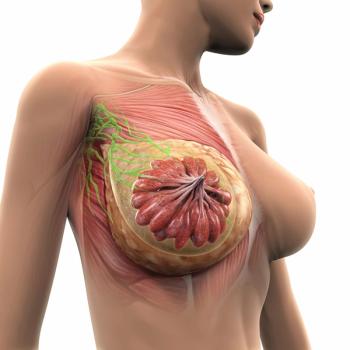
The RadComp Consortium trial showed comparable HRQOL between proton and photon therapy for patients with non-metastatic breast cancer.
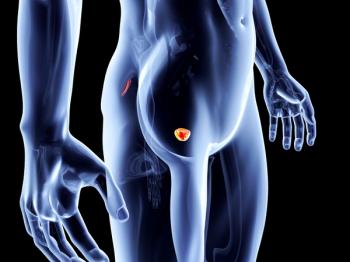
SBRT achieved a 5-year DFS rate of 89% vs 92% with moderately hypofractionated IMRT in patients with intermediate-risk prostate cancer.
The clinical adoption of twice-daily accelerated radiotherapy has been limited in North America despite improved outcomes, according to Bin Gui, MD.

Long-term data from the STARS trial affirm stereotactic radiation as a strong alternative to surgery for patients with operable stage I NSCLC.
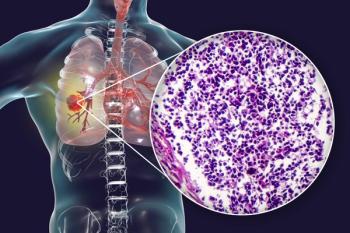
The efficacy of TTFields was greater among patients who received immune checkpoint inhibition for the treatment of brain metastatic NSCLC.
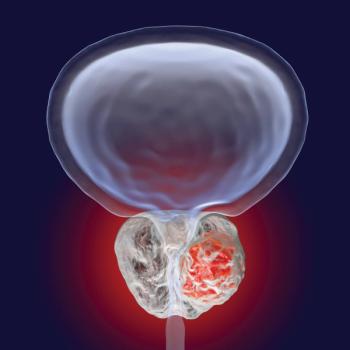
The addition of 177Lu-PNT2002 did not significantly increase toxicity in patients with oligorecurrent prostate cancer who received SBRT.

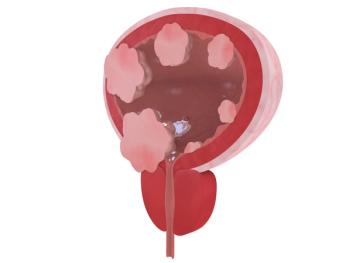
No toxicity-related discontinuations were seen with adjuvant radiotherapy among patients with muscle-invasive bladder cancer.
Apalutamide plus stereotactic radiotherapy may be effective for certain patients with recurrent prostate cancer following radical prostatectomy.
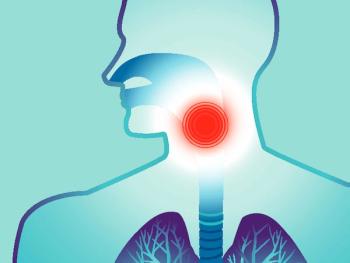
Regarding feeding tube use and weight loss, patients with oropharyngeal cancer treated with proton beam therapy or IMRT saw similar results.
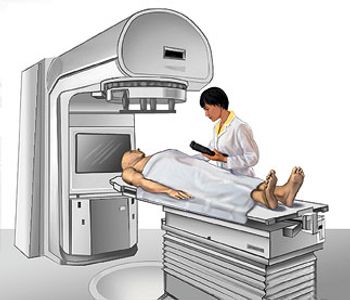
ASTRO assembled a task force to create a guideline for the administration of palliative external beam radiation therapy for patients with symptomatic bone metastases.

Patrick Oh, MD, highlights next steps for further research in treating patients with systemic therapy in addition to radiotherapy for early-stage NSCLC.
Increased use of systemic therapies, particularly among patients with high-risk node-negative NSCLC, were observed following radiotherapy.

Heather Zinkin, MD, states that reflexology improved pain from chemotherapy-induced neuropathy in patients undergoing radiotherapy for breast cancer.

A prospective trial may help affirm ctDNA as a non-invasive option of predicting responses to radiotherapy among those with gynecologic cancers.
Interest in novel therapies to improve outcomes initiated an investigation of the use of immunotherapy in early-stage non-small cell lung cancer.
ctDNA reductions or clearance also appeared to correlate with a decrease in disease burden during the pre-boost phase of radiotherapy.
Offering certain radiotherapy modalities based on disease burden may play a role in the outcomes of those with ES-SCLC, according to James Ninia, MD.
Investigators evaluated ctDNA as a potentially noninvasive method to predict response to radiotherapy among those with gynecologic malignancies.
Study findings reveal that patients with breast cancer reported overall improvement in their experience when receiving reflexology plus radiotherapy.
Patients undergoing radiotherapy for breast cancer were offered 15-minute nurse-led reflexology sessions to increase energy and reduce stress and pain.

Raymond B. Mailhot, MD, MPH, discussed how radiation therapy can impact education and survivorship for pediatric survivors of brain tumors.
Significant results from a retrospective analysis of brain tumor survivor academic performance after radiotherapy emerged despite small sampling size.

Findings may help providers and patients with head and neck cancer consider whether to proceed with radiotherapy modalities, such as proton therapy or IMRT.
Raymond B. Mailhot, MD, MPH, discussed methods for comparing academic performances of patients following radiation therapy with healthy control groups.
Study results appear to affirm anecdotal information from patients with head and neck cancer related to taste changes during and after radiotherapy.
Noah S. Kalman, MD, MBA, describes the rationale for using a test to measure granular details of taste change in patients undergoing radiotherapy for HNC.

No evidence indicates synergistic toxicity when combining radiation with CAR T-cell therapy in this population, according to Timothy Robinson, MD, PhD.