

The latest conversation in RadOnc on the Run explores patient and provider considerations for navigating cancer diagnosis, treatment, and recovery.
The latest conversation in RadOnc on the Run explores patient and provider considerations for navigating cancer diagnosis, treatment, and recovery.

Oncology care requires psychosocial support, nutrition, and survivorship, which can result in improved patient outcomes and quality of life.

Experts discussed supportive care and why it should be integrated into standard oncology care.

Findings from a WeCanWork study showed that men who work laborious jobs need additional support during and after cancer treatment.
Authors of an article published in ONCOLOGY® detail how a novel multidisciplinary lifestyle medicine clinic can meet the needs of cancer survivors.
Andrew M. Evens, DO, MBA, MSc, discusses the importance of meeting the emotional and physical needs of cancer survivors to help them lead fruitful lives.
The lifestyle medicine needs of cancer survivors seeking lifestyle consultation are growing, and awareness of the benefits of lifestyle medicine for this population can enhance the quality of life for patients who are survivors of cancer.
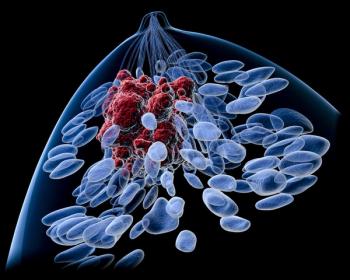
Findings speak to the need of cultural, racial, and ethnic inclusion when designing breast cancer trials and developing patient-reported outcome measures.

Investigators indicate that ongoing efforts should focus on meeting the needs of adult cancer survivors with co-morbid substance use disorder, with an emphasis on prioritizing populations in which the disorder is highly present.
Investigators report that prediabetes may prove to be a target for intervention to decrease morbidity and mortality in survivors of pediatric cancer.

It is crucial to ensure equitable access to high-quality survivorship care among lesbian, gay, and bisexual adolescent and young adult cancer survivors, according to Michael E. Roth, MD.
Jenifer A. Vencill, PhD, LP, highlighted that sexual dysfunction can negatively impact patients' quality of life, and how she aims to bring more awareness to this issue.
Findings from a cross-sectional study support monitoring puberal development to estimate probabilities of future fertility among male childhood cancer survivors.
Increasing radiation doses to the whole heart appear to correlate with higher risks of valvular disease, coronary artery disease, and heart failure in childhood cancer survivors.

Implementation of a personalized, proactive care pathway for breast cancer survivors will be evaluated in future clinical trials, according to one of the authors of a pilot implementation study.
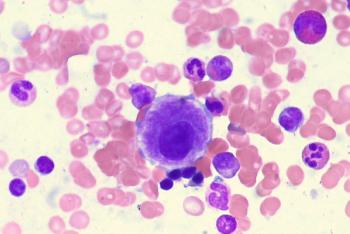
Investigators note that although therapy-related myelodysplastic syndromes or acute myeloid leukemia are not common, efforts to reduce treatment-associated toxicity in survivors of lymphoid neoplasms are needed given the poor prognosis associated with the diagnosis.
Although findings from a population-based meta-analysis suggest a greater risk of death in patients due to cancers diagnosed during pregnancy and postpartum, not all disease sites had the same risk.
Findings from a nested case-control study may enable individualized colorectal cancer risk estimations for Hodgkin lymphoma survivors who receive radiotherapy plus procarbazine.
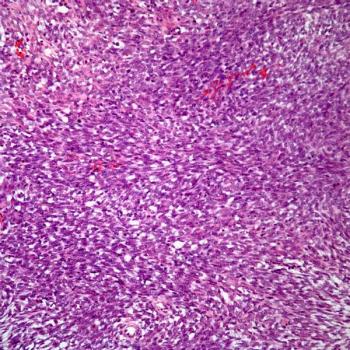
A novel smoking cessation treatment for survivors of cervical cancer or cervical intraepithelial neoplasia appears to improve rates of abstinence in the short-term, but approximately matches the efficacy of standard treatment at 18 months.
Findings from a cohort of the Childhood Cancer Survivor Study identify a prediction model that may accurately identify childhood cancer survivors at varying risks of late kidney failure.
Young adult survivors of childhood cancer may be at a higher risk of experiencing psychological and physical health issues associated with loneliness.
An expert from the Georgia Cancer Center underscores the need to proactively address socioeconomic challenges in survivors of hematologic cancer.
Nicole Peeke, LCSW, ACHP-SW, emphasizes the importance of an integrated oncology care plan and that mental health care should be incorporated as a standard of care.
Lack of access to adequate mental health care affects both patients and survivors of cancer who experience significant burdens, highlighting a need for normalization, according to a licensed clinical social worker.
“Being a patient advocate means not so much putting ourselves in the patient's shoes but asking the right questions to find out what those barriers to care are,” says an oncology survivorship navigator from Sibley Memorial Hospital, Johns Hopkins Medicine.

Findings from a randomized clinical trial suggest that tele-cognitive behavioral therapy may help reduce body image distress among survivors of head and neck cancer.
Results from a pooled case control study indicate that meninges are very radiosensitive in pediatric patients who were treated at prior to age 10 years, supporting reduced dose whole brain irradiation in this population.
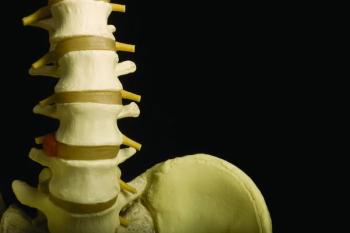
Factors such as chemotherapy treatment and a cancer diagnosis within the past 5 years were associated with a greater risk of frailty-related bone fractures among older cancer survivors, according to findings from a recent cohort study.

Endometrial cancer survivors experienced clinically significant weight loss after participating in a behavioral weight loss program.

Rahiya Rehman, MD, and co-investigators, research the importance of poor follow-up and care for survivors of childhood cancer.