

In this month's Letter to the Readers, ONCOLOGY co-editor-in-chief Julie M. Vose, MD, MDA, dives into the topic of survivorship care.
In this month's Letter to the Readers, ONCOLOGY co-editor-in-chief Julie M. Vose, MD, MDA, dives into the topic of survivorship care.

Jun J. Mao, MD, MSCE, reviews how traditional, complementary, and integrative medicine can assist clinicians to better treat patients with cancer all over the world.
Survival among patients with multiple myeloma appears to be influenced by factors such as socioeconomic status and treatment facility type.
A survey suggests individuals with cancer who were undergoing active treatment were more likely to endorse COVID-19 related misinformation than those with no history of cancer.

Compared with a wait-list control group, mindful awareness practices and survivorship education significantly reduced depressive symptoms from preintervention to postintervention in younger survivors of breast cancer.

A combination of sitting for longer periods a day and a lack of physical activity resulted in a higher risk of death than those who partook in physical activity.
According to a study conducted at a single cancer center in Southern Maryland, patients who survived breast or prostate cancer were less likely to receive a colorectal cancer screening.

For World Cancer Day, CancerNetwork® reviews key highlights from the Cancer Facts & Figures 2022 report from the American Cancer Society, with updates in cancer incidence, mortality, and survival across patient subgroups.
It is important to tap into interventions that can mitigate a fear of cancer recurrence in the partners of multiple myeloma survivors in addition to improving family hardiness and social support in order to aid in patients' psychological adjustment and wellbeing.
Veteran survivors of head and neck cancer who experienced suicidal self-directed violence were found to most likely die from their injuries.

Breast cancer survivors who are minorities or medically underserved appear to experience a benefit in health-related quality of life after taking part in a community-based physical activity program.

Several factors among cancer survivors, such as rural residence, low income, and low education were found to be independently associated with a higher risk of developing new-onset cardiovascular disease.

Survivorship incorporated into primary cancer care may be more cost effective and lead to better clinical and patient-reported outcomes in patients with breast cancer and other malignancies.

Young-adult cancer survivors who met criteria for being prefrail and frail were more likely to experience a cognitive decline compared with those considered to be nonfrail.

Specific resources needed for survivors of cancer to effectively cope during the first year after treatment were limited due to the COVID-19 pandemic, causing survivors to self-cope with known mechanisms.

Researchers suggested these findings support “continued access to opioid medications for cancer survivors who may benefit from such therapy.”

The platform was launched to provide cancer survivors live and on-demand workouts specifically geared towards survivors all types of cancers.

Researchers found that breast cancer survivors who were prescribed adjuvant endocrine therapy and regularly performed moderate physical activity reported better health-related quality-of-life.

Jennifer M. Yeh, PhD, spoke about study findings which indicated that instituting annual breast cancer screening with MRI at ages 25 to 30 years may reduce breast cancer mortality by 50% or more in survivors of childhood cancer.
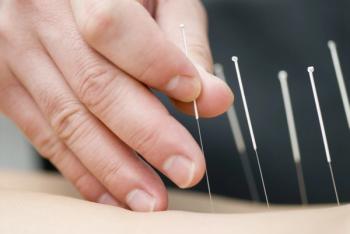
Using acupuncture to help manage pain associated with cancer treatment, may offer additional tools to help manage function and quality of life in survivors, according to Jun J. Mao, MD, MSCE.

This long-term record of patients with cancer found that almost half of those who were newly diagnosed proceeded to fertility preservation and returned for follow-up within 21 months of cancer treatment.
At the 2020 ASCO Virtual Program, Jun J. Mao, MD, MSCE, presented a study designed to evaluate the comparative effectiveness of electro-acupuncture and auricular acupuncture versus usual care in managing pain in cancer survivors.

The expert explained how states that expanded Medicaid coverage saw a steeper decline in cancer mortality rates, and next steps for further evaluation.

Excluding unassisted attempts to quit smoking, approved medications were more likely to be utilized than other cessation methods in this study, demonstrating a strong correlation with successful quit attempts.
In a recent interview with CancerNetwork, Fumiko Chino, MD, discussed the need to evaluate Medicare’s impact on cancer mortality rates, and moreover, what she and her colleagues found in a recent study presented at the 2020 ASCO Virtual Program.

In comparison to those who had no history of cancer, an elevated presence of mental health problems was observed among adult cancer survivors in this study.
As the national opioid crisis has created new challenges in pain management, cancer survivors are in need of non-pharmacological options.