
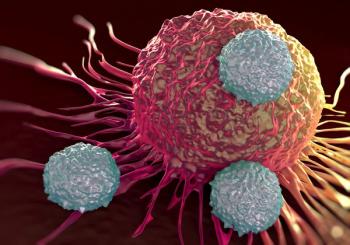
Elotuzumab in combination with pomalidomide, bortezomib, and dexamethasone was well tolerated in patients with relapsed/refractory multiple myeloma.
Elotuzumab in combination with pomalidomide, bortezomib, and dexamethasone was well tolerated in patients with relapsed/refractory multiple myeloma.

Christina Henson, MD, discusses recent phase 3 trial results comparing durvalumab to cetuximab in head and neck cancer, and why the trial was stopped early.
Select comorbidities, ECOG status, and the receipt of radiation were among the differences between a real-world cohort and the RUBY trial population.
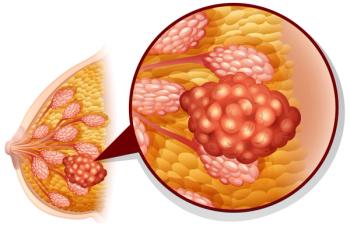
Timely guideline-concordant care may mitigate racial and ethnic disparities in overall survival among patients with inflammatory breast cancer.
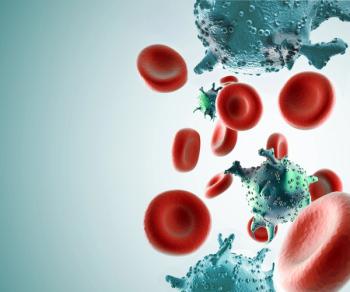
Azer-cel elicited strong and durable responses in patients with heavily pretreated relapsed/refractory DLBCL in a phase 1b trial.

Evaluation of the 1-year overall survival data in the phase 3 ARES trial assessing MaaT013 in GVHD is expected to occur Q4 2025.

Real-world atezolizumab plus chemotherapy data demonstrated similar efficacy compared with what the phase 3 IMpower133 trial showed.

Future work may need to assess whether extended hospital stays improve surgical care outcomes during disasters, according to one of the study authors.
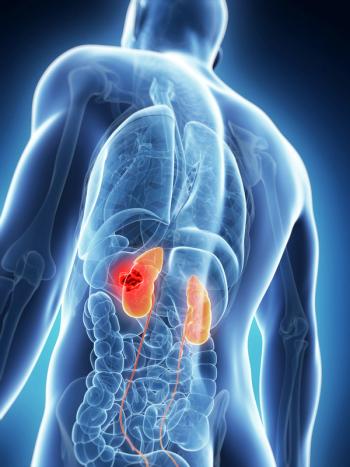
Fruquintinib plus sintilimab improved PFS, ORR, and DOR compared with axitinib or everolimus monotherapy in RCC in the phase 2/3 FRUSICA-2 trial.
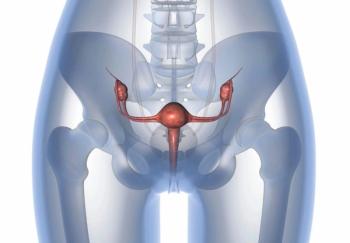
Factors such as language spoken, social vulnerability index characteristics, and insurance type were found to alter endometrial cancer diagnoses and led to worse outcomes.

Data from the phase 3 KEYNOTE-811 trial supported the FDA approval of this pembrolizumab combination in locally advanced unresectable or metastatic, PD-L1–positive, HER2-positive gastric or GEJ adenocarcinoma.

Future research may explore predictors of interval debulking surgery success and the scope of required surgery in advanced ovarian cancer.

Certain subpopulations experienced significantly poorer outcomes in 2020, highlighting concerns regarding access to care.
Final OS analysis data from the OPTIMISMM trial support sequencing a pomalidomide-based regimen after lenalidomide failure in relapsed/refractory myeloma.

“You have to come up with a novel twist in order to make an impactful study or get your own unique data set…” James B. Yu, MD, MHS, FASTRO, said in regard to creating interesting research.

Advances in perioperative targeted therapies may enable organ preservation and significantly enhance outcomes for patients with gastric cancers.

Results from the NIRVANA-R trial found niraparib/bevacizumab maintenance yielded positive activity in pretreated ovarian cancer.

Patients who had recurrence in the radiation field experienced similar responses vs those with recurrence outside the radiation field.
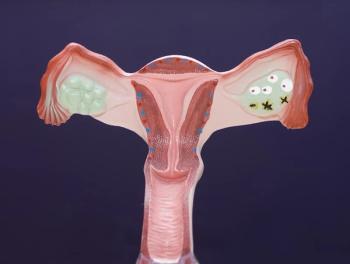
Socioeconomic or racial disparities may contribute to unchanged overall survival among certain patients with metastatic uterine cancer.

Despite all groups completing chemoradiation within 56 days, delays contributed to a nonsignificant difference in length between Black vs White patients.
A lot of James B. Yu’s research begins with something as simple as a question from a patient regarding what aspects of treatment may be most beneficial.

The combination regimen was well tolerated in JAK inhibitor-naïve myelofibrosis, with instances of thrombocytopenia managed with dose modifications.

A phase 2 trial found that pembrolizumab plus lenvatinib elicited an overall response rate of 37.5% that consisted entirely of partial responses in high-grade serous PROC.
Data show deep responses with rinatabart sesutecan among patients regardless of folate receptor alpha expression level in a phase 1/2 study.

The adverse effect profile of abemaciclib plus hormonal therapy was comparable with prior reports of CDK4/6 inhibitors.

Phase 3 data support ramucirumab/paclitaxel switch maintenance as a post-induction therapy for patients who are not eligible for immunotherapy.

The median PFS in patients with pMMR TP53 wild-type endometrial cancer was 39.5 months with selinexor and 4.9 months with placebo.

Overall survival outcomes were enhanced with Orca-T vs allogeneic hematopoietic stem cell transplantation in patients with hematologic malignancies.
In radiation oncology, renal cancers are experiencing the greatest levels of change and growth, according to James B. Yu.

Low grade serous ovarian cancer, a rare epithelial ovarian cancer subtype, requires differentiated treatment from its high-grade counterpart.