
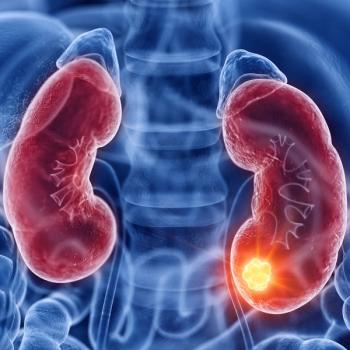
A prospective trial established that 97% of patients were successfully discharged on the same day as receiving robotic partial nephrectomy.
A prospective trial established that 97% of patients were successfully discharged on the same day as receiving robotic partial nephrectomy.
!["[These] data provide framework to assist in patient counseling and optimizing selection," according to the study authors.](https://cdn.sanity.io/images/0vv8moc6/cancernetwork/afc4e7af61f986692735b0d673f3933a45f75fc2-2249x2250.png?w=350&fit=crop&auto=format)
Findings may establish a framework for assisting patient counselling and optimizing therapy selection for those undergoing radical cystectomy.
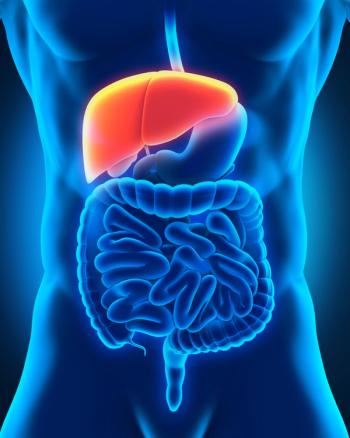
Ten-fraction image-guided hypofractionated radiation therapy could be a feasible treatment option for portal vein tumor thrombosis in patients with HCC.

A phase 2 study found a complete clinical response of 82% with neoadjuvant dostarlimab in dMMR solid tumors.
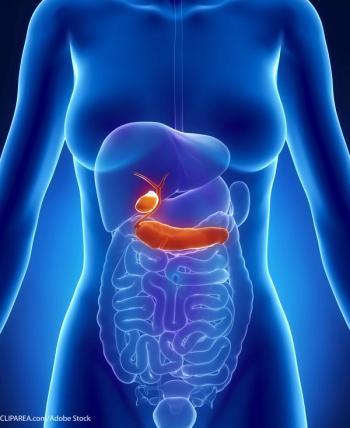
The recommendation from the CHMP is based on results from the phase 2b HERIZON-BTC-01 trial of zanidatamab in advanced HER2+ biliary tract cancer.
![“[O]ur findings show that large-scale lung cancer screening is both feasible and effective, and provide a framework for successful delivery of a population-based national program,” according to the study authors.](https://cdn.sanity.io/images/0vv8moc6/cancernetwork/555f5be80532573a6654f0b562c43e11aedf99df-1200x857.jpg?w=350&fit=crop&auto=format)
Study data show a small number of individuals with a lung cancer diagnosis within 12 months of a negative baseline screening result.

The combination of nurulimab plus prolgolimab enhanced PFS, ORR, and DCR compared with prolgolimab monotherapy in unresectable or metastatic melanoma.

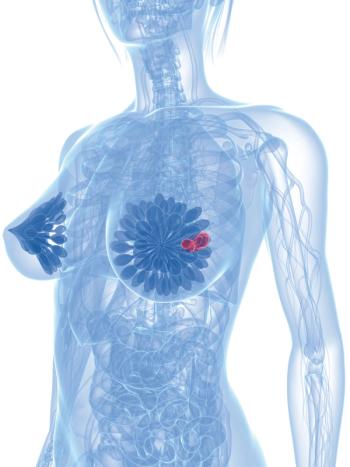
No grade 3/4 treatment-related adverse effects were observed in patients receiving efbemalenograstim alfa for breast cancer in the Guard-02 trial.

BMI, serum albumin, and G8 screening tool scores were all factors correlated with the likelihood of experiencing a grade 3 or higher AE.

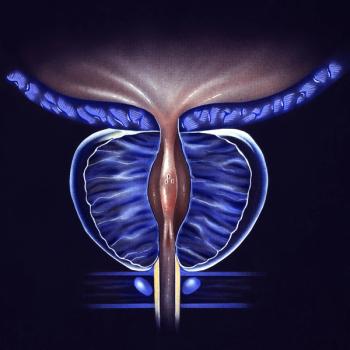
Toxicity complications were assessed between single- and multiple-treatment modalities for patients with localized prostate cancer.
![“These findings highlight the critical need to address PEM in the management of [patients with multiple myeloma] with ACHF to mitigate the associated poor clinical outcomes,” according to the study authors.](https://cdn.sanity.io/images/0vv8moc6/cancernetwork/4de1e119837b011168a7884a19a600b14bb6a258-3600x2400.jpg?w=350&fit=crop&auto=format)
Findings indicate a need to address protein-energy malnutrition in the treatment of those who have multiple myeloma with acute congestive heart failure.

According to comparative single-cell transcriptome analyses, NOTCH1 deficiency facilitated a more immunologically active microenvironment in ESCC tumors.

A dedicated, well-trained, and expert staff at the Ivy Brain Tumor Center enables the facility to be at the forefront of cutting-edge radiosurgery treatment.
Findings from clinical trials conducted in recent years demonstrate the benefit of integrative oncology for patients undergoing treatment for cancer.
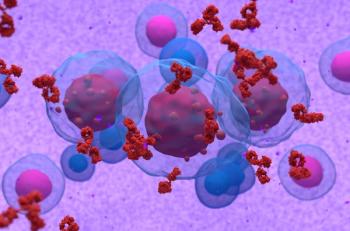
Treatment with daratumumab-based combination therapies may drive minimal residual disease conversion rates in patients with newly diagnosed multiple myeloma.
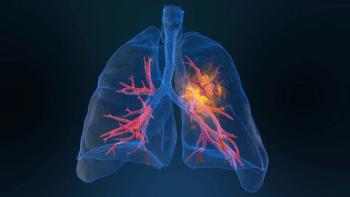
Patients with ES-SCLC who received immunotherapy plus chemotherapy experienced a median OS of 14.9 months vs 11.9 months with chemotherapy alone.
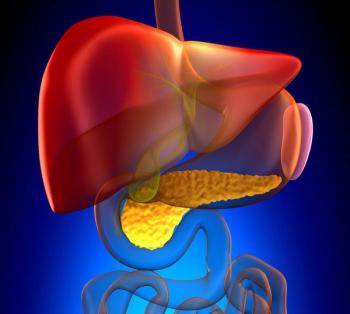
SBRT demonstrated positive 3-year outcomes as a treatment in patients with early-stage HCC based on results from the phase 2 STRSPH trial.

Multidisciplinary care can help ensure that treatment planning does not deviate from established guidelines for inflammatory breast cancer management.
“Food is powerful, and [patients] need fuel,” said Claudia Aguilar Clancy, RN, FNP-C, about ensuring patients receive the nutrition they require during cancer treatment.
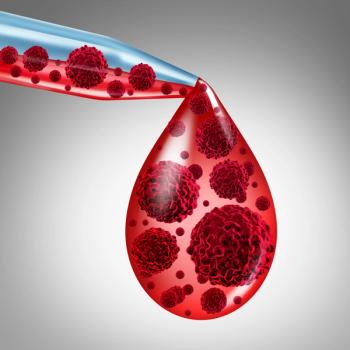
Univariate and multivariate analyses showed no significant association between statin use and grade 3 or higher toxicities in patients with CLL or SLL.

Results from the phase 3 HD21 trial showed that brentuximab vedotin plus chemotherapy was superior to alternative treatments in Hodgkin lymphoma.

Final analysis data from the phase 3 ALCYONE trial support using frontline daratumumab-containing regimens for those with transplant-ineligible NDMM.
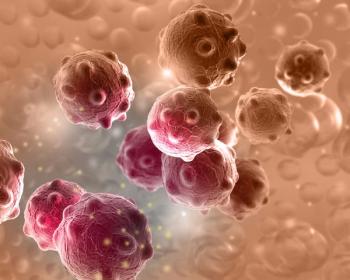
Based on FDA feedback, the developers plan to discontinue the phase 3 EQUATOR study, which evaluated itolizumab in acute graft-versus-host disease.
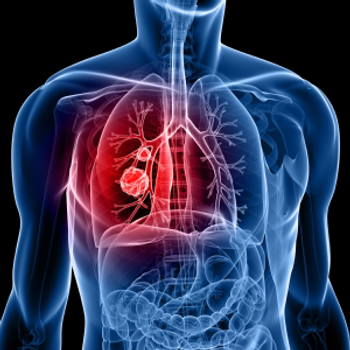
Findings from the phase 1/2 LUPER trial support further assessment of lurbinectedin plus pembrolizumab in relapsed small cell lung cancer.
Suzanne Mahon, DNS, RN, AOCN, AGN-BC, FAAN, stated that it is important to consider a patient’s family medical history when considering genetic counseling.