

Although not hitting its primary end point, a phase 2 trial showed that SBRT plus concurrent radiotherapy improved on results elicited in other trials.
Although not hitting its primary end point, a phase 2 trial showed that SBRT plus concurrent radiotherapy improved on results elicited in other trials.
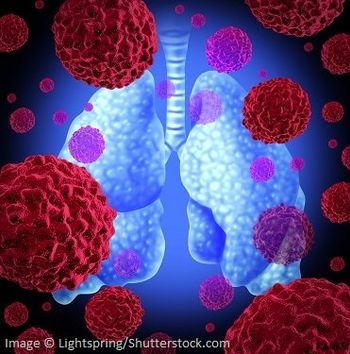
The decision is supported by results from the phase 2 TRUST-1 trial, which evaluated the safety and efficacy of taletrectinib in ROS1-positive NSCLC.

Atezolizumab combination therapy elicited better responses in patients with PD-L1 expression of 1% or more with EGFR-mutant NSCLC.
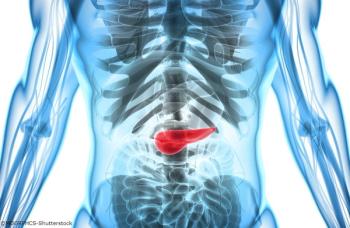
Gemcitabine plus capecitabine was found to elicit longer survival outcomes than capecitabine alone in patients with pancreatic adenocarcinoma.

A study of patients who received the KEYNOTE-522 regimen showed an improved pathologic complete response in real-world data vs what study data showed.
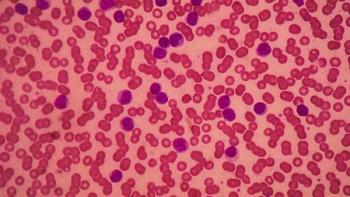
At a median follow-up of 61.2 months, zanabrutinib demonstrated superior PFS vs bendamustine and rituximab in patients with CLL and SLL.
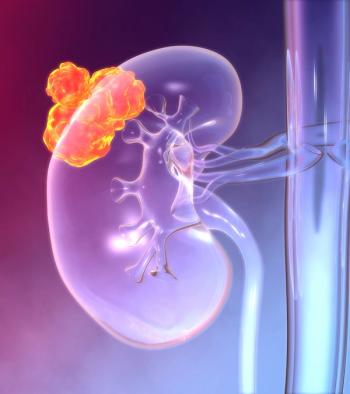
TLX250-CDx elicited a mean sensitivity of 85.5% and a mean specificity of 87.0% in patients with indeterminate renal masses in the phase 3 ZIRCON trial.
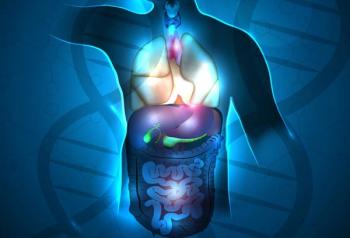
Treatment with satricabtagene autoleucel met the primary end point of progression-free survival in the phase 2 CT041-ST-01 trial.

A pooled analysis of 2 trials show that psilocybin-assisted psychotherapy may provide mental health benefits for patients with cancer.

Feedback from the European Medicines Agency following results of the phase 3 TROPION-Lung01 informed the marketing authorization application withdrawal.

Developers have requested priority review status for dordaviprone as a treatment for patients with recurrent H3 K27M-mutated glioma.

Avutometinib/defactinib was granted priority review by the FDA in the treatment of patients with recurrent, KRAS-mutant low-grade serous ovarian cancer.

The SU2C-SARC032 study evaluating pembrolizumab plus radiotherapy and surgery found the regimen was well tolerated with infrequent surgical complications.
A Satellite Sessions event that took place at Fred Hutchinson Cancer Center and discussed treatments surrounding LCL and CLL.

Updated efficacy findings from the phase 3 CheckMate-8HW trial also showed fewer grade 3/4 adverse events with nivolumab/ipilimumab vs chemotherapy.
Brad S. Kahl, MD, and Tycel Phillips, MD, discussed the use of acalabrutinib plus bendamustine and rituximab for patients with untreated MCL.
An unusual patient case was presented during a Frontline Forum where experts worked through how to appropriately treat a patient who was having consistent fevers and pain.
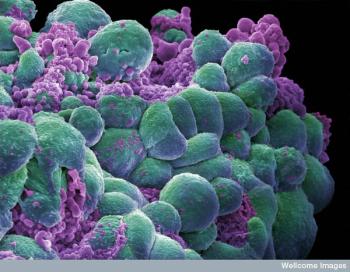
A phase 1/2 study showed that treatment with cyclophosphamide, SV-BR-1-GM, and retifanlimab yields favorable survival data in heavily pretreated patients with breast cancer.

Broader margins used in lumpectomies can lead to a reduced radiation target area in patients with breast cancer, according to results from a study presented at the 2024 SABCS.
Anito-cel produced no delayed or non–immune effector cell–associated neurotoxicity syndrome among patients with multiple myeloma.
During the 2024 IMS Annual Meeting, colleagues gathered to discuss the latest advancements in multiple myeloma.
Oncologists discuss data from the NETTER-1 and NETTER-2 trials and the extent to which they support the applicability of 177Lu-dotatate in NETs.

In a From All Angles program, a patient and her treating physician spoke about the initial diagnosis, care coordination, communication, and the adverse effects observed.
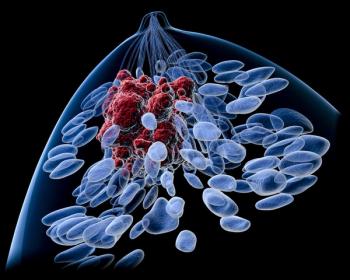
Ivonescimab with chemotherapy elicited a median progression-free survival of 9.36 months in patients with locally advanced unresectable or metastatic triple-negative breast cancer.

Phase 1b/2 data show antitumor activity with zanidatamab/evorpacept, including among heavily pretreated patients with HER2-low metastatic breast cancer.
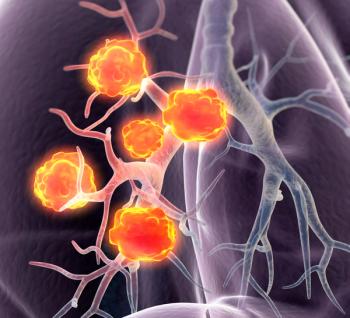
Joshua K. Sabari, MD, and Sandip P. Patel, MD, discussed long-term findings from the phase 3 MARIPOSA trial.

The SU2C-SARC032 study evaluating pembrolizumab plus radiotherapy and surgery found the regimen was well tolerated with infrequent surgical complications.

The Oncology Brothers spoke with Benjamin P. Levy, MD, regarding treatment updates for patients with NSCLC with HER2 expression.
Data from CheckMate-67T support the approval of subcutaneous nivolumab in patients with solid tumors across all previously approved nivolumab indications.
During the 2024 IMS conference, teams from Cleveland, Ohio, and New York, New York, met to debate the latest advances in multiple myeloma.