

Personalized therapy for non–small cell lung cancer has evolved significantly with the advent of comprehensive molecular testing.
Personalized therapy for non–small cell lung cancer has evolved significantly with the advent of comprehensive molecular testing.

Differences in pancreatic cancer responses to treatment elicits a need to better educate patients on expectations in treatment, particularly chemotherapy.

Stereotactic body radiotherapy showed noninferior biochemical or clinical failure compared with standard radiotherapy in select patients with prostate cancer.
Increasing patient awareness of modifiable risk factors for pancreatic cancer may help mitigate incidence of pancreatic cancers.

Data from TROPION-Lung05, TROPION-Lung01, and TROPION-PanTumor01 support the new BLA for dato-DXd in advanced or metastatic EGFR-mutated NSCLC.

Given that well-differentiated grade 3 NETs are relatively new, standard-of-care treatment options are undefined.

Camizestrant showed better progression-free survival than fulvestrant across various subgroups of patients with advanced breast cancer.
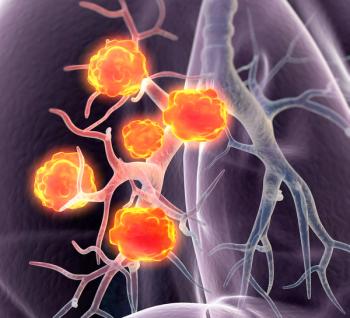
Treatment with THIO/cemiplimab was generally well-tolerated among patients with advanced NSCLC in the phase 2 THIO-101 study.

Patients with newly diagnosed glioblastoma had improved survival when treated with TTFields plus temozolomide and pembrolizumab.

Glycan editing of cell surface glycans with E-602 may represent a novel therapeutic approach among patients with cancer.

DLBCL is a genetically heterogeneous malignancy with multiple subtypes and recent investigations based on molecular profiles have opened the possibility for personalized therapy in this disease space.

Kelley A. Rone, DNP, RN, AGNP-c, provides perspective on approaching end-of-life conversations with patients with GI cancers.

Early results from the iMMagine-1 trial show anito-cel as a promising therapy in relapsed/refractory multiple myeloma.

Patients who start smoking cessation treatment after cancer diagnosis are found to have higher rates of survival.
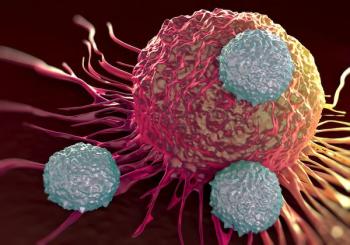
Phase 1 data support further assessment of DK210 (EGFR) in solid tumors such as renal cell carcinoma and non–small cell lung cancer.
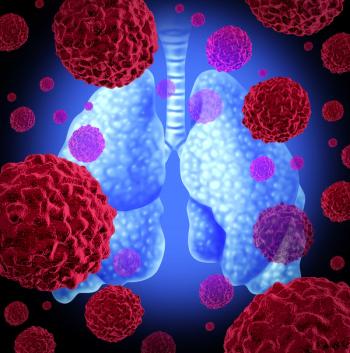
Detection of S15 and PD-L1 proteins in more than half of NSCLC samples support the potential to target both pathways during treatment.
Results from the FELIX trial support the approval of obecabtagene autoleucel in B-cell ALL.
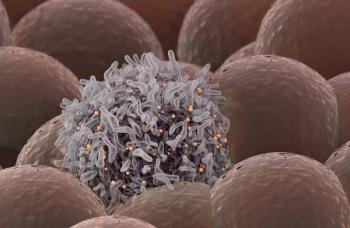
Phase 1 data highlight a manageable safety profile with IMA203 among patients with melanoma and other PRAME-positive solid tumors.

Updated OS findings from the PERLA trial showed continued success with dostarlimab plus chemotherapy in patients with advanced non–small cell lung cancer.

Data from the phase 3 AQUILA study support the applications for subcutaneous daratumumab in high-risk smoldering multiple myeloma.

This case highlights the importance of early recognition and management of pleural effusion in patients with multiple myeloma and underscores the need for further research into optimal management strategies and underlying mechanisms.

It may be crucial to test every patient for markers such as BRAF V600E mutations, NRG1 fusions, and KRAS G12C mutations to help manage pancreatic cancers.
Tanios S. Bekaii-Saab, MD, emphasizes the idea of moving targeted therapies to earlier lines of treatment to further improve outcomes in pancreatic cancer.

The developers of paxalisib will have a Type C meeting with the FDA to discuss its registration as treatment for newly diagnosed glioblastoma.
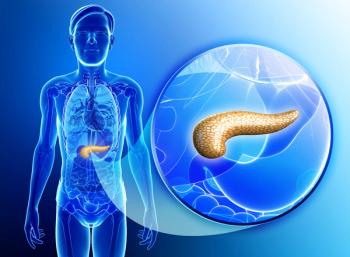
The 18-month overall survival rate with the mitazalimab combination in OPTIMIZE-1 exceeds a historical rate achieved with FOLFIRINOX alone.

CancerNetwork co-hosts Kristie L. Kahl and Andrew Svonavec talk to program co-chair Benjamin P. Levy, MD, to highlight what to expect in the latest oncology developments from the 42nd Annual Chemotherapy Foundation Symposium to be held in New York City.

The lifestyle medicine needs of cancer survivors seeking lifestyle consultation are growing, and awareness of the benefits of lifestyle medicine for this population can enhance the quality of life for patients who are survivors of cancer.
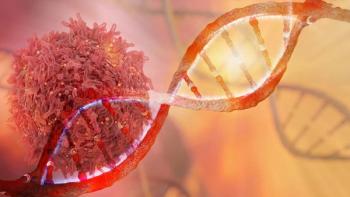
National Comprehensive Cancer Network updated 2 guideline resources to keep providers and other stakeholders up to date on cutting-edge genetic research.

Phase 2 data support a favorable risk/benefit profile with valemetostat in patients with relapsed/refractory peripheral T-cell lymphoma.

Julie M. Vose, MD, MBA, highlights the push toward gender diversity in medical oncology.