

A challenging patient population with advanced non–small cell lung cancer and resistance to common immunotherapeutics appeared to derive promising benefit from treatment with eftilagimod alpha plus pembrolizumab.

Your AI-Trained Oncology Knowledge Connection!
A challenging patient population with advanced non–small cell lung cancer and resistance to common immunotherapeutics appeared to derive promising benefit from treatment with eftilagimod alpha plus pembrolizumab.

The European Commission approved olaparib as monotherapy or in combination with endocrine therapy for patients with germline BRCA1/2-mutant, HER2-negative high-risk early breast cancer.

Patients with metastatic hormone-sensitive prostate cancer can now receive treatment with oral darolutamide plus docetaxel following its approval by the FDA.
Based on results from the phase 3 DESTINY-Breast04 trial, the FDA has approved fam-trastuzumab deruxtecan-nxki as an intravenous infusion for patients with unresectable or metastatic HER2-low breast cancer.

Acalabrutinib tablet formulation was approved by the FDA for patients with chronic lymphocytic leukemia/small lymphocytic leukemia and relapsed or refractory mantle cell lymphoma.

Supported by data from an ongoing phase 2 trial, the ROS1 inhibitor taletrectinib was granted breakthrough therapy designation for the treatment of certain patients with advanced or metastatic ROS1-positive non–small cell lung cancer.
Data from a substudy of the phase 3 VISION trial presented at 2022 ASCO Annual Meeting showed that higher standard mean uptake value by PSMA-PET is strongly associated with outcomes for patients with metastatic castration-resistant prostate cancer.
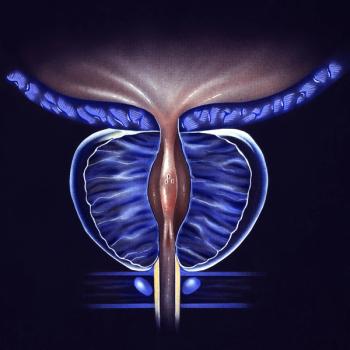
Results from the phase 3 KEYNOTE-921 trial showed the primary end points of overall survival and radiographic progression-free survival were not met despite a trend towards improvement following treatment with pembrolizumab and docetaxel in patients with metastatic castration-resistant prostate cancer.
Nicholas Coupe, MBBS, PhD, discusses promising preliminary findings from a phase 1/2 study assessing the use of IMM60 in patients with advanced melanoma and non–small cell lung cancer.
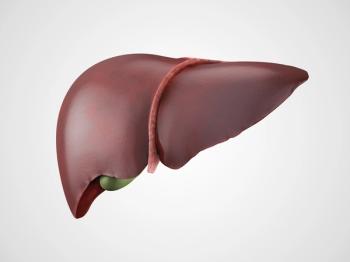
Although patients with unresectable hepatocellular carcinoma initially appeared to have survival benefit following treatment with pembrolizumab and lenvatinib vs lenvatinib alone, the findings did not meet statistical significance.
At 2022 ASCO, Roy S. Herbst, MD, PhD, spoke about the results of a Lung-MAP substudy showing benefit of ramucirumab plus pembrolizumab vs standard of care chemotherapy for patients with advanced non–small cell lung cancer who demonstrated resistance to prior immunotherapy.

Findings from the planned futility interim analysis of the phase 3 INTERLINK-1 trial has led to the study’s termination after monalizumab and cetuximab did not meet efficacy end points in recurrent or metastatic squamous cell carcinoma in the head and neck.
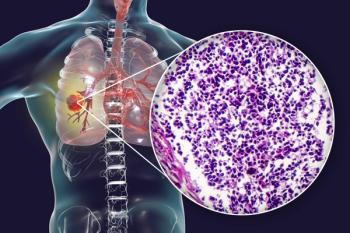
Results from the phase 3 IMscin001 trial indicated that atezolizumab given subcutaneously vs intravenously yielded non-inferior pharmacokinetics for patients with immunotherapy-naïve locally advanced or metastatic non–small cell lung cancer.

Development on CYAD-101 as a treatment for patients with refractory/metastatic colorectal cancer continues after the FDA has lifted a clinical hold on the phase 1b CYAD-101-002 trial.
At 2022 ASCO, Tanios S. Bekaii-Saab, MD, reviews the MOUNTAINEER trial of trastuzumab plus tucatinib for HER2-positive metastatic colorectal cancer and foreshadows how an approved regimen may help improve outcomes in this patient population.
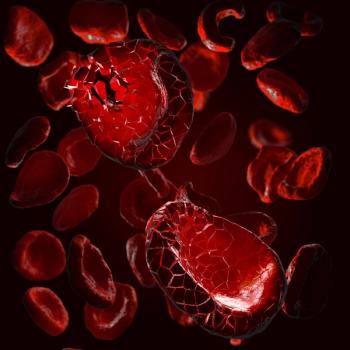
Based on results from a phase 3 trial, the FDA has accepted a biologics license application for and granted priority review to omidubicel for those with hematologic malignancies who require allogenic hematopoietic stem cell transplant.

Patients with stage III non–small cell lung cancer and baseline grade 1 radiation pneumonitis post-chemotherapy could benefit from treatment with durvalumab.

Treatment with adjuvant radiotherapy in the prone position lowered the odds of desquamation in patients with breast cancer and large breast size.
Kim A. Reiss Binder, MD, spoke about the phase 1 CARISMA trial which investigated CAR macrophages in HER2-overexpressing solid tumors.
Ian D. Davis, MBBS, PhD, spoke about updated survival results of the ENZAMET trial which analyzed enzalutamide in metastatic hormone-sensitive prostate cancer.
Results from a phase 2 study indicated that adding elotuzumab to carfilzomib, lenalidomide, and dexamethasone with a minimal residual disease–adapted design boosted responses for those with newly diagnosed multiple myeloma.

Investigators reported that vaccinated patients had a higher rate of grade 2/3 cervical neoplasia due to non–vaccine preventable human papillomavirus compared with unvaccinated patients, an event commonly termed clinical unmasking.

Treatment with radiotherapy for head and neck cancer resulted in taste dysfunction during treatment and 3 months thereafter, although reduction in oral cavity intensity-modulated radiotherapy dose may result in early taste function recovery.
Saad Z. Usmani, MD, MBA, FACP, spoke about key takeaways from the phase 1/2 SWOG 1211 trial and top research presented at ASCO 2022 in multiple myeloma.

Results from a phase 1b/2 trial indicated that niraparib plus nivolumab yielded superior progression-free survival at 6 months vs niraparib and ipilimumab for patients with platinum-sensitive advanced pancreatic cancer.
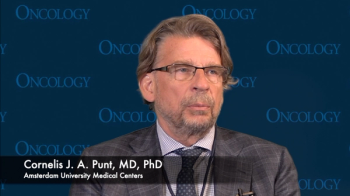
Cornelis J. A. Punt, MD, PhD, spoke about the phase 3 CAIRO5 trial of bevacizumab plus either FOLFOXIRI or FOLFOX/FOLFIRI for patients with initially unresectable colorectal liver metastases.
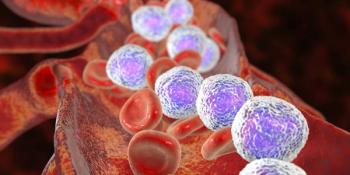
Patients with relapsed/refractory B-cell malignancies who received zandelisib at 60 mg via an intermittent dosing schedule experienced a low incidence of grade 3 or higher adverse effects.
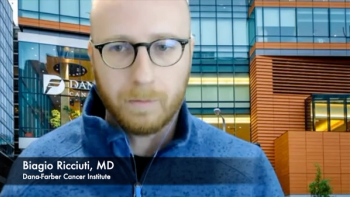
Biagio Ricciuti, MD, spoke about future analyses and major takeaways of a study analyzing outcomes with frontline immunotherapy based on PD-L1 expression in patients with non–small cell lung cancer.
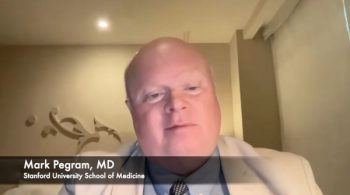
Mark Pegram, MD, spoke the most important data from the IDEAL trial he believes his colleagues should take away.
Elotuzumab, lenalidomide, high-dose melphalan, as well as umbilical cord blood–derived natural killer cells and autologous stem cell transplant demonstrated tolerability and improved transplant outcomes for high-risk multiple myeloma.