

Assessing adverse effects with a toxicity index and patient-reported outcomes at baseline and treatment-emergent toxicities revealed insights into why postmenopausal patients with ductal carcinoma in situ discontinued endocrine therapy.
Assessing adverse effects with a toxicity index and patient-reported outcomes at baseline and treatment-emergent toxicities revealed insights into why postmenopausal patients with ductal carcinoma in situ discontinued endocrine therapy.

Research presented at the 2022 Multidisciplinary Head and Neck Cancers Symposium highlighted the potential to detect oropharyngeal cancer recurrence using circulating tumor tissue modified viral–human papillomavirus DNA.

A presentation from the 2022 ASTRO Multidisciplinary Head and Neck Cancers Symposium showed a de-escalated radiotherapy dose to 54 Gy vs 70 Gy led to better measures of toxicity in those with p16+ oropharyngeal squamous cell carcinoma.

In a pre-planned pooled analysis of data from the MC1273 and MC1675 trials presented at the 2022 ASTRO Multidisciplinary Head and Neck Cancers Symposium, de-escalated adjuvant radiation therapy met criteria for efficacy in human papillomavirus–related oropharyngeal squamous cell carcinoma.
Eleni Efstathiou, MD, PhD, spoke about the positive results seen in the phase 3 MAGNITUDE trial in patients with metastatic castration-resistant prostate cancer harboring homologous recombination repair gene alterations who were treated with a niraparib-containing regimen.

Following 2022 ASCO GU, Daniel P. Petrylak, MD; Benjamin H. Lowentritt, MD; Alan H. Bryce, MD; and Tanya Dorff, MD, engage in a rapid-fire question-and-answer 2-Minute Drill program, hosted by CancerNetwork®. Topics include most surprising new data, what needs follow-up, and shameless plug.

Women undergoing treatment with immunotherapy, targeted therapy, or chemotherapy in cancer clinical trials were at a significantly increased risk of severe adverse effects compared with men.

A health-related quality of life assessment found an association between worsened self-reported fatigue, cognitive function, and physical function, with enzalutamide treatment for patients with metastatic, hormone-sensitive prostate cancer but improved deterioration-free survival for overall health and quality of life.

Patients with advanced endometrial cancer derived a more notable survival benefit after being treated with lenvatinib and pembrolizumab compared with chemotherapy alone.

Axel Merseburger, MD, PhD, spoke key results of the PRESIDE trial, which examined continuous enzalutamide to treat patients with metastatic castration-resistant prostate cancer and progressive disease.

Findings from a systematic review that evaluated bevacizumab, trastuzumab, and rituximab vs respective biosimilars highlighted little difference in outcomes between treatment options.

Patients with metastatic renal cell carcinoma and a performance status of 2 or more experienced promising clinical activity from treatment with nivolumab/ipilimumab and pembrolizumab/axitinib.

Findings indicate that patients with advanced or metastatic radioactive iodine–refractory differentiated thyroid cancer who received apatinib experienced a prolonged survival benefit vs placebo.

The TERAVOLT study identified 7 factors associated with increased mortality risk for patients with thoracic malignancies who have contracted COVID-19.

The final analysis of the phase 3 IMmotion151 trial did not reveal a significant improvement in overall survival with atezolizumab plus bevacizumab over sunitinib for previously untreated patients with metastatic renal cell carcinoma.

The CheckMate 648 trial found that using a combination of nivolumab and chemotherapy or nivolumab plus ipilimumab vs chemotherapy alone improved survival in advanced esophageal squamous-cell carcinoma.

OQ011, a topical ointment for hand-foot skin reaction-related pain, yielded positive safety and efficacy in part 1 of 2 phase 2 NOVA-II trial.
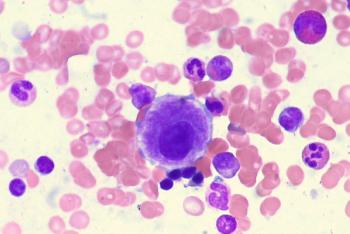
Patients who underwent allogeneic hematopoietic cell transplantation using younger matched unrelated donors had a better disease-free survival compared who those who used older matched sibling donors.

Patients with HER2-low metastatic breast cancer achieved clinically meaningful improvement in progression-free survival following treatment with fam-trastuzumab deruxtecan-nxki.

The recommended dose of ceritinib once daily with food demonstrated promising preliminary clinical activity in patients with ALK-positive relapsed/recurrent inflammatory myofibroblastic tumors and anaplastic large cell lymphoma, and certain subsets of relapsed/refractory neuroblastoma.
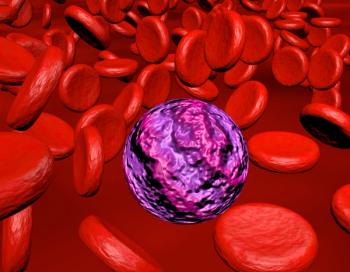
The FDA has granted IO-202, a LILRB4 checkpoint inhibitor, fast track designation for the treatment of relapsed or refractory acute myeloid leukemia.

The FDA designated the FoundationOne CDx assay as a companion diagnostic for identifying tumors that are microsatellite instability–high and may benefit from pembrolizumab.

A new drug application has been accepted by the FDA for poziotinib in patients with advanced or metastatic non–small cell lung cancer with HER2 exon 20 insertion mutations.

Efficacy of adjuvant mitotane for patients with adrenocortical carcinoma following surgery was presented at 2022 ASCO GU.
Data from a phase 2 trial of atezolizumab with or without radiotherapy showed some antitumor activity in advanced squamous cell carcinoma of the penis, despite failing to meet the primary end point of progression-free survival.
Updated data from the KEYNOTE-564 trial that were reported at 2022 ASCO GU show continuous disease-free survival advantage with pembrolizumab vs placebo as adjuvant therapy for renal cell carcinoma.
Data from the NeoAvAx trial presented at 2022 ASCO GU show potential for neoadjuvant avelumab plus axitinib for high-risk, non-metastatic clear-cell renal cell carcinoma.
Retrospective trial results inform utility of tivozanib in the real-world treatment of renal cell carcinoma.

Better health-related quality of life outcomes were associated with nivolumab and cabozantinib for advanced renal cell carcinoma vs sunitinib.

A surrogate for toxicity and drug exposure, cabozantinib dose reductions were tied to longer durations of time to treatment failure and overall survival for patients with metastatic renal cell carcinoma.