
Publication|Articles|June 10, 2026
Miami Breast Cancer Conference® Abstracts Supplement
- 43rd Annual Miami Breast Cancer Conference® - Abstracts
- Volume 40
- Issue 4
- Pages: 81
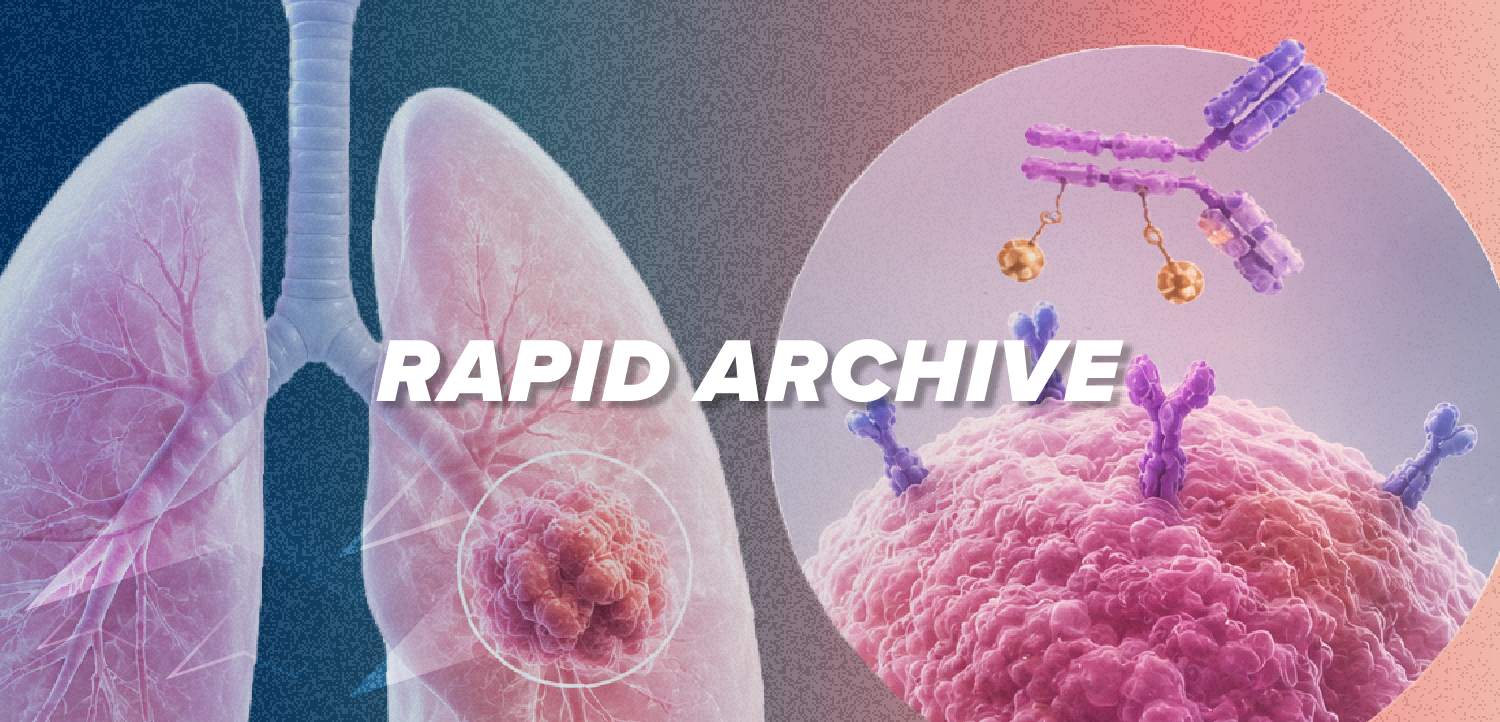
76 Real-World Safety of Trastuzumab Deruxtecan in HER2-Low Metastatic Breast Cancer: Insights From US Community Oncology Practices
In a real-world cohort of 300 patients with HER2-low metastatic breast cancer, T-DXd demonstrated a safety profile consistent with DESTINY-Breast04 in community oncology settings, with ILD/pneumonitis in 10% and toxicity-related discontinuation in 15%.
Advertisement
Background
Trastuzumab deruxtecan (T-DXd) was approved in 2022 for HER2-low metastatic breast cancer after prior chemotherapy, with a 2025 label expansion for HR-positive (HR+), HER2-low/ultralow disease following endocrine therapy. Despite rapid uptake, real-world data on safety and treatment-related toxicities remain limited. This study evaluates T-DXd use and tolerability in US community oncology settings.
Methods
This retrospective study used structured and curated electronic medical records from ONCare Alliance, a national network of 31 US community oncology practices. Eligible patients had metastatic breast cancer, initiated T-DXd as metastatic therapy at any point, and had documented HER2-low status. Medical events of interest (MEOIs) of all grades during and up to 30 days following T-DXd were summarized overall.
Results
T-DXd was started among 300 patients (77.0% HR+; 23.0% HR-negative [HR–]) from 2021 to 2025, with most initiating in 2022 (n = 98) or 2023 (n = 176). Baseline characteristics were similar by HR status; median age was 65 years and 79.7% were White. One-fourth (24.7%, n = 74) were de novo metastatic, and 22.7% (n = 68) had ECOG 2 or more at T-DXd start. Comorbid disease burden was modest (≥ 1 condition: 39.3%, n = 118). Most patients (80.7%, n = 242) received T-DXd in the third line or beyond. The most common MEOIs were fatigue, reported in 79.3% of patients, nausea/vomiting in 73.0%, diarrhea in 45.0%, and anemia in 29.7%. Serious MEOIs (Table) occurred in 5% or less and included congestive heart failure (n = 4, 1.3%), febrile neutropenia (n = 5, 1.7%), infusion reactions (n = 1, 0.3%), and reduced ejection fraction (n = 15, 5%). Interstitial lung disease/pneumonitis was reported in 10.0% (n = 30) of patients. Among those with interstitial lung disease/pneumonitis, 80.0% (n = 24) received corticosteroids, 56.7% (n = 17) received hold/delay, and 66.7% (n = 20) discontinued T-DXd. Toxicity-related discontinuation overall occurred in 15.0% (n = 45), including for fatigue (n = 5, 2.1%), reduced ejection fraction (n = 5, 33.3%), anemia (n = 4, 4.5%), diarrhea (3, 2.2%), and nausea/vomiting (n = 3, 1.4%).
Conclusions
In this real-world cohort, rates of T-DXd discontinuation due to toxicity were consistent with those observed in DESTINY-Breast04. Despite higher disease burden among community oncology patients (eg, older, fewer HR+, higher ECOG, more heavily pretreated), the safety profile of T-DXd remained aligned with clinical trial data, supporting its use and tolerability in US community oncology settings.
Articles in this issue
Advertisement
Related Content
Advertisement


Latest CME













































Advertisement
Advertisement
Trending on CancerNetwork
1
Debating CAR T-Cell Therapy Vs Bispecifics at First Relapse in Myeloma
2
Perioperative Durvalumab Combo Boosts Survival in Resectable Gastric Cancer
3
Which Lung Cancer Presentations Will Move the Needle at WCLC 2026?
4
Neoadjuvant Atezolizumab Does Not Significantly Improve EFS in Early TNBC
5