
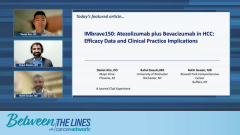
Opinion|Videos|September 23, 2024
Advanced HCC: Key Takeaways
Key opinion leaders summarize essential takeaways and highlight unmet needs in the hepatocellular carcinoma treatment landscape.
Advertisement
Episodes in this series
Video content above is prompted by the following:
- What are some key takeaways from this analysis?
- What are some clinical pearls you wish to offer your community colleagues who are considering treating their patients with atezo + bev? (EGD consideration, etc)
- What are some unmet needs in the treatment of advanced HCC?
Advertisement
Related to this article
In a phase 2 study, azacitidine plus ruxolitinib produced a 78% objective response rate in patients with chronic phase myelofibrosis.

Shankar Siva, MBBS, PhD, FRANZCR, discussed when to consider cytoreductive SABR in patients with metastatic kidney cancer responding to systemic therapy.
At The Liver Meeting 2026, Daniel Q. Huang, MBBS, PhD, explained why cirrhosis-based HCC surveillance misses many patients with MASLD and how to find them.
At The Liver Meeting 2026, Hashem B. El-Serag, MD, MPH, discussed when patients with MASLD and F3 fibrosis may merit HCC surveillance.

At The Liver Meeting 2026, Pierre Gholam, MD, explained why liver tumor board plans often break down at implementation and how navigators can help.
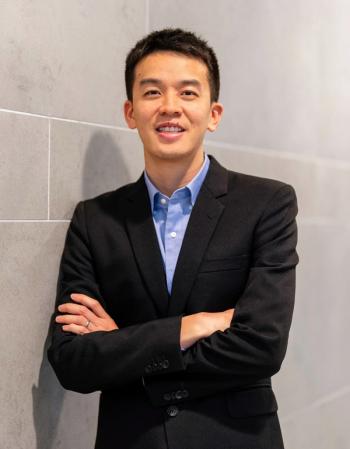
Surveillance guidelines limited to cirrhosis may miss up to a third of patients with MASLD-related HCC, according to Daniel Q. Huang, MBBS, PhD.
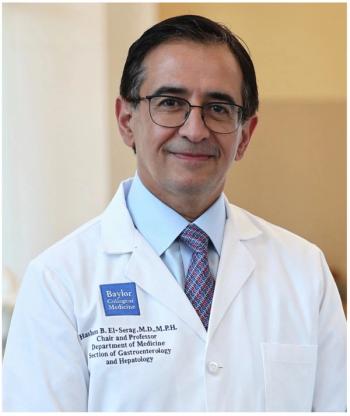
Hashem B. El-Serag, MD, MPH, discussed fibrosis-based HCC surveillance, ultrasound limits, chemoprevention, and alcohol screening for patients with MASLD.

At The Liver Meeting® 2026, Andrew Moon, MD, MPH, discussed research revealing gaps between clinician and patient priorities in HCC treatment choice.
Advertisement
Advertisement
Trending on CancerNetwork
1
Closing the HCC Surveillance Gap in MASLD Without Cirrhosis
2
Rethinking Surveillance and Multidisciplinary Care in MASLD-Related HCC
3
Weighing HCC Surveillance for Patients With MASLD and F3 Fibrosis
4
Building Systems to Catch Liver and Other Cancers in Patients With MASLD
5