

Opinion|Videos|October 8, 2026
Clinical Scenarios and Biomarker-Driven Treatment Selection in HR+/HER2− mBC
The panel applies the treatment framework to clinical scenarios involving patients with hormone receptor-positive, HER2-negative metastatic breast cancer (HR+/HER2− mBC) after progression on first-line CDK4/6 inhibitor plus endocrine therapy.
Advertisement
Episodes in this series
The panel applies the treatment framework to clinical scenarios involving patients with hormone receptor-positive, HER2-negative metastatic breast cancer (HR+/HER2− mBC) after progression on first-line CDK4/6 inhibitor plus endocrine therapy. Dr. Erica Mayer first considers a patient with no actionable ESR1 or PI3K pathway alteration, outlining options that include switching CDK4/6 inhibitors with fulvestrant, everolimus-based endocrine therapy, and gedatolisib-based treatment. She emphasizes that selection should incorporate prior CDK4/6 inhibitor sensitivity and tolerability, disease burden and pace, symptoms, quality-of-life priorities, and the practical burden of oral versus intravenous treatment. The case is then modified to include an ESR1 Y537S mutation, shifting the discussion toward novel endocrine therapies, with combination strategies generally preferred when available. Finally, a patient with a pathogenic PIK3CA H1047R mutation and no ESR1 alteration is considered, with capivasertib plus fulvestrant presented as a current option and gedatolisib-based therapy identified as an anticipated approach pending appropriate access. The segment concludes by reinforcing biomarker-driven treatment selection and multidisciplinary management in HR+/HER2− mBC.
Advertisement
Related to this article

Melody Rasouli, MD, MBA, FACOG, explained how random-start ovarian stimulation and rapid sperm banking fit fertility preservation into cancer care.

SurVaxM, a cancer vaccine, missed statistical significance for overall survival in patients with newly diagnosed glioblastoma in the SURVIVE trial.

Veronika Bachanova, MD, PhD, discussed how the favorable safety profile of CAR natural killer cell therapies may come with trade-offs in persistence and response durability.

“What we have here, I believe, is a strong signal that there is a population…who will benefit from chemotherapy,” said Mark D. Hurwitz, MD, FASTRO, FACRO.

Experts discuss data from the MonumenTAL-3 trial and the evolving roles of talquetamab and other bispecific antibodies in relapsed/refractory multiple myeloma.
Data from the phase 3 HER2CLIMB-05 study support the FDA approval of tucatinib-based maintenance treatment in HER2-positive metastatic breast cancer.
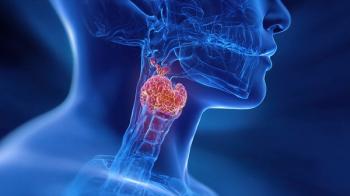
PRV111 eliminated planned surgery in 100% of evaluable patients with non-invasive oral cancer or high-grade dysplasia.
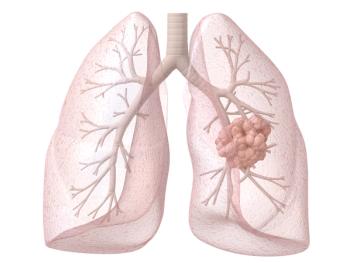
The final 3-year OS rate was 72.7% with OST-HER2 vs 45.8% in a combined historical control in a phase 2b trial of pulmonary metastatic osteosarcoma.
Advertisement
Advertisement
Trending on CancerNetwork
1
FDA Approves Tucatinib Combo as Maintenance in HER2+ Breast Cancer
2
Personalized Vaccines May Have Utility Across All Lung Cancer Stages
3
Novel Cancer Vaccine Plus Temozolomide Miss Primary End Point in Glioblastoma
4
Considering Talquetamab and Emerging Bispecifics in R/R Multiple Myeloma
5