

Opinion|Videos|October 8, 2026
Monitoring and Toxicity Management in HR+/HER2− mBC
The panel focuses on multidisciplinary monitoring and proactive toxicity management for patients with hormone receptor-positive, HER2-negative metastatic breast cancer (HR+/HER2− mBC), particularly as treatment moves into later-line targeted therapy.
Advertisement
Episodes in this series
The panel focuses on multidisciplinary monitoring and proactive toxicity management for patients with hormone receptor-positive, HER2-negative metastatic breast cancer (HR+/HER2− mBC), particularly as treatment moves into later-line targeted therapy. NP Kathryn Post discusses the value of more frequent in-person or virtual follow-up when initiating new regimens, allowing the care team to reinforce education, identify adverse events early, assess adherence, and reduce the burden of frequent clinic travel through telehealth and local laboratory testing. She also highlights the important role of caregivers as note takers, advocates, and additional observers who can provide insight into symptoms that may be underreported during clinic visits. Dr. Jennifer Hutchinson then reviews practical monitoring and supportive care considerations for PI3K pathway-directed therapy, including glucose monitoring and early consideration of antidiabetic therapy when clinically appropriate. For stomatitis, she emphasizes prophylactic dexamethasone mouthwash beginning on day 1, salt or baking soda rinses, good oral hygiene, and avoidance of alcohol-based mouthwash. Early recognition can allow treatment interruption or dose reduction when needed, supporting continued therapy and quality of life.
Advertisement
Related to this article

Melody Rasouli, MD, MBA, FACOG, explained how random-start ovarian stimulation and rapid sperm banking fit fertility preservation into cancer care.

SurVaxM, a cancer vaccine, missed statistical significance for overall survival in patients with newly diagnosed glioblastoma in the SURVIVE trial.

Veronika Bachanova, MD, PhD, discussed how the favorable safety profile of CAR natural killer cell therapies may come with trade-offs in persistence and response durability.

“What we have here, I believe, is a strong signal that there is a population…who will benefit from chemotherapy,” said Mark D. Hurwitz, MD, FASTRO, FACRO.

Experts discuss data from the MonumenTAL-3 trial and the evolving roles of talquetamab and other bispecific antibodies in relapsed/refractory multiple myeloma.
Data from the phase 3 HER2CLIMB-05 study support the FDA approval of tucatinib-based maintenance treatment in HER2-positive metastatic breast cancer.

PRV111 eliminated planned surgery in 100% of evaluable patients with non-invasive oral cancer or high-grade dysplasia.
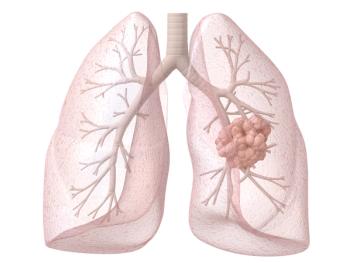
The final 3-year OS rate was 72.7% with OST-HER2 vs 45.8% in a combined historical control in a phase 2b trial of pulmonary metastatic osteosarcoma.
Advertisement
Advertisement
Trending on CancerNetwork
1
FDA Approves Tucatinib Combo as Maintenance in HER2+ Breast Cancer
2
Personalized Vaccines May Have Utility Across All Lung Cancer Stages
3
Novel Cancer Vaccine Plus Temozolomide Miss Primary End Point in Glioblastoma
4
Considering Talquetamab and Emerging Bispecifics in R/R Multiple Myeloma
5